From the Bookshelf
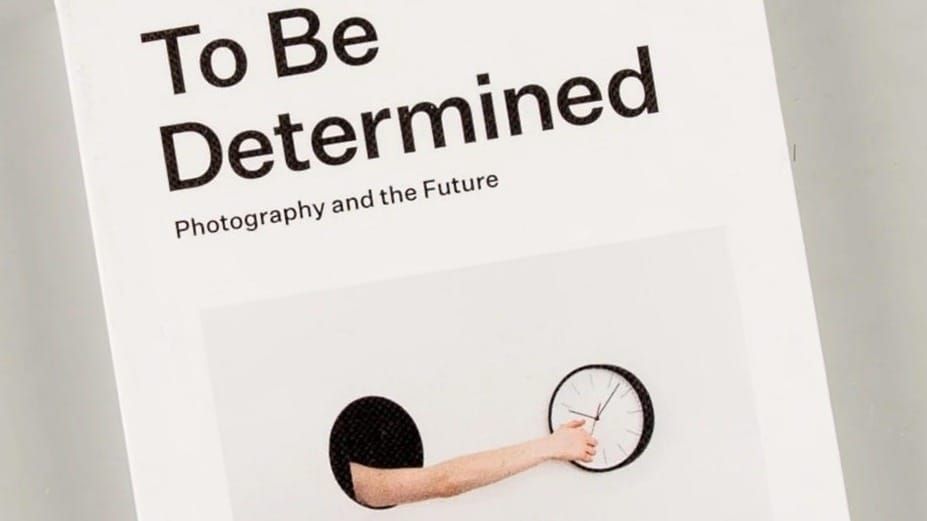
Duncan Wooldridge — Ton Be Determined

Somewhere in my house there is an X-ray of my head. It was taken on a Greek island in the early 1990s, after I fainted in a bar and cracked my skull on the tiles. I got up too quickly from a low chair. I’m quite tall. It was very hot. I’d only had one beer. The diagnosis was straightforward. Nothing broken, nothing missing, but getting to the health centre for a precautionary scan involved a journey to a neighbouring island. The day after the incident, I rode a small moped up a steep hill with my wife, then my girlfriend, sat on the back. The health centre was inland. I changed gear too dramatically, the moped reared up and she fell off. Two bodies losing their vertical relationship with the ground on consecutive days, one of them shortly to be photographed from the inside. I carried the image home in my luggage and kept it for thirty years. The image exists somewhere in a brown envelope, in a cupboard, doing whatever images do when nobody is looking at them. Changing. Fading. Becoming something else.
I went to see Nat Faulkner’s show Strong Water at Camden Art Centre recently, with an old friend. Before leaving I loaded my old Hasselblad with film. It’s a camera from the early 1960s, roughly my own age, which I hadn’t used for weeks. I made a couple of predictable mistakes. The shutter stuck briefly. I unjammed it but probably photographed the sky, out of focus. And at some point, I forgot I’d left out the dark slide with the shutter cocked. The camera took its opportunity. Somewhere on a roll of medium format film there is a photograph of a shop floor.
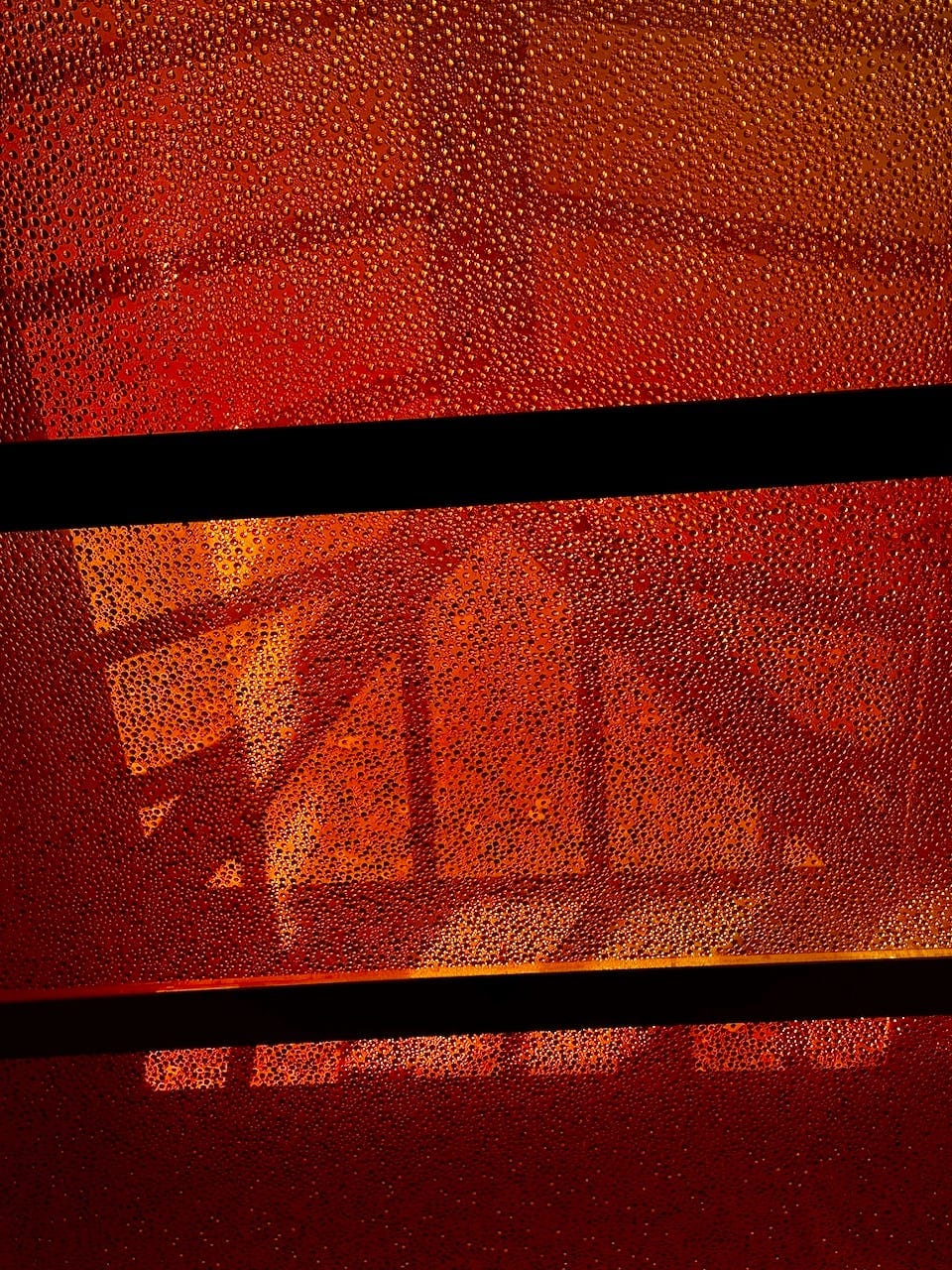
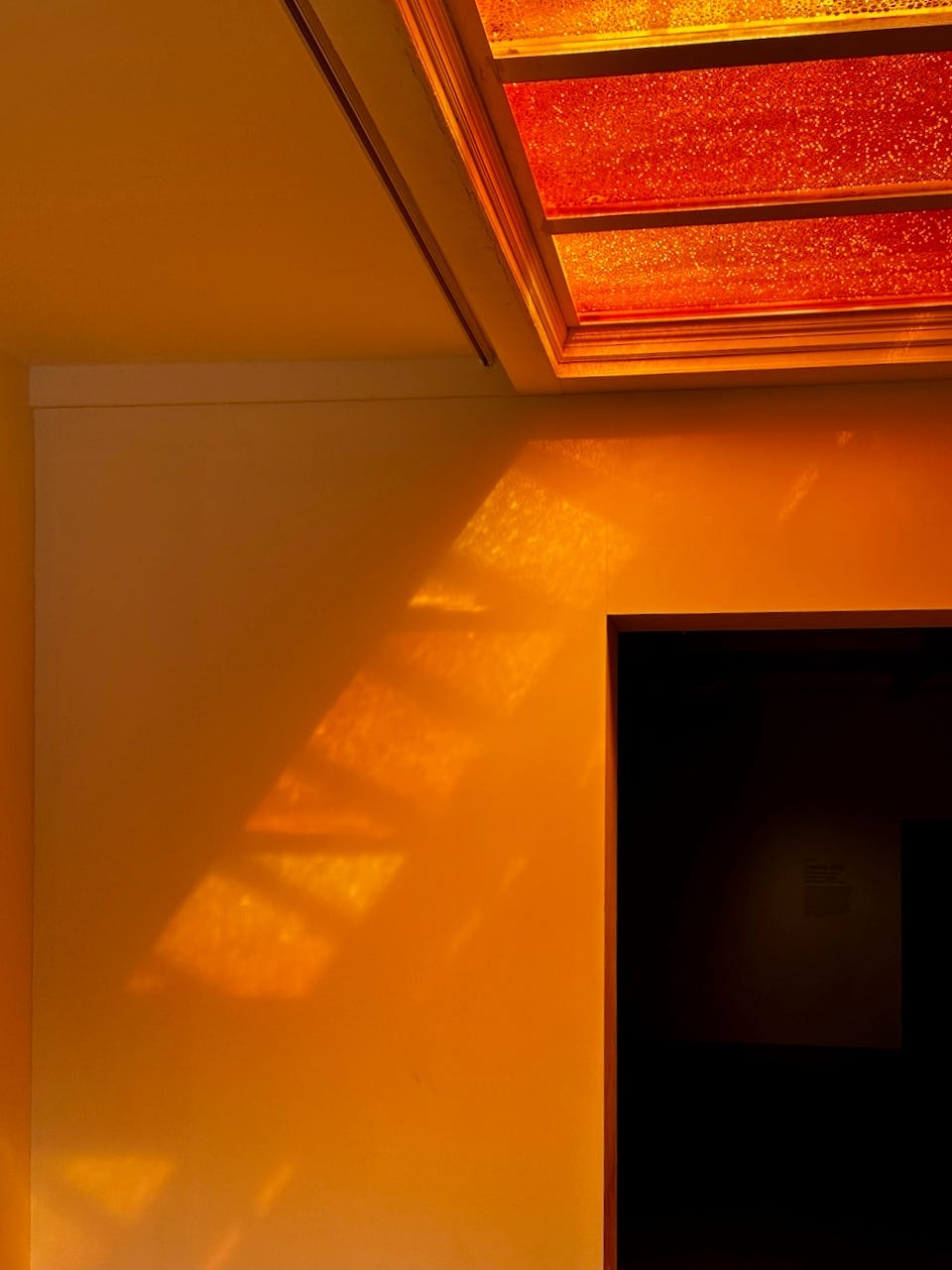
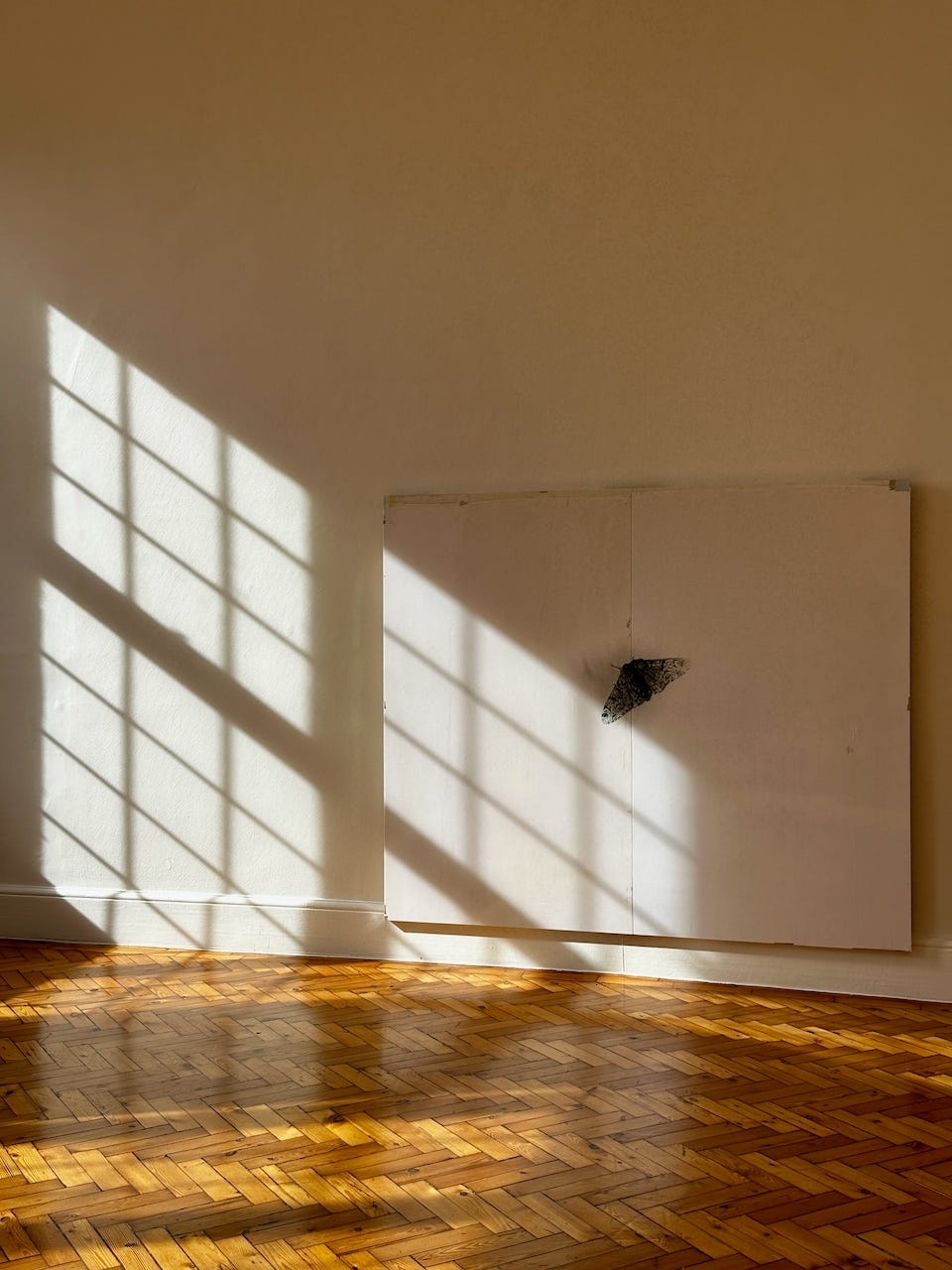
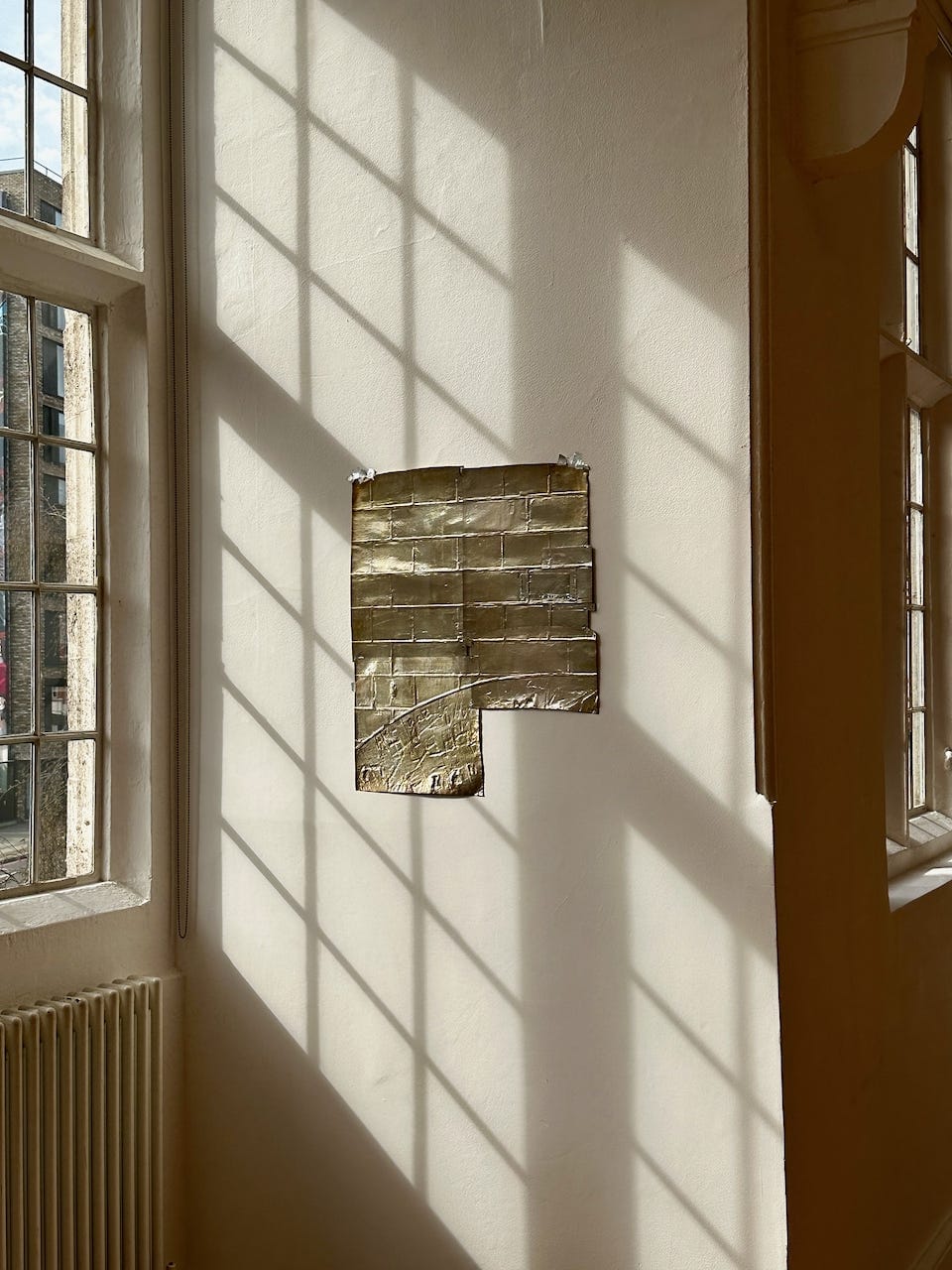
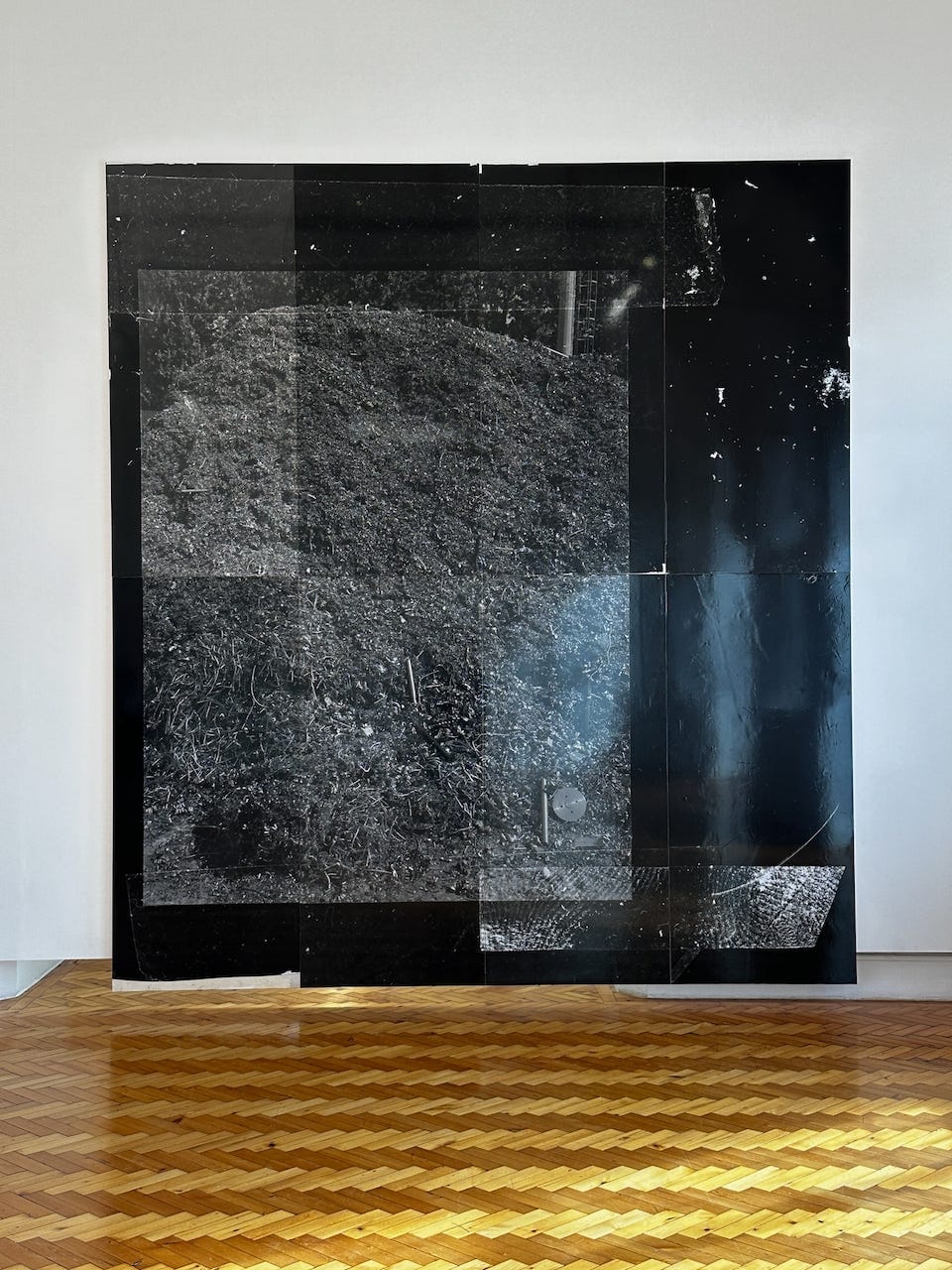
Jon Nicholls - Installation views of Nat Faulkner's 'Strong Water' at Camden Arts Centre, 2026
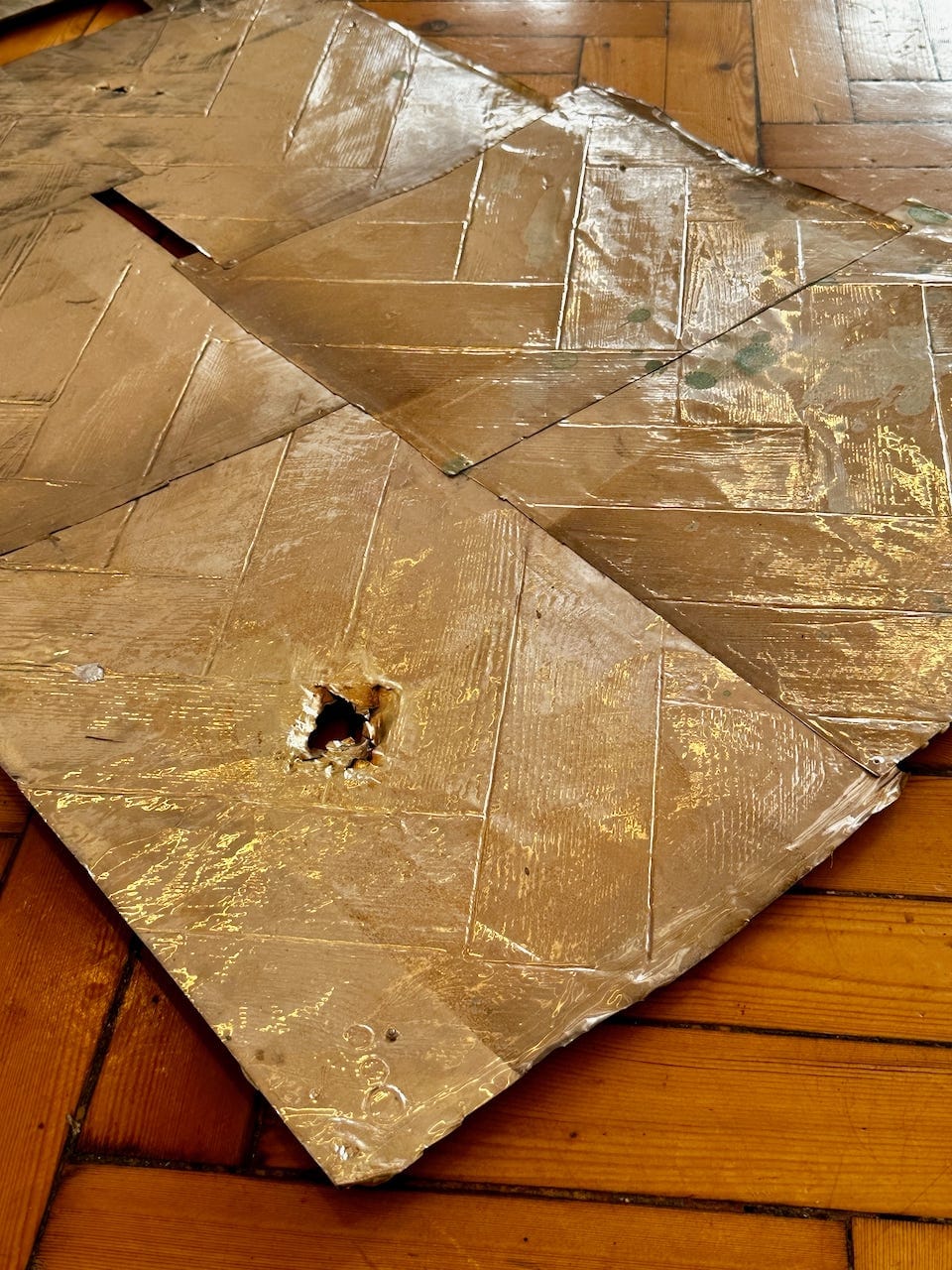
We arrived at Camden into a room saturated in amber light. The Victorian skylights above had been overlaid with panels of iodine solution, the light-sensitive chemical used in early daguerreotype photography, through which the daylight filtered and shifted. Condensation had formed on the inside of the panels, hundreds of small droplets moving as the light moved. The room was warm and strange, the colour of something just before it changes. In the main gallery, large-scale silver gelatin prints were assembled from multiple sheets of photographic paper, fixed with aluminium tape, the joins visible, the edges raw. The silver Faulkner uses is salvaged from X-ray machines. It has passed through other bodies, held other images and been stripped of them, redeposited into new forms. On the parquet, copper frottages lay at angles, rubbings taken from the studio floor and electroplated with recovered silver. One of them pierced by an ugly looking hole.
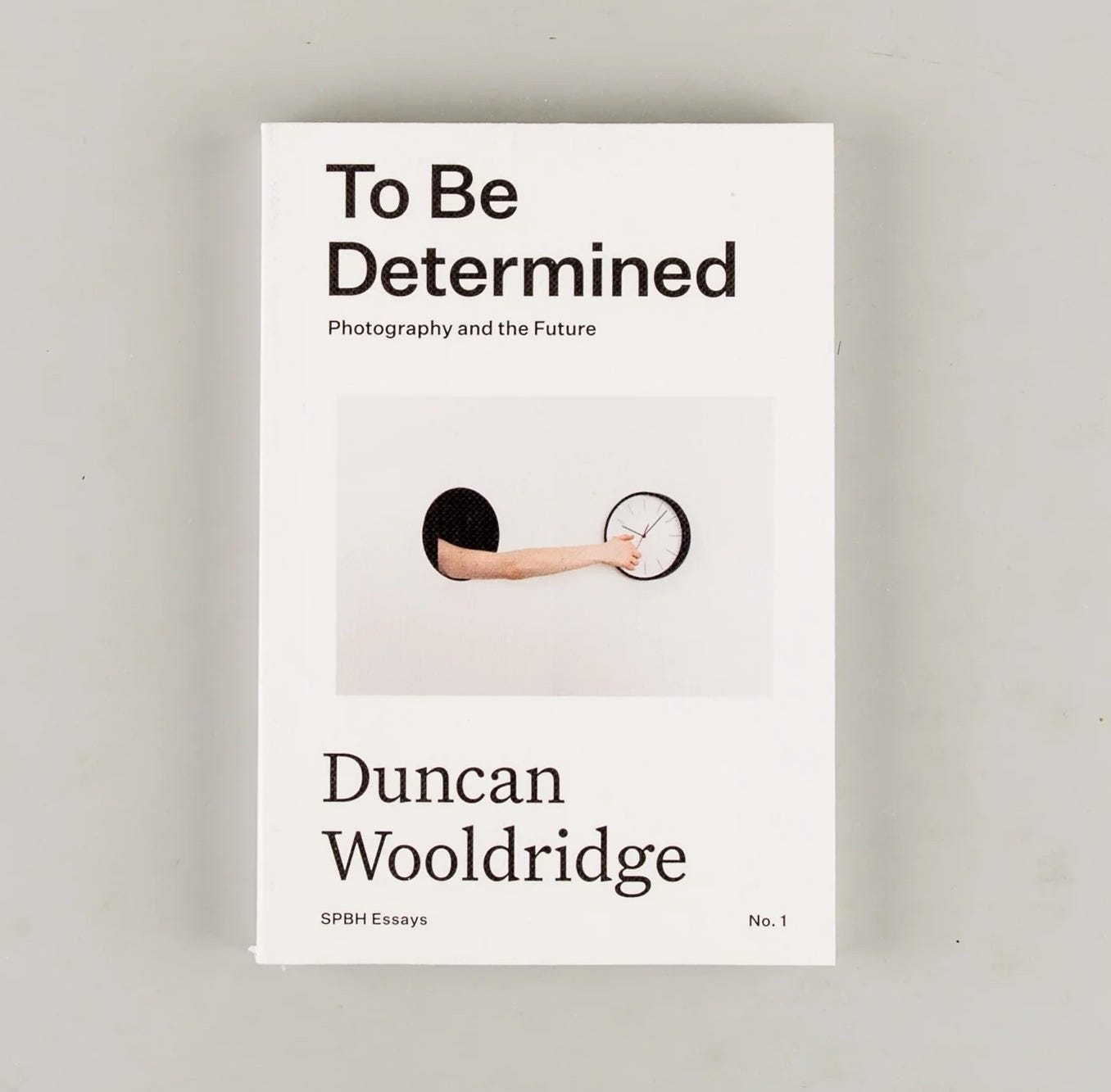
I had been reading Duncan Wooldridge’s fantastic To Be Determined on the train there and back. It is a small book, a sequence of short essays published by SPBH Editions, that proposes the slightly counter-intuitive notion that the photograph is as much an object of the future as it is of the past. That we have been looking at photography from the wrong end.
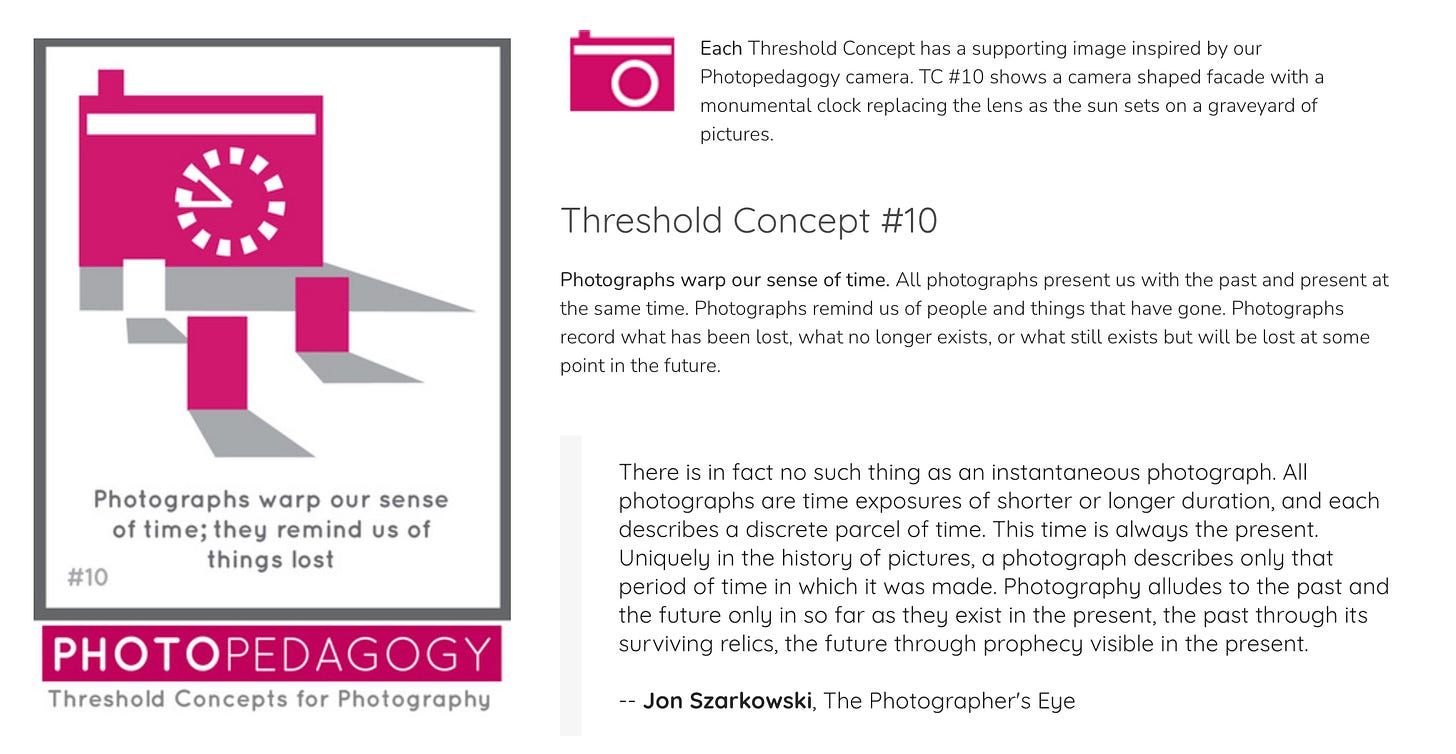
Wooldridge begins with a provocation: “Do we only look back?” Our encounters with photography, at least what is written about the photograph, are, he suggests, “thoroughly melancholy, prone to an ongoing, perpetual nostalgia for the that-has-been.” This is Barthes’ territory, and Sontag’s, and the territory of most photography education including my own. The photograph as elegy. The image as evidence of absence. TC#10 in the PhotoPedagogy threshold concepts reads: Photographs warp our sense of time; they remind us of things lost. Every photograph is a memento mori, a reminder that what the camera captured is already gone. I still believe most of it. But reading Wooldridge on the train back from Camden, something shifted.
Because Wooldridge isn’t dismissing the that-has-been. He’s saying it’s only half the image. The theoretical engine underneath this claim is Vilém Flusser, whose Towards a Philosophy of Photography runs throughout Wooldridge’s argument. Flusser described the photographer not as an autonomous agent but as a functionary of the apparatus, someone who helps the camera execute its programme, who explores the possibilities already latent in the machine. The interesting photographer, for Flusser, is the one who works against the programme, who finds the images the apparatus didn’t intend. Wooldridge takes this further, not just what photographers do against the apparatus, but what the photograph itself does after it leaves their hands. Photography has a future tense, a projective capacity and a speculative dimension that our melancholy has caused us to overlook. The photograph is not a record but a becoming.
Against conclusion, the photograph is a becoming. It emerges, representation coming about, arriving not fully formed but continuing to change, remaining unstable.
Kaja Silverman, in The Miracle of Analogy, or The History of Photography, Part 1, calls it the medium’s “unstoppable development.”
Wooldridge reaches back into the most canonical images in photography history to show that it was always already there, the becoming, the instability. We just weren’t looking carefully enough. The chapter on Daguerre’s Boulevard du Temple is the one I’d put in front of every A-level photography student, every teacher who has taught from that image. You know it. The deserted street, the long exposure that erased the crowd, the solitary figure having his shoes shined in the bottom left corner, the person to appear in a photograph, standing still long enough for the chemistry to find him. A founding document. A fixed point.
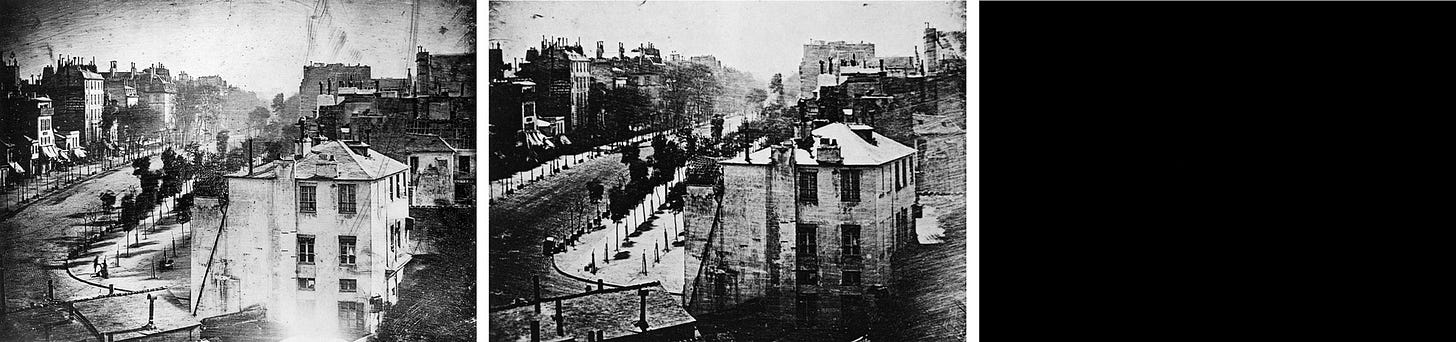
Wooldridge, following Silverman, unsettles all of that. Daguerre made three exposures of the same scene, over two days, at three different times of day. When Silverman reassembles them as a triptych, the buildings move. “Not only does it occupy a slightly different position in each photograph, but it also moves in multiple directions within them.” The supposedly static image contains motion. The architecture shifts between frames almost like the beginning of an animation. The crowd was absent because it moved too fast for the chemistry, but the buildings moved too, just slowly enough to be absorbed. And then there is what Peter Geimer noticed in Inadvertent Images, the current condition of Daguerre’s plates, which “have turned to black, their chemistry having continued to react and change.” The image students encounter in their textbooks is a reproduction of something that no longer exists in the form they are seeing it. The original is gone. Still developing. Still becoming.
The arrestedness of the photograph is not a stop but a pause.
That sentence, read somewhere between Charing Cross and Kidbrooke made me put the book down. It undoes something I’ve been pondering for a while. Not just what’s missing from TC#10, but a whole chapter in the book I’m writing, about photography and time, which leans too heavily on Barthes’ that-has-been and the photograph as a kind of death. Which is not untrue. It’s just that Wooldridge is pointing at something which changes the shape of the first truth. If the photograph is a pause rather than a stop, the memento mori argument still holds, (we are reminded of what has been) but the image itself is still moving. Still producing effects that nobody anticipated when the shutter opened. Still moving.
Flusser returns in Wooldridge’s chapter on anticipatory photographs, on pre-capture technology, the camera that anticipates the decisive moment. “If you didn’t capture it, the camera did. What the photographer saw ceases to matter.” I think of my Hasselblad and the accidental floor on a roll of film. A camera of roughly my own vintage, with its own habits and resistances, which found its moment without me. Not a malfunction. A photograph. The apparatus exercising something that functions like initiative.
The book ranges across artists who share this orientation, and three of them offer particularly useful territory for teachers working beyond the canon. What connects them is that each makes the viewer’s participation structural rather than optional, the image cannot exist without the encounter.
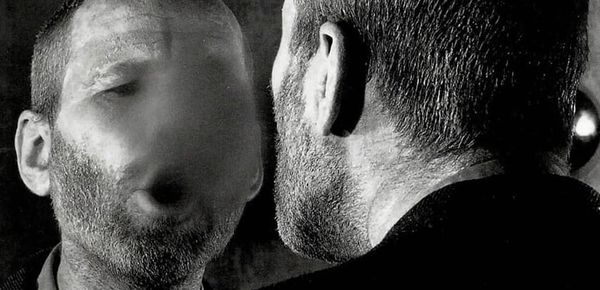
Oscar Muñoz’s Aliento (Breath, 1996-2002) consists of small circular metal mirrors printed with portraits of the dead, taken from Colombian newspaper obituaries, using grease rather than ink. The mirrors appear blank. A viewer who breathes on one briefly summons the face before it disappears. The photograph is alive only in the encounter, and temporary even then. It needs the viewer’s breath to exist, and disappears the moment they stop giving it. Rosângela Rennó’s Rio-Montevideo (2011-ongoing) makes a similar demand more politically. In 1973, on the eve of Uruguay’s military coup, photojournalist Aurelio González hid 48,626 negatives from the communist newspaper El Popular inside the building’s walls. Discovered thirty years later, 32 of these images were presented by Rennó through analogue slide projectors sourced from flea markets, which visitors activate themselves. Press the button and an image appears. Do nothing and the room goes dark. Looking becomes a choice, which is to say a political act. Wooldridge wrote about Rennó’s work for 1000 Words magazine before including her in the book. The relationship between his thinking and hers is close. Both understand preservation not as a passive condition but as something that requires active, ongoing effort. The image that nobody looks at disappears. Sarah Pickering’s Pickpocket (2016) completes the thought by sending the image out into the world without asking permission. At Manifesta 11 in Zurich, Pickering had a professional pickpocket distribute small silver gelatin prints, re-enactments of stills from Bresson’s 1959 film, with Pickering’s own hand as the thief’s, into the bags and pockets of the audience without their knowledge. The photographs entered circulation by stealth, discovered later by people who hadn’t known they’d received them.
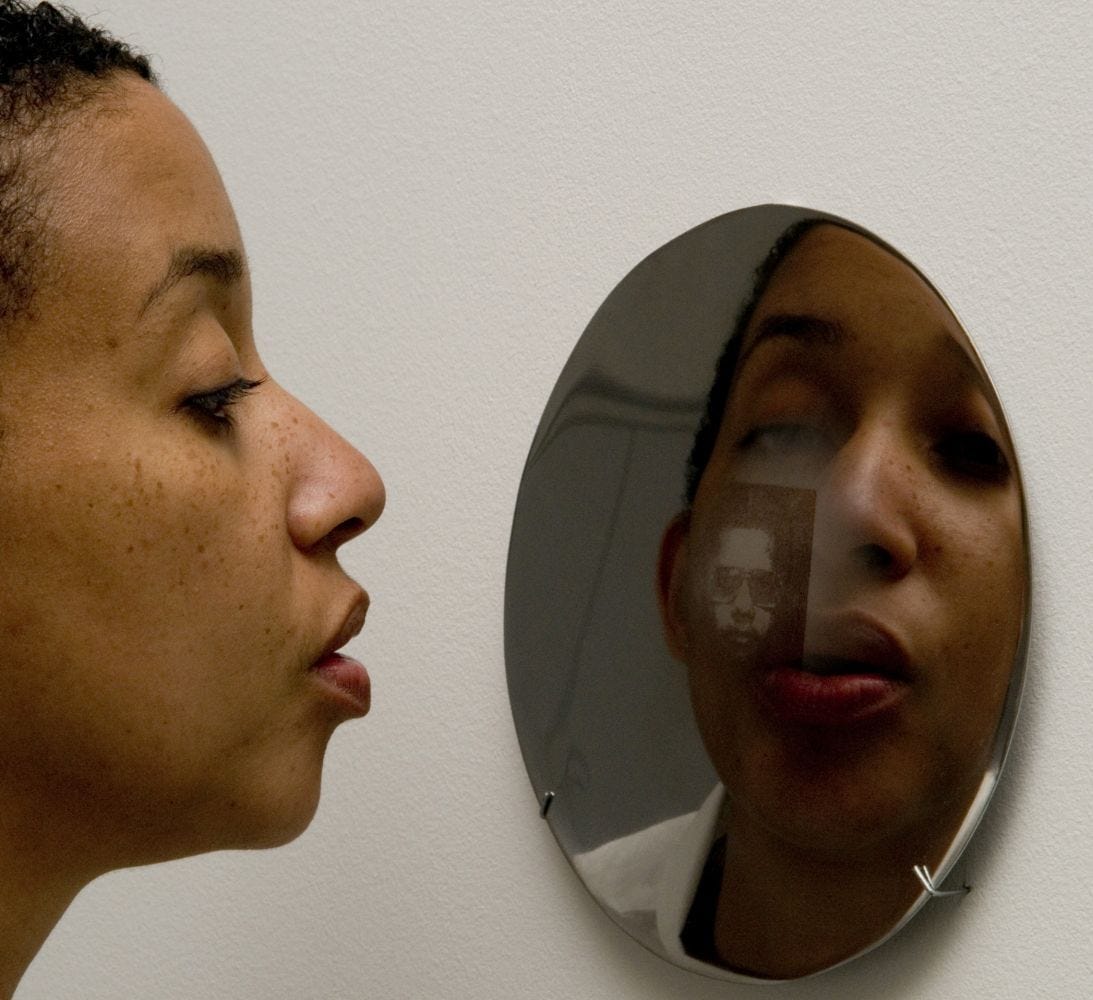
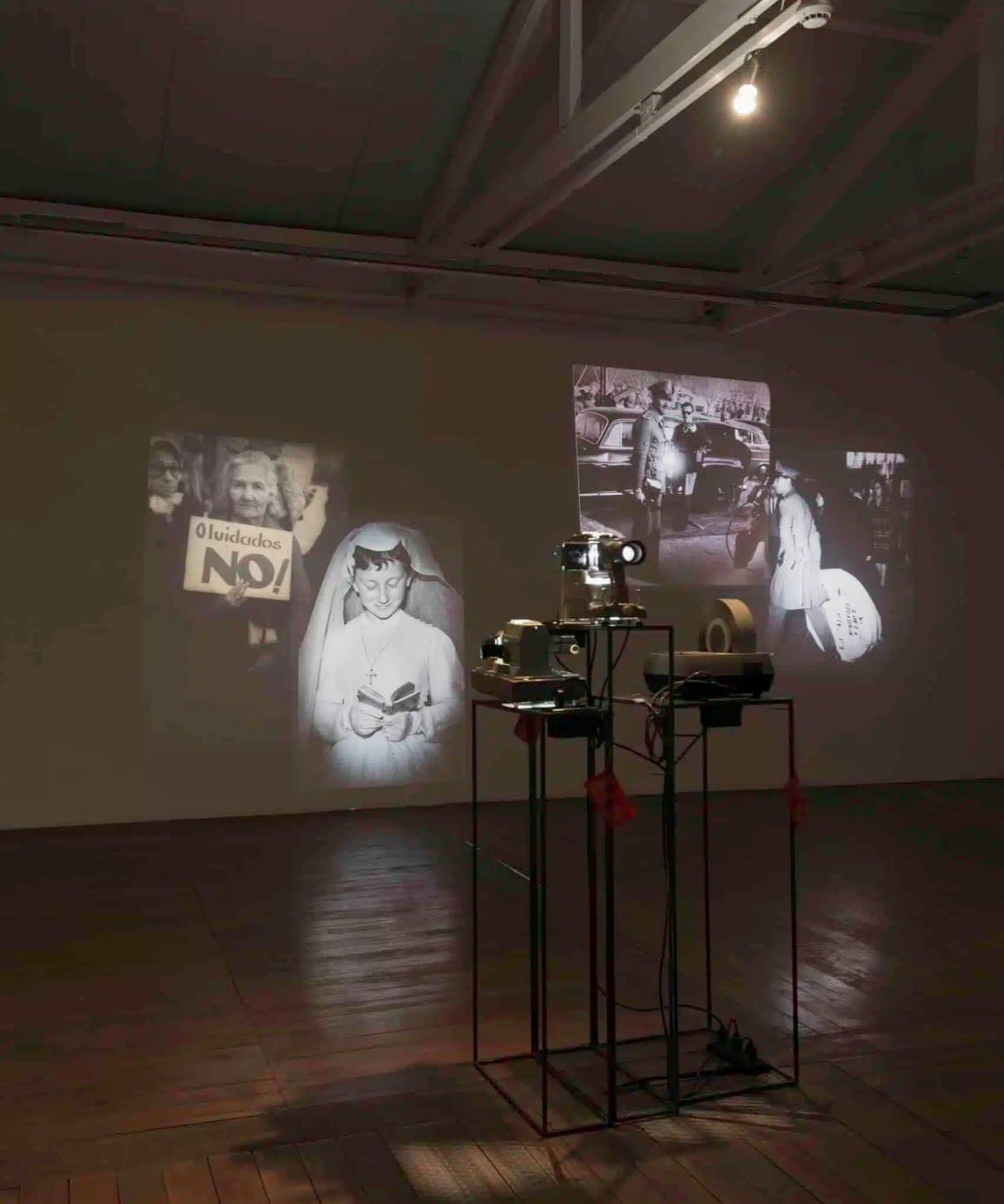
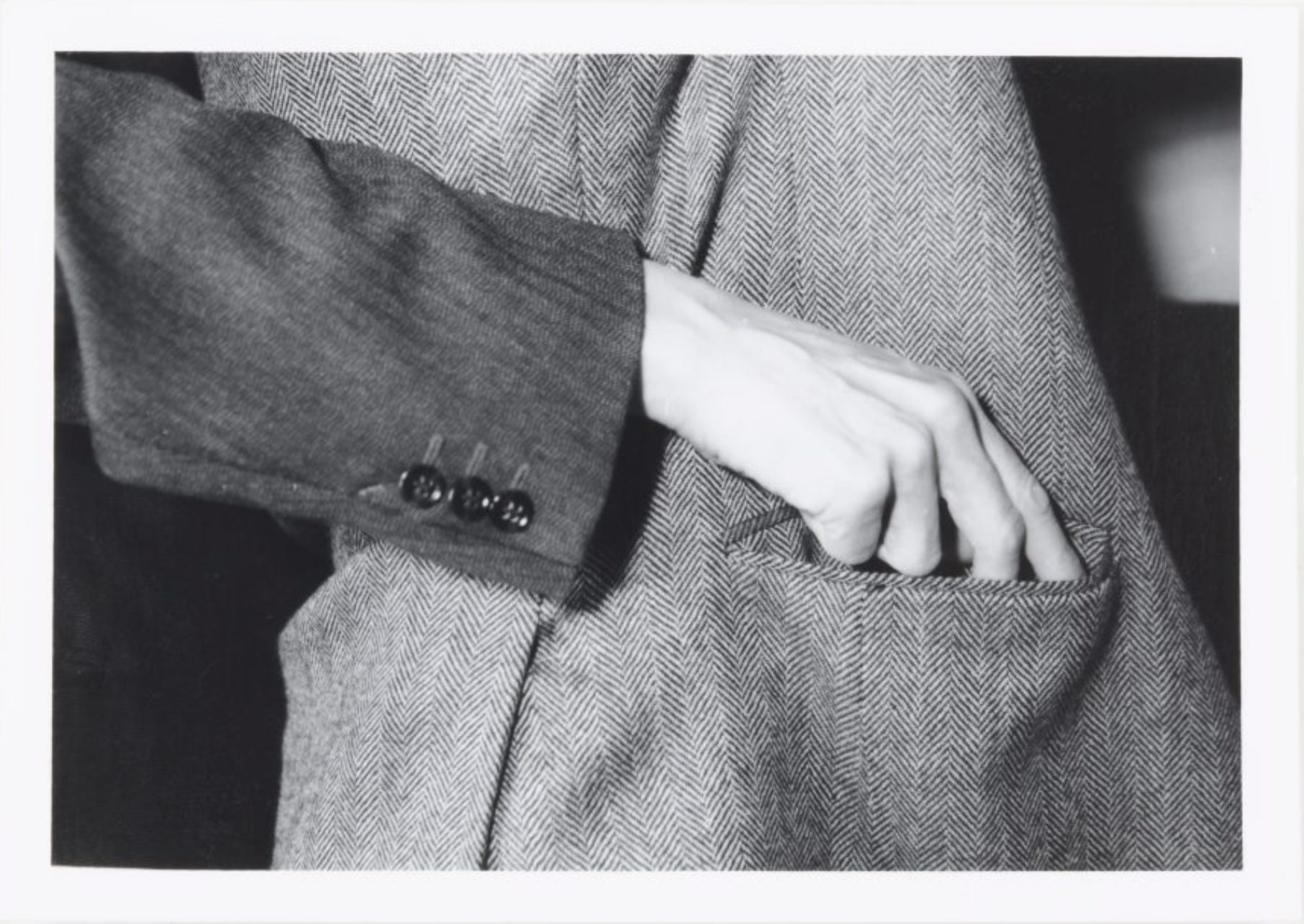
Muñoz, Rennó and Pickering
Together these three describe photography not as capture but as relay. Images in transit, requiring breath, or a hand on a button, or an unsuspecting pocket. The photograph’s meaning is not fixed at the moment of making but continues to be worked out in every subsequent encounter. To be determined.
My X-ray is somewhere in the house. I haven’t seen it in years. The silver on it has been reacting, very slowly. The image of my skull, made by a machine that didn’t know my name, in a country where I couldn’t read the labels, carried home in a bag after two undignified days involving a bar floor, a ferry, a moped and a gear change too dramatic for the person on the back, is still becoming. Still in its unstoppable development. If I ever find it, it won’t be the same. Wooldridge ends with an urgency unusual for photography theory. “The future will live with the images we produce right now.” He is talking about photographs but also about everything we make and leave behind, all the image worlds we construct that will outlast us and continue their work in contexts we can’t anticipate.
It is our responsibility to account for the image worlds we construct — they are intricately linked to the world, informing and shaping what is to come.
TC#10 needs rewriting. Not because it’s wrong but because it’s only half the image. Photographs do warp our sense of time. They do remind us of things lost. But they also project, anticipate, speculate, become. The memento mori is still there. It’s just that the photograph isn’t finished yet.
Thanks for reading PhotoPedagogy! Subscribe for free to receive new posts.
These posts will always be free but, if you enjoy reading them, you can support my analogue photography habit, and that of my students, by contributing to the film fund. Thanks to those of you who have already done so. All donations of whatever size are very gratefully received.