From the Bookshelf
Karl Ove Knausgaard — The School of Night (Part 2)
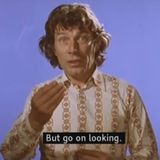
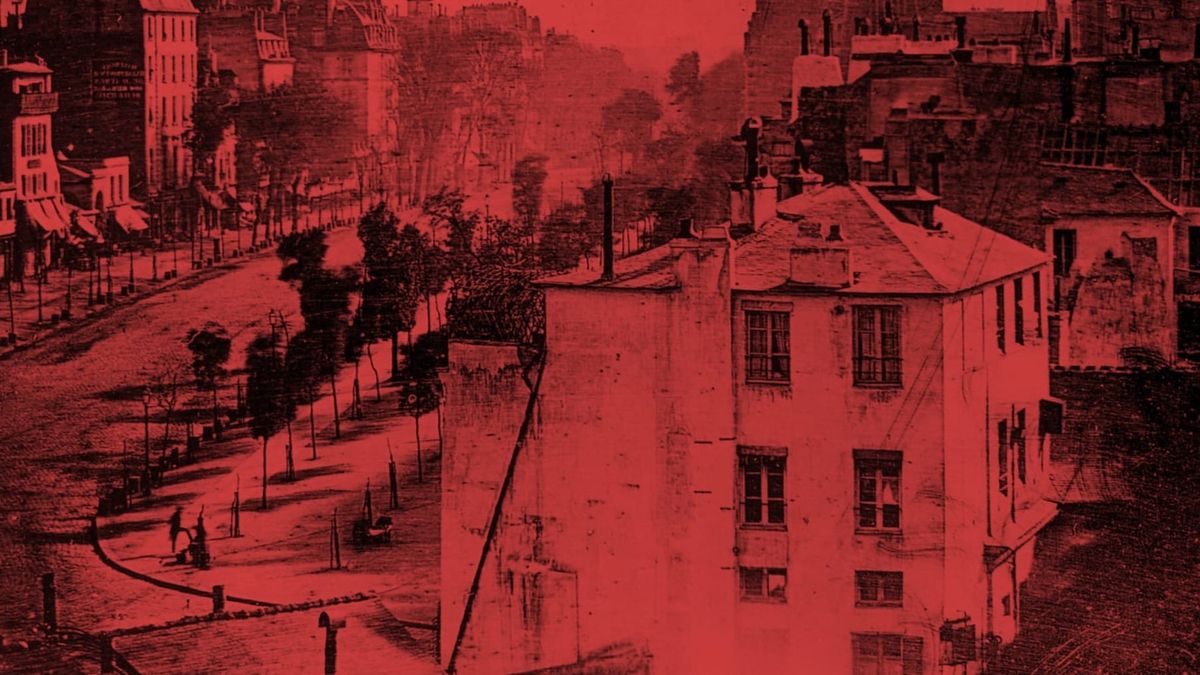
It was evident, though, that he wasn’t travelling towards but away from something. To begin with, it was an irritating read: come on, pull yourself together, I’d find myself urging the protagonist, this is nothing to dwell on, no matter what you think, leave it alone and move on – do something! But after a while I settled into it, his mode became almost my own, and his thoughts too became almost my own, regardless of how strange they appeared . . .
— Karl Ove Knausgaard, The School of Night, 2026
This is Part 2 of a response to (rather than a review of) Knausgaard's 2026 novel The School of Night. I recommend reading Part 1 first. Don’t worry. There aren’t too many spoilers in either post.
Too late for the programme
Halfway through The School of Night, Kristian is given his first proper commission. Vivian, who runs a small theatre company, is staging Marlowe's Doctor Faustus and wants photographs for the programme. He spreads out a map, rings the places associated with Marlowe, and tells himself he could cover them all in a week.
He puts it off. The connection between Marlowe and these places is, he says, "by the nature of things not visually apparent", and dressing someone up in a ruff would be a cheap trick. When he finally cycles out to Scadbury, then back through Southwark and Shoreditch, the pictures are good, perhaps the best he has made. He takes them to Vivian but the programme has already been printed. A few days later he passes the posters on a hoarding by the railway bridge: THE CLOCK WILL STRIKE, black text on blood red.
The line is from Faustus's last speech, as the hour of his damnation arrives:
The stars move still, time runs, the clock will strike. The devil will come, and Faustus must be damned.
Faustus is given twenty-four years for his soul. Knausgaard has said in an interview that Kristian's span of success is deliberately the same. Marlowe wrote the story of a man who trades his soul for brilliance. Knausgaard imagines a young photographer doing much the same. I've spent the last few weeks walking round the places Kristian marked on his map, with the audiobook in my ears and a camera round my neck.
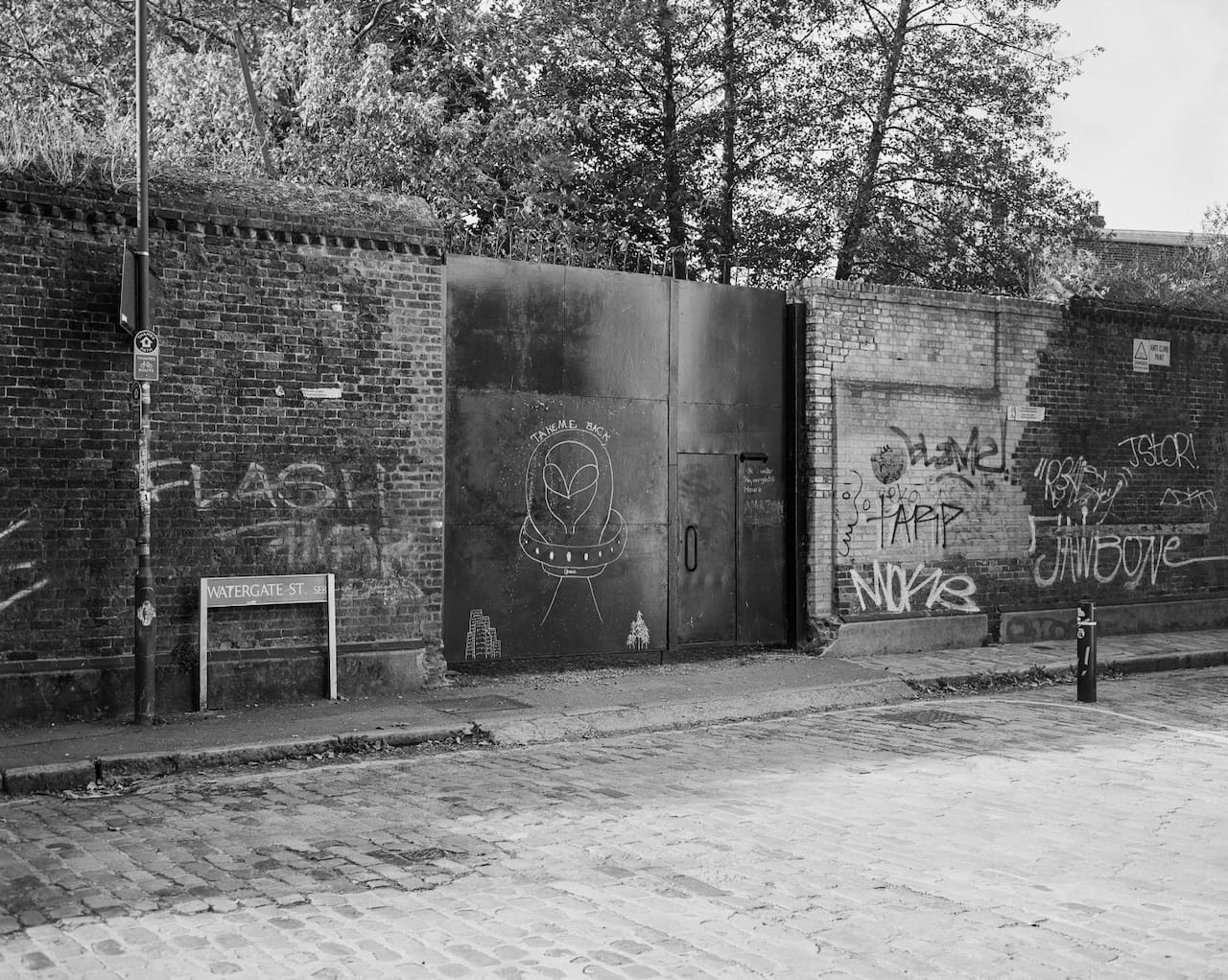
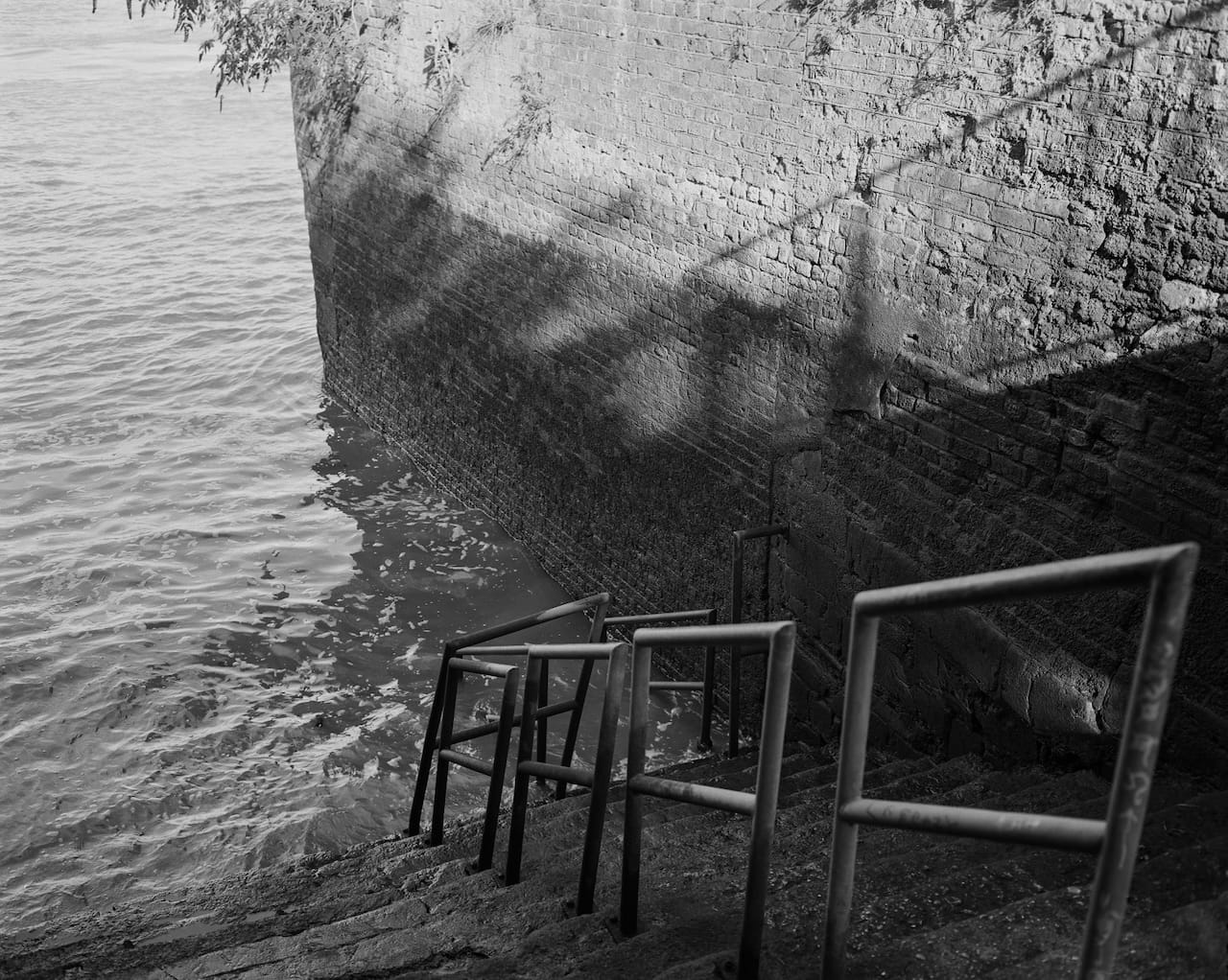
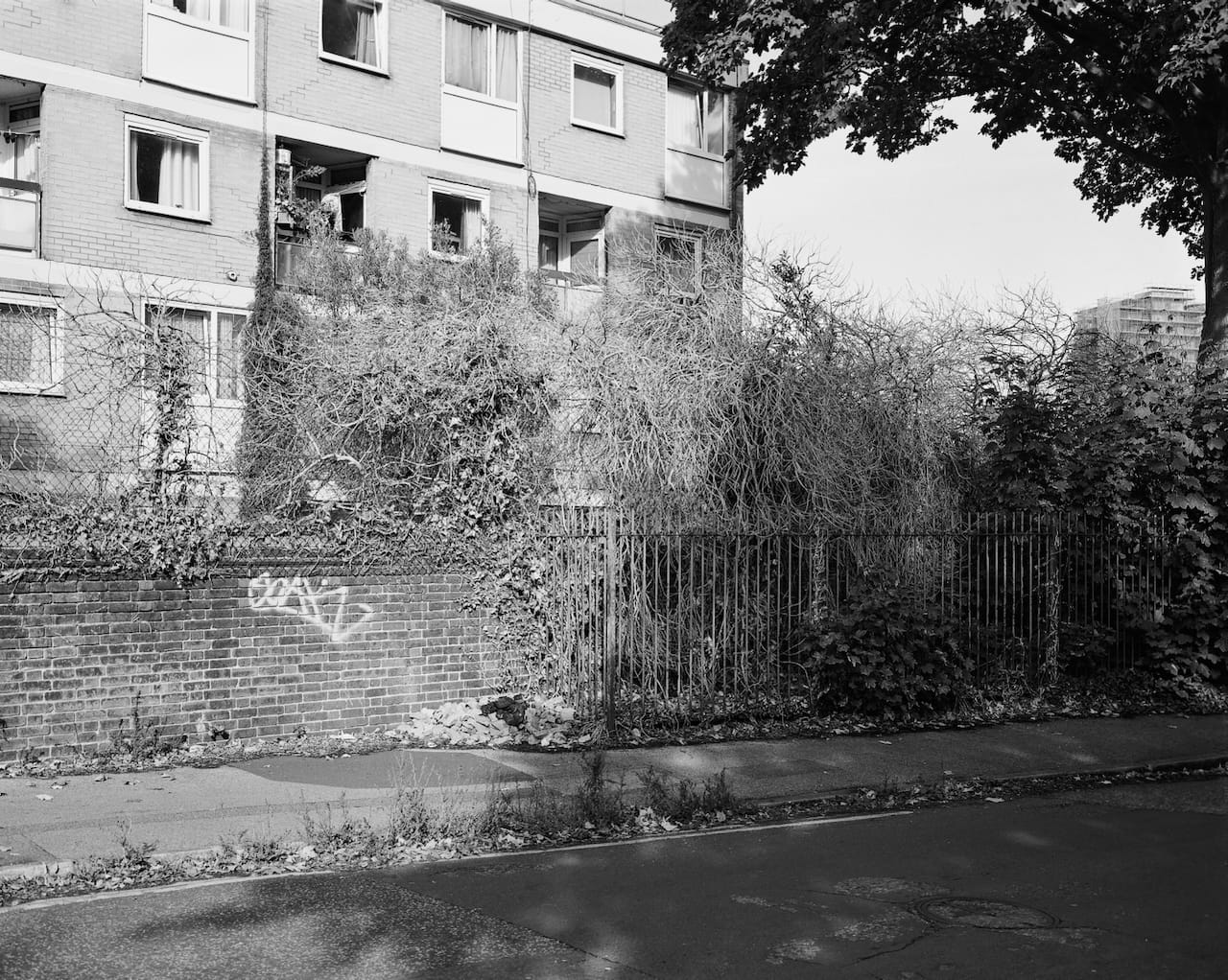
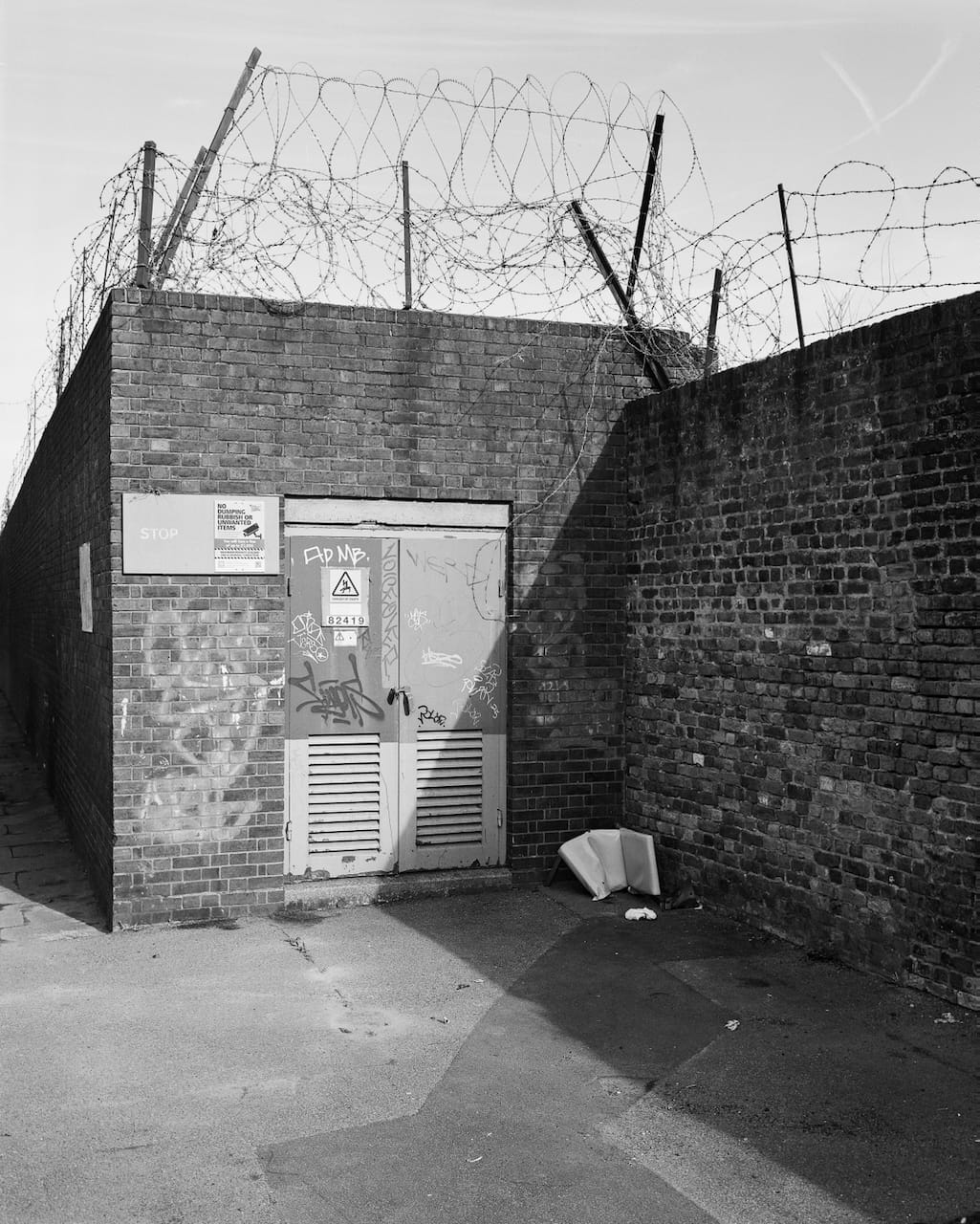
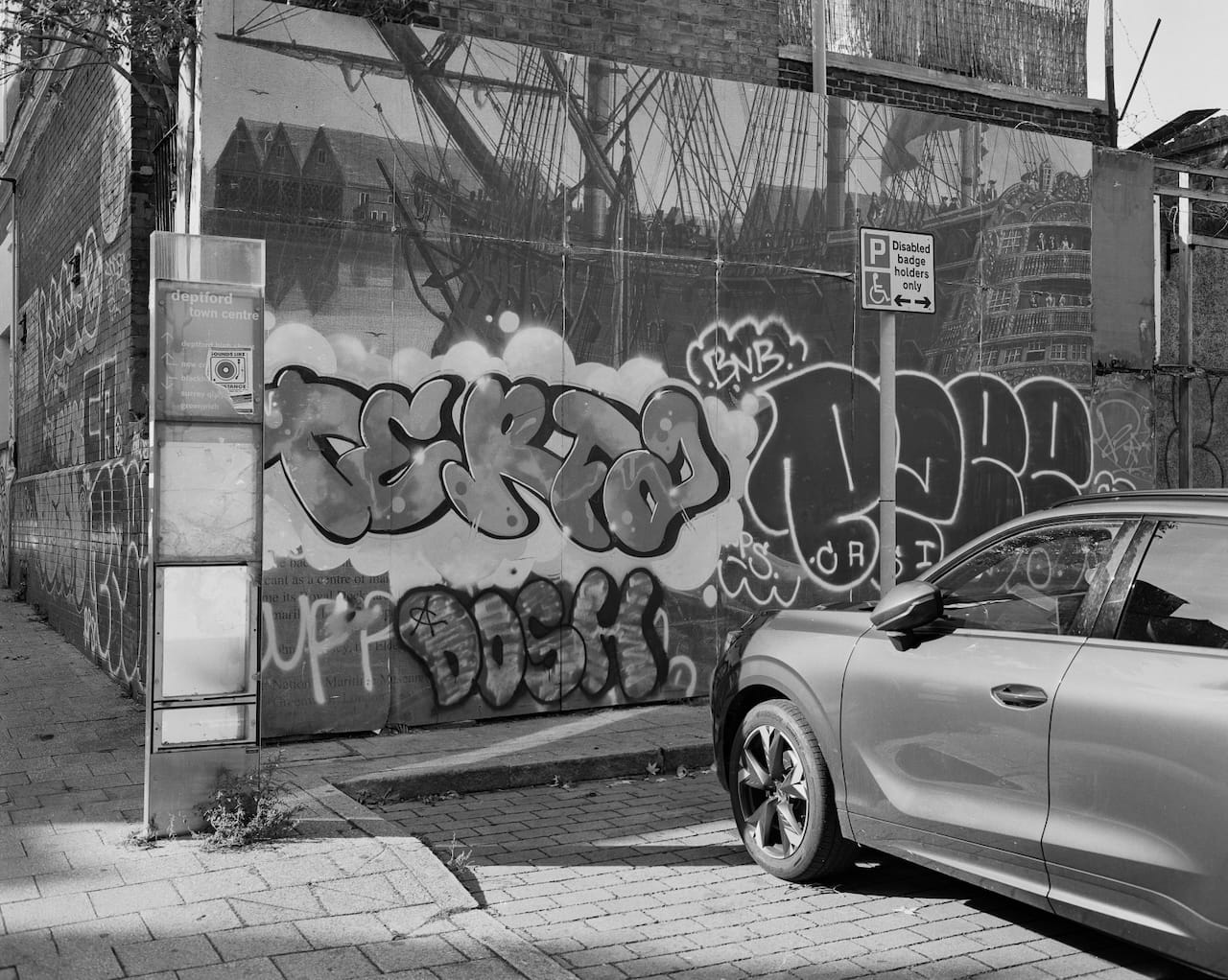
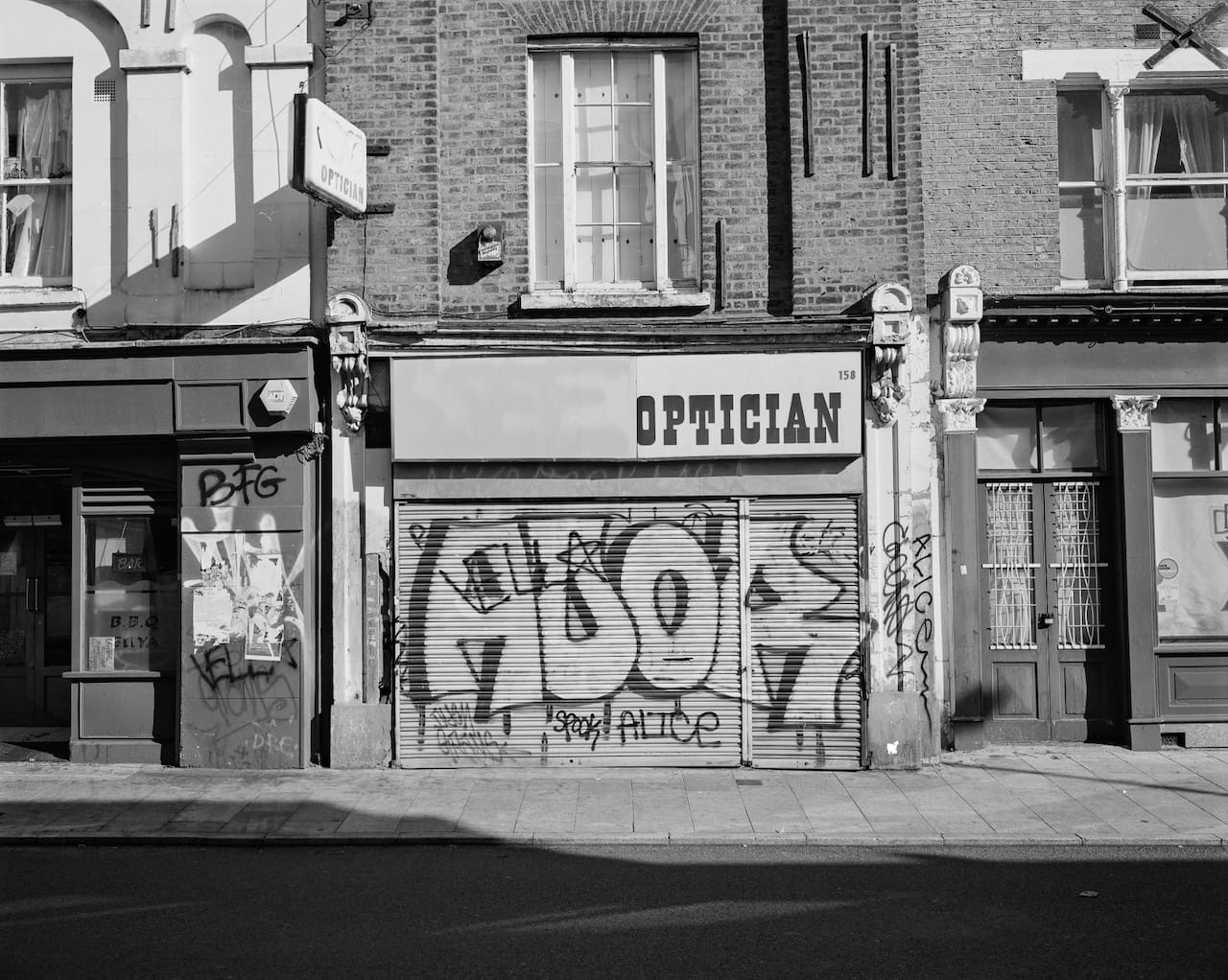
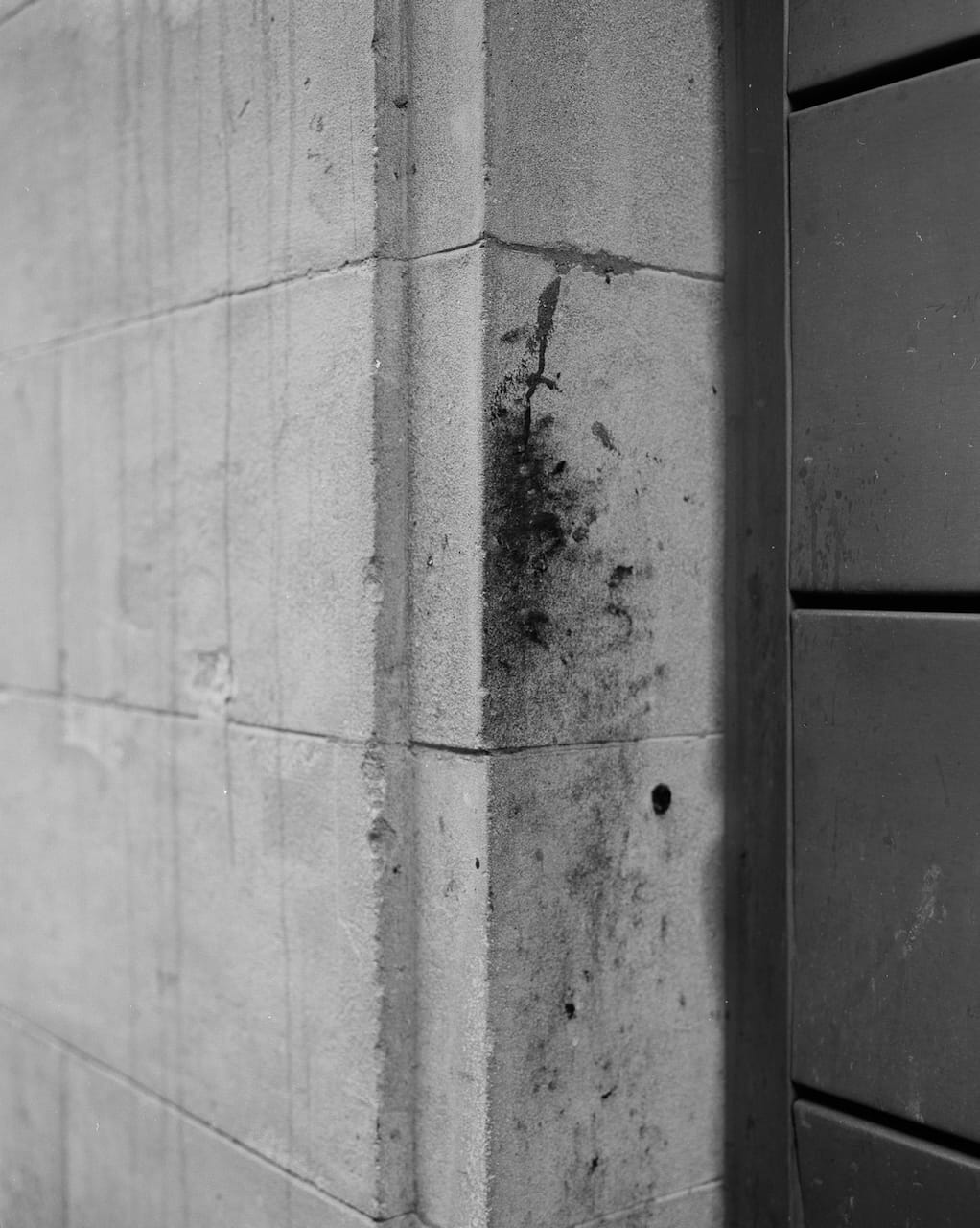
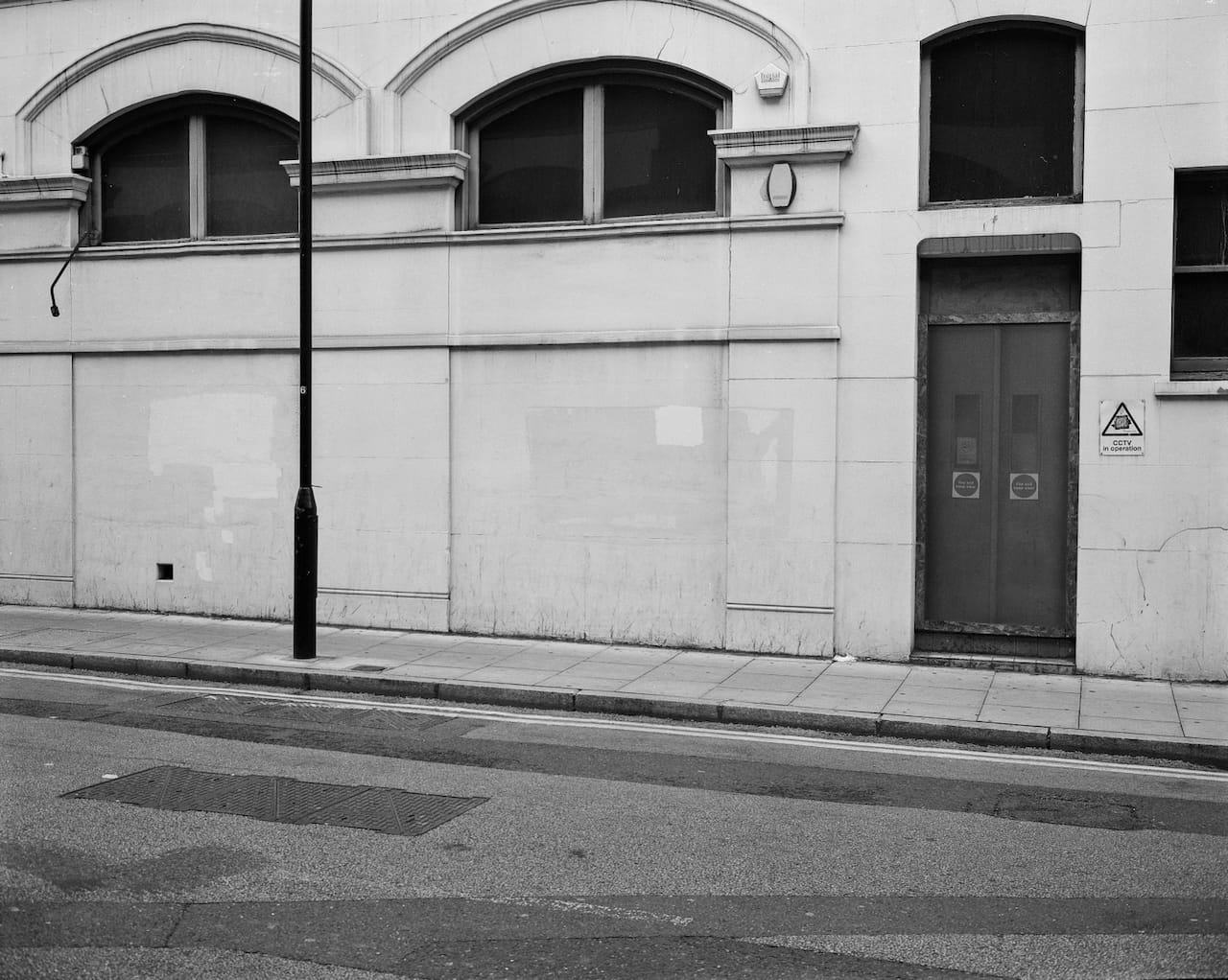
These are the pictures that never made the Faustus programme. They aren't Kristian's. I haven't tried to imagine what he would have shot. They're what was there when I showed up in late October light.
An apprentice's methods
In Part 1 I put together a ghost portfolio for Kristian from other people's photographs. As in Calvino's The Adventure of a Photographer, the novel is partly a catalogue of ways to make a picture. Here is the list, as far as I've read:
- portraits of different people in the same chair, the same bath, the same pose
- converging lines running to a vanishing point
- a house documented room by room after a crisis
- a self-portrait, hoping to come out as a blur
- lone bare trees as “frameworks of life”
- charged objects: a carcass on a chopping board and a lighter
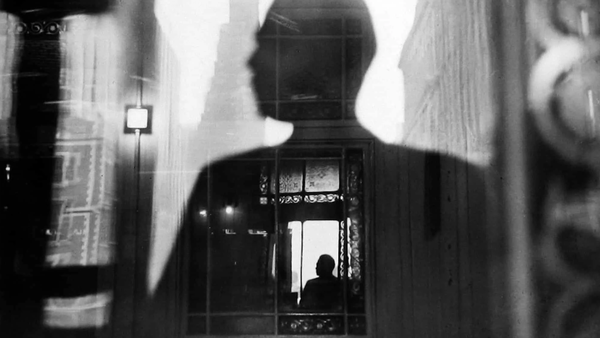
- a reflection in a dark window, the camera kept out of sight
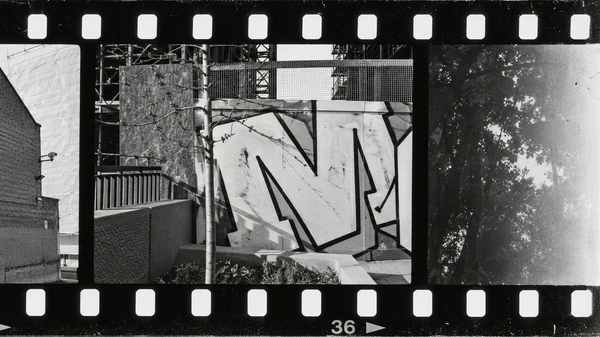
- a roll shot on instinct, on waste ground by water
- a friend’s contact sheets of photographs that seem to be of other photographs
- Marlowe’s places, where what happened isn’t visually apparent
- a stranger on a street corner who looks straight back
- forty prints graded and arranged like a planetary system
Playing at being his new guest tutor, an American who photographs streets as lines and angles, he climbs office stairwells to shoot the West End from above.* On a Soho landing he remembers that Daguerre made his Boulevard du Temple from a window high above the street, and decides to photograph London with nineteenth century equipment. The exposures would be so long that anyone moving would vanish.
The streets would come out deserted. There would be only light and shadow, space and structural mass.
I realised I'd been doing something like this already, by other means. There aren’t any people in my pictures. That's partly ethical. I'd rather not photograph people whose permission I can't secure. It's also partly temperament. I'm more interested in the fabric of the place and the way light behaves. Kristian empties the city to make art. I leave people out because they aren't mine to take. The results might look oddly similar. The photographer is the only person there and he isn't in the frame.
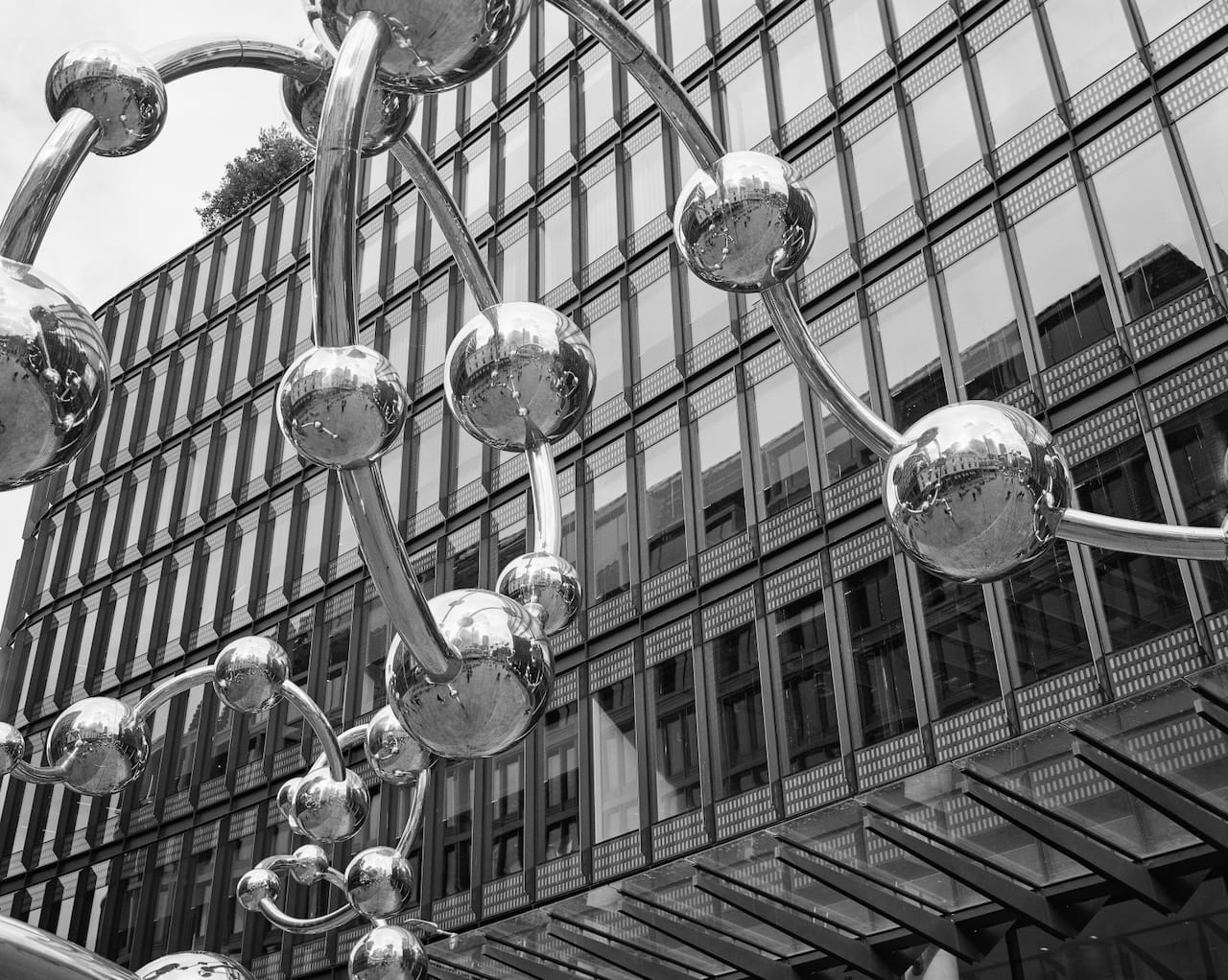
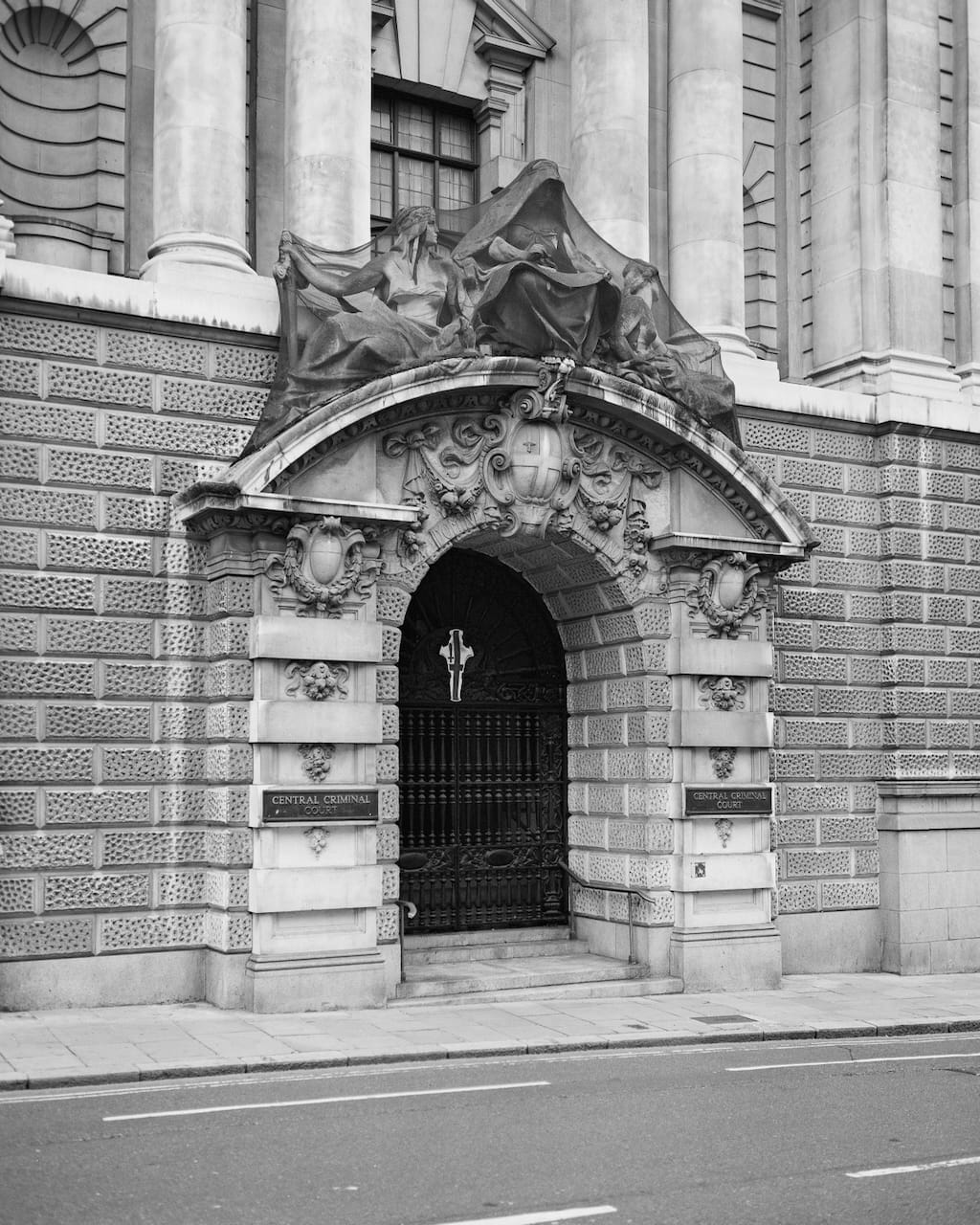
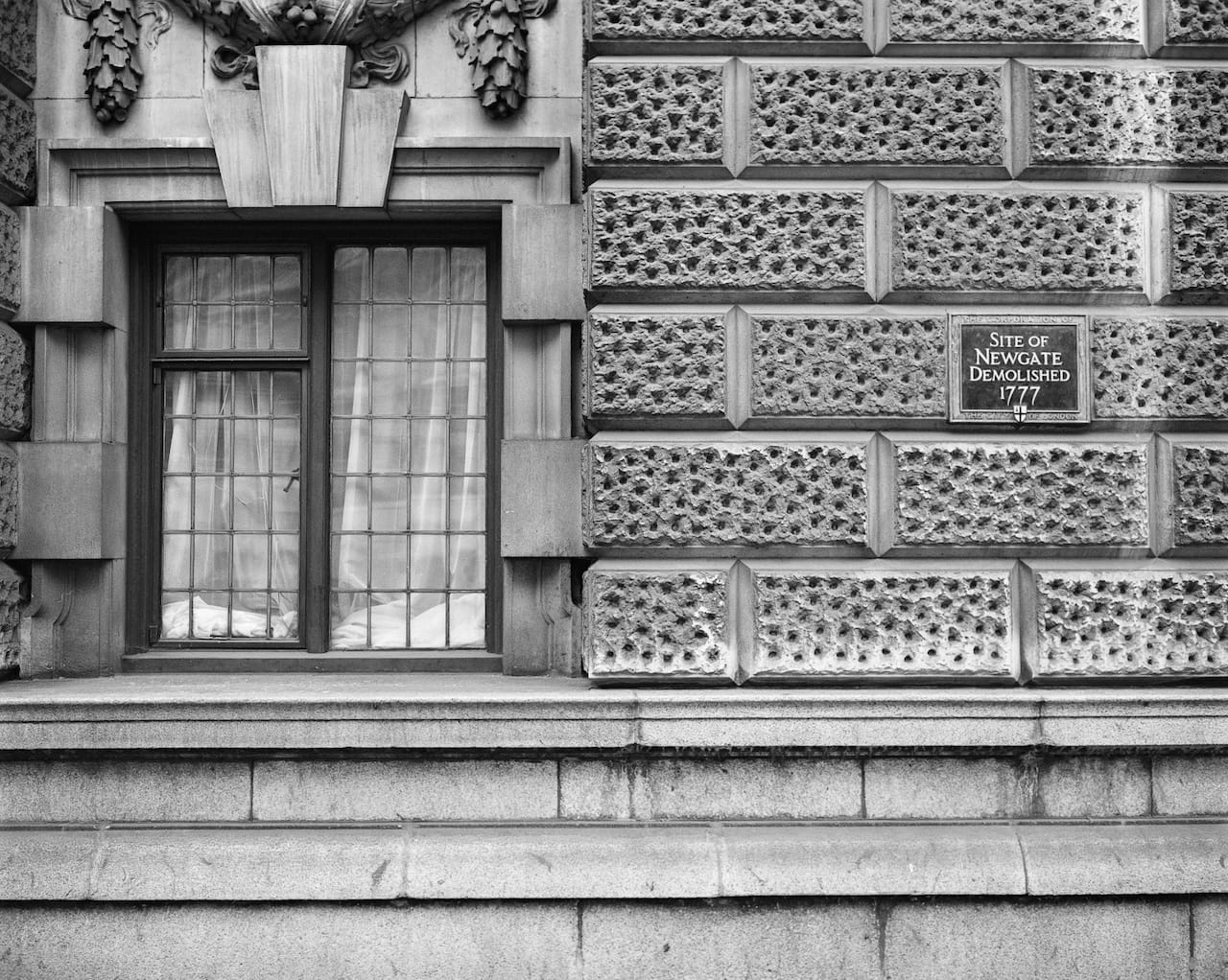
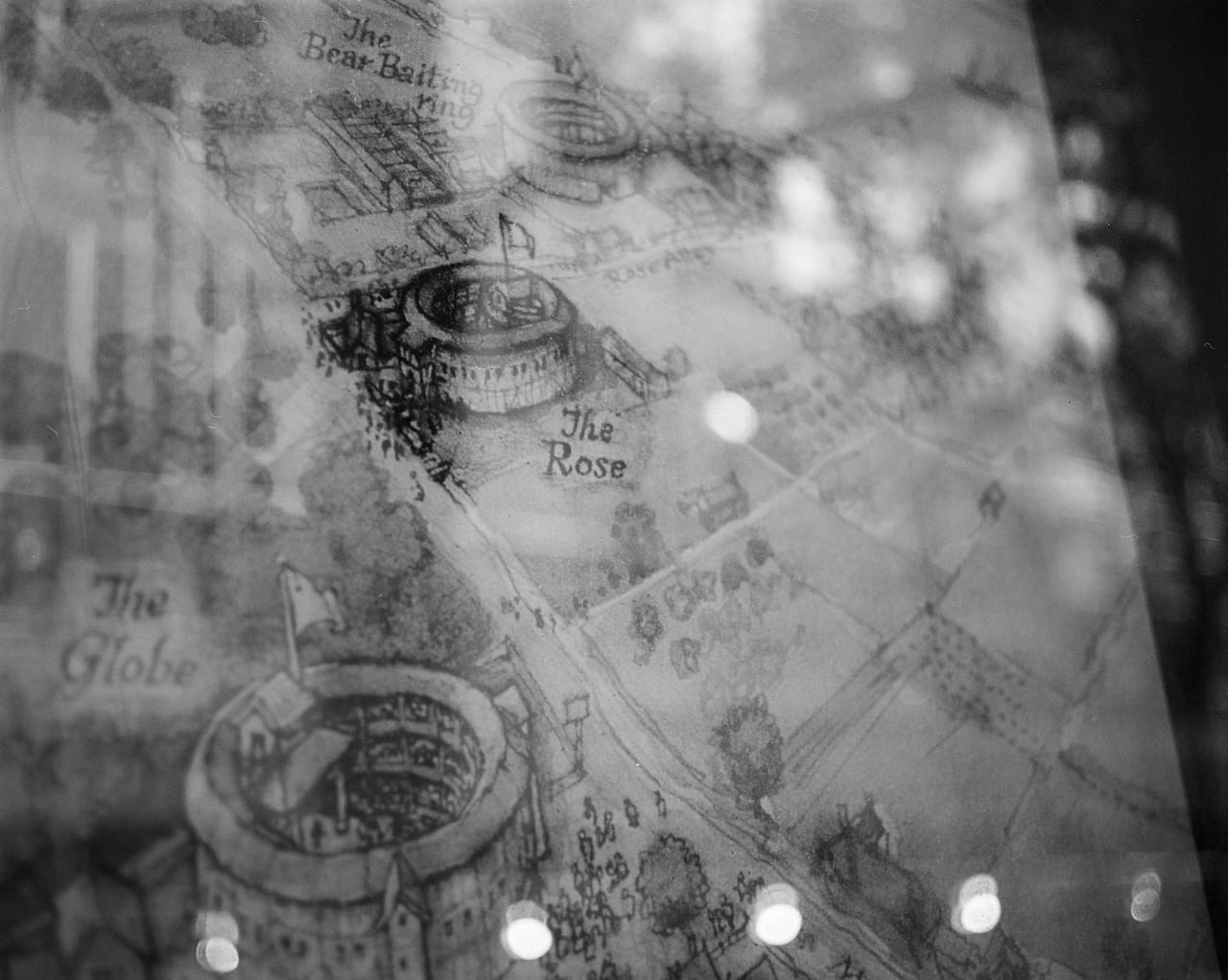
Here are the pictures I made, retracing Kristian's steps, of places linked to Marlowe's short life, beginning in Deptford, the site of his death and unmarked grave, taking in the the 1589 Shoreditch fight, in which Watson killed Bradley and where Marlowe assaulted two constables in 1592, then Newgate (now The Old Bailey), where he was imprisoned after the Hog Lane fight, and the site of The Rose theatre on Bankside, where Dr. Faustus was staged. The journey ends in Scadbury Park, Chislehurst, Thomas Walsingham's manor, where Marlowe was staying when the warrant for his arrest was issued in 1593.
Marlowe's London
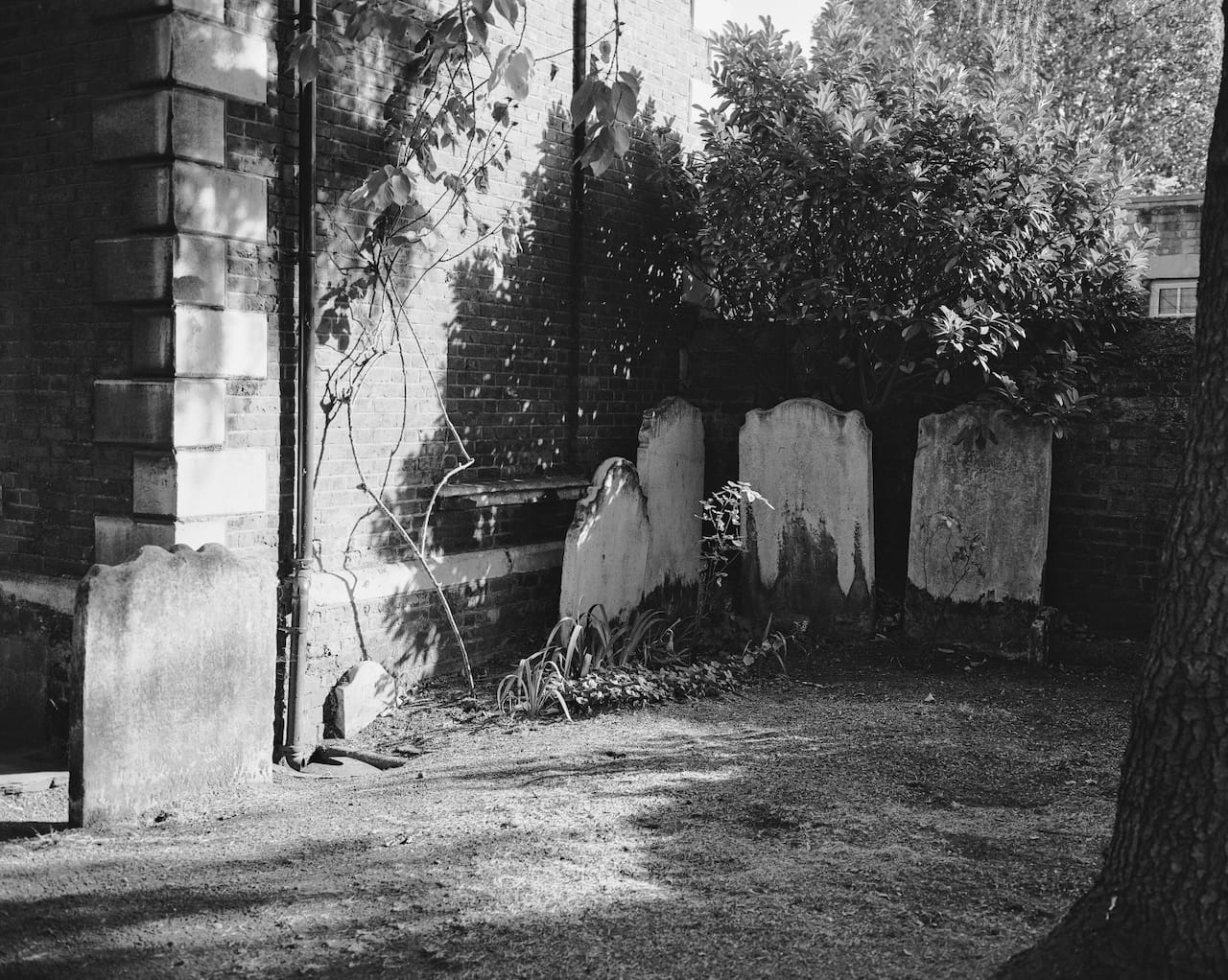
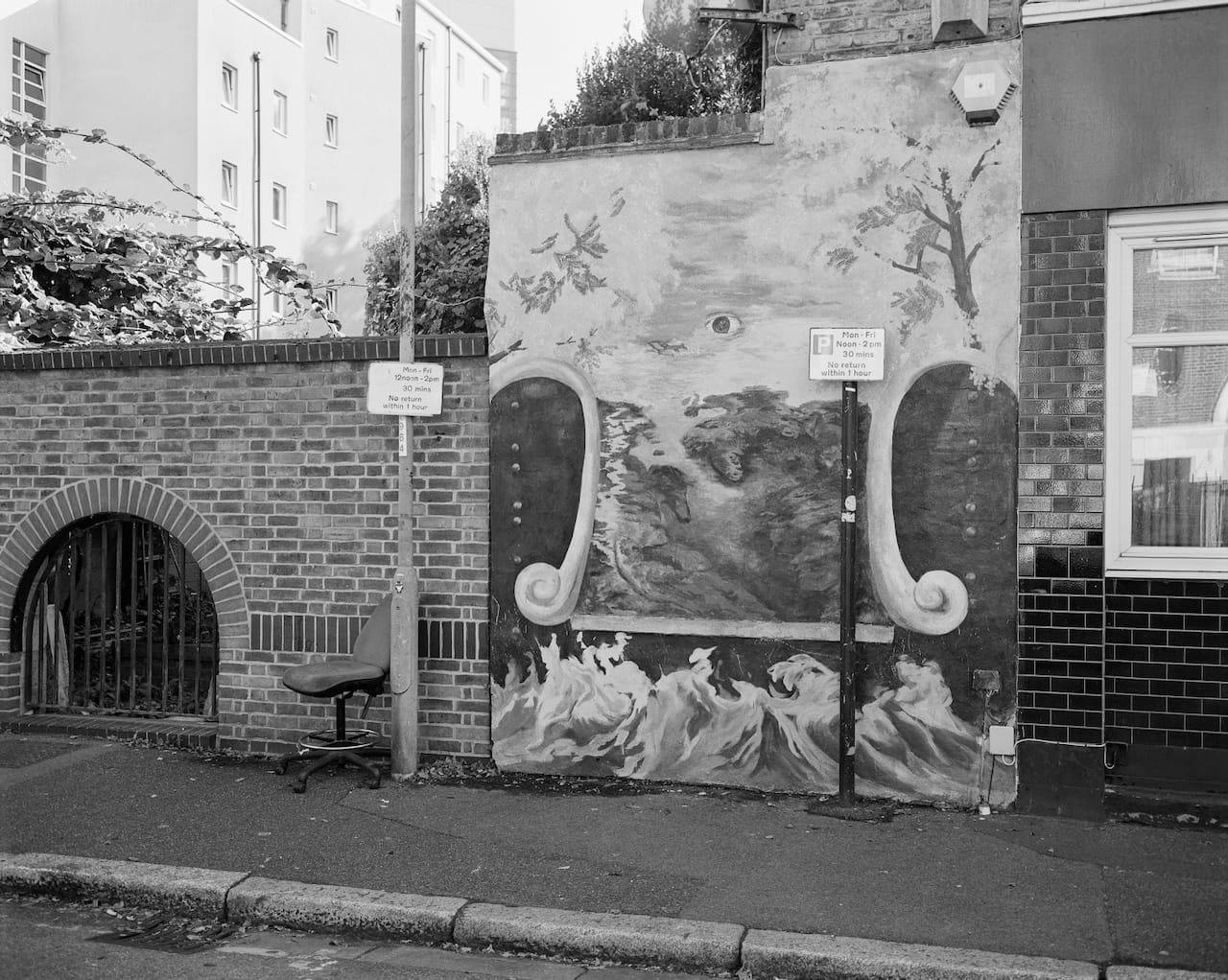
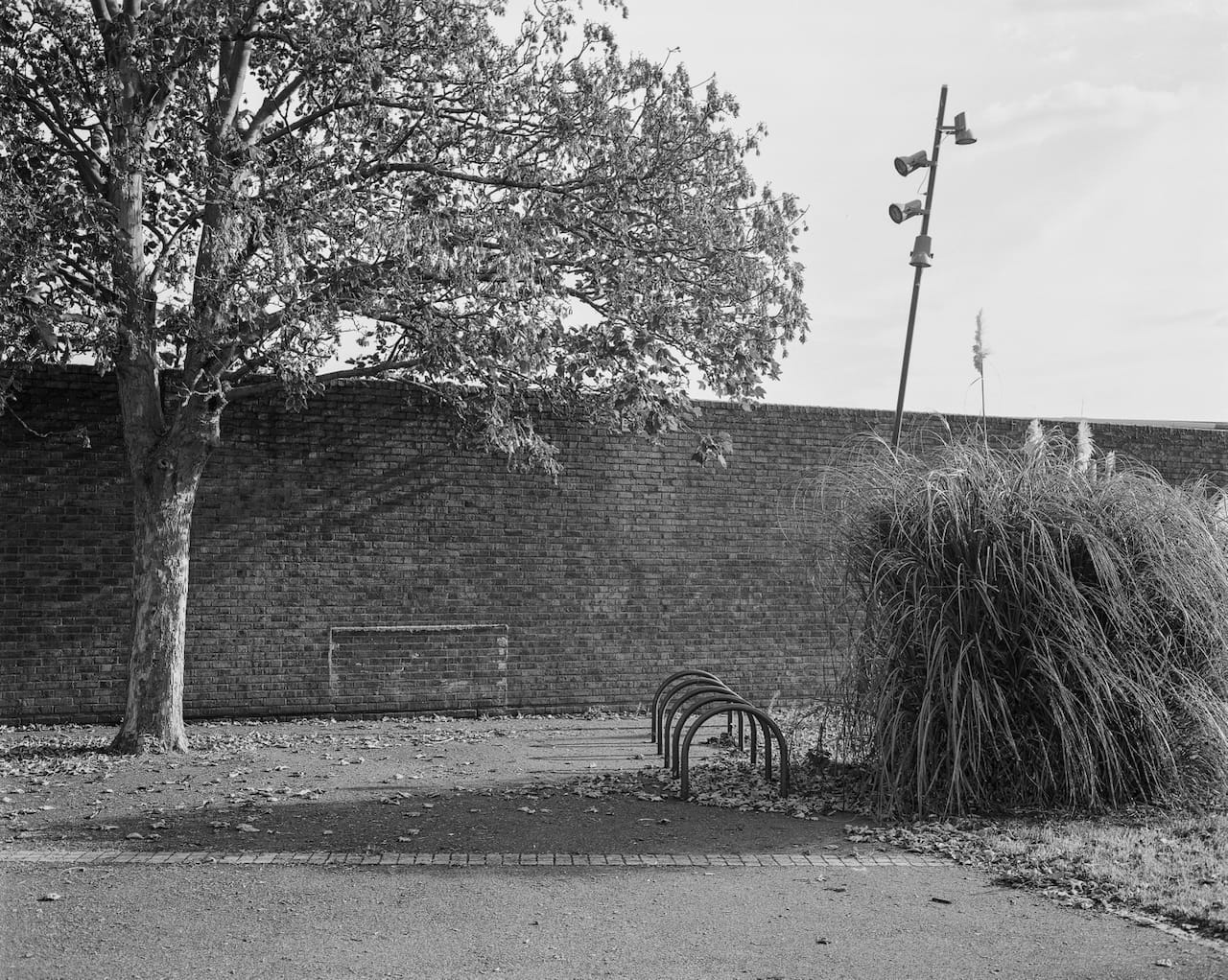
Cut is the branch that might have grown full straight
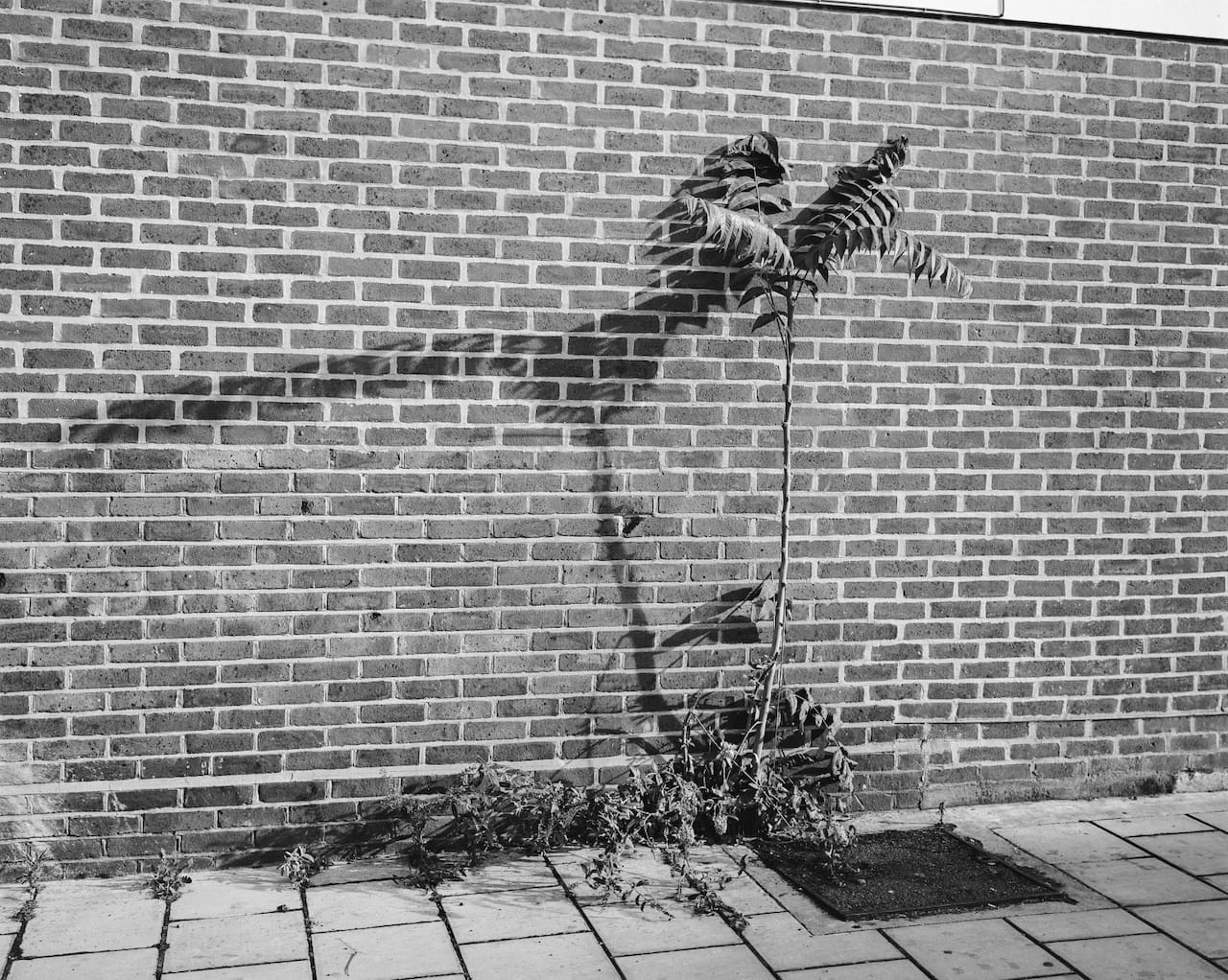
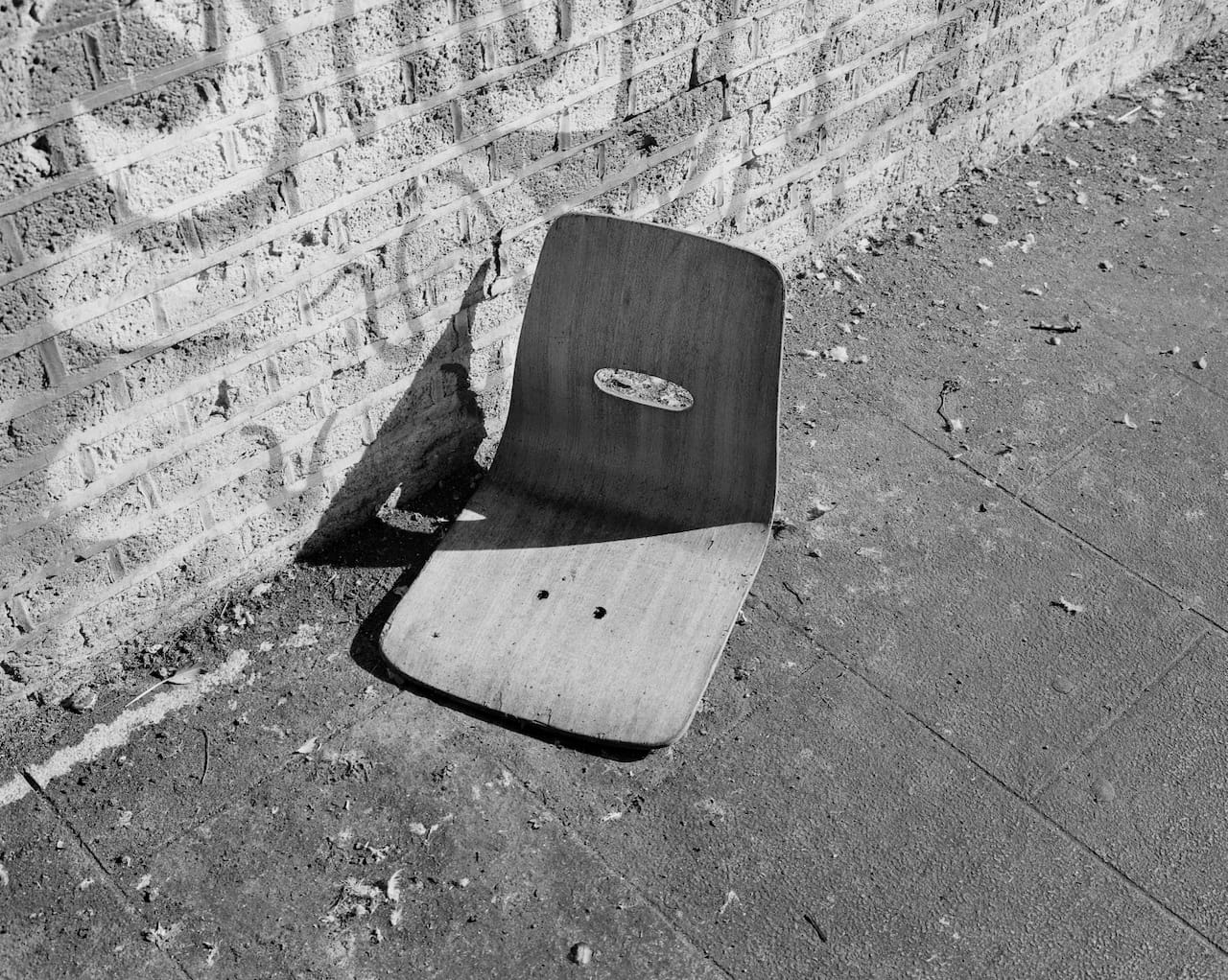
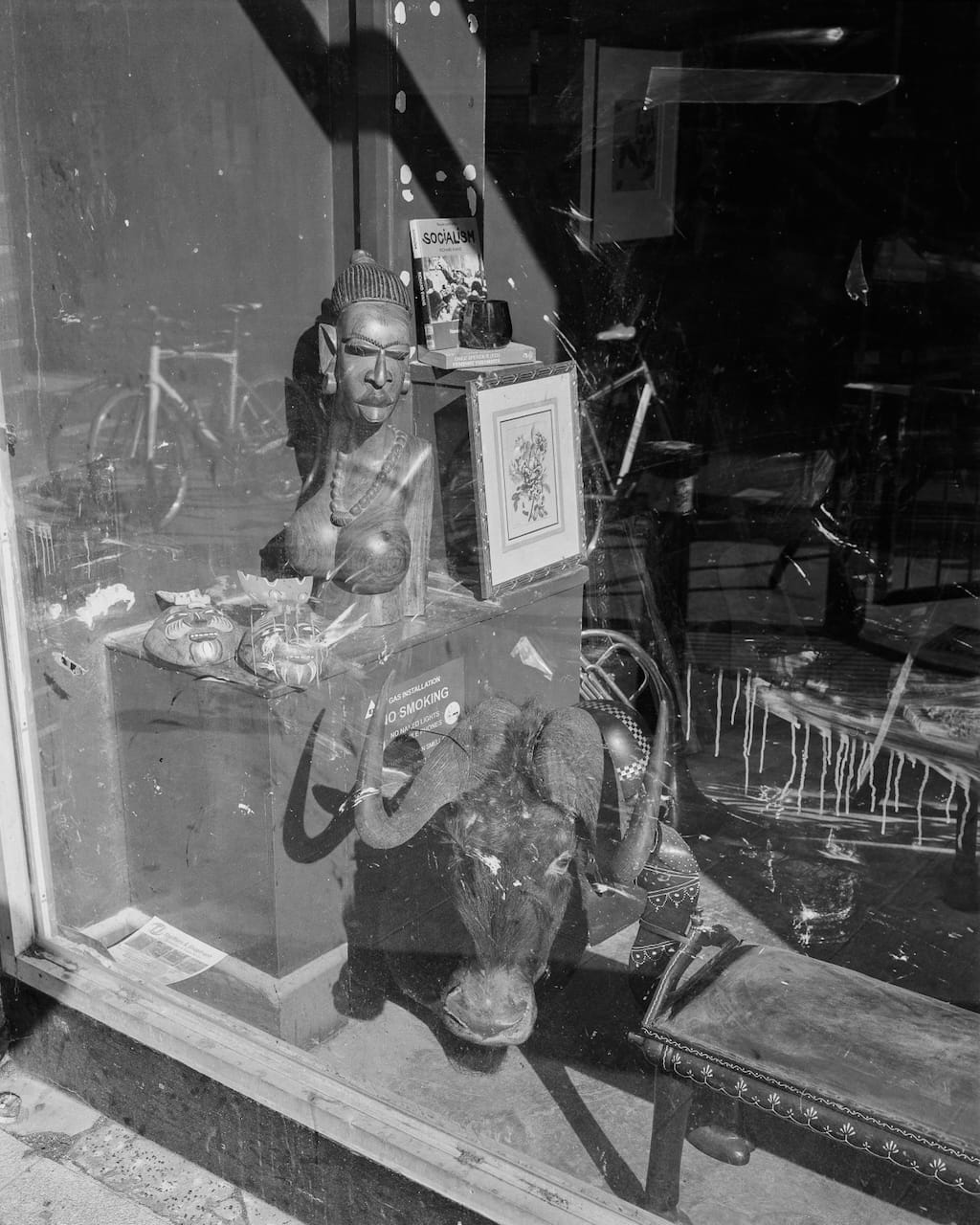
Why, this is hell, nor am I out of it.
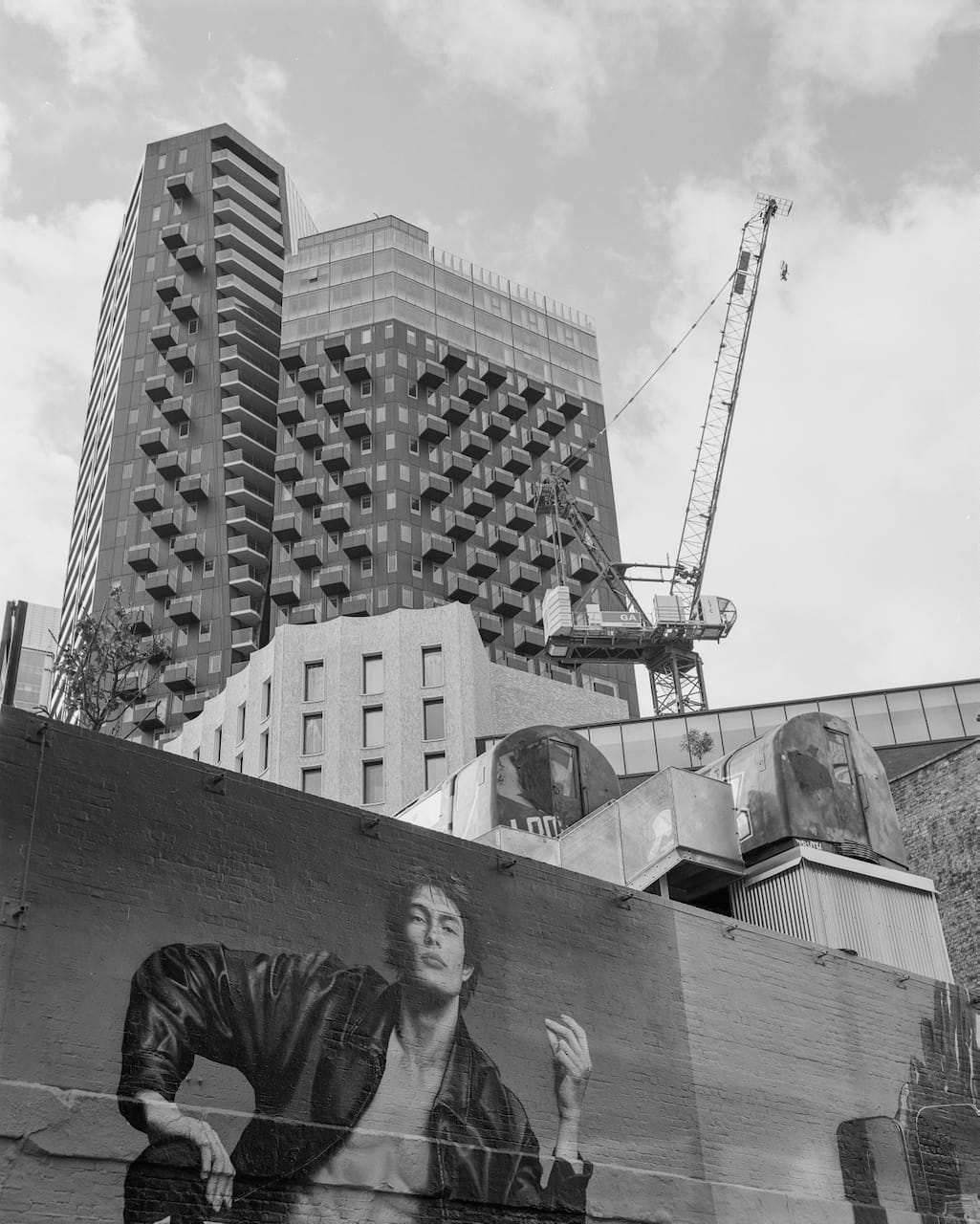
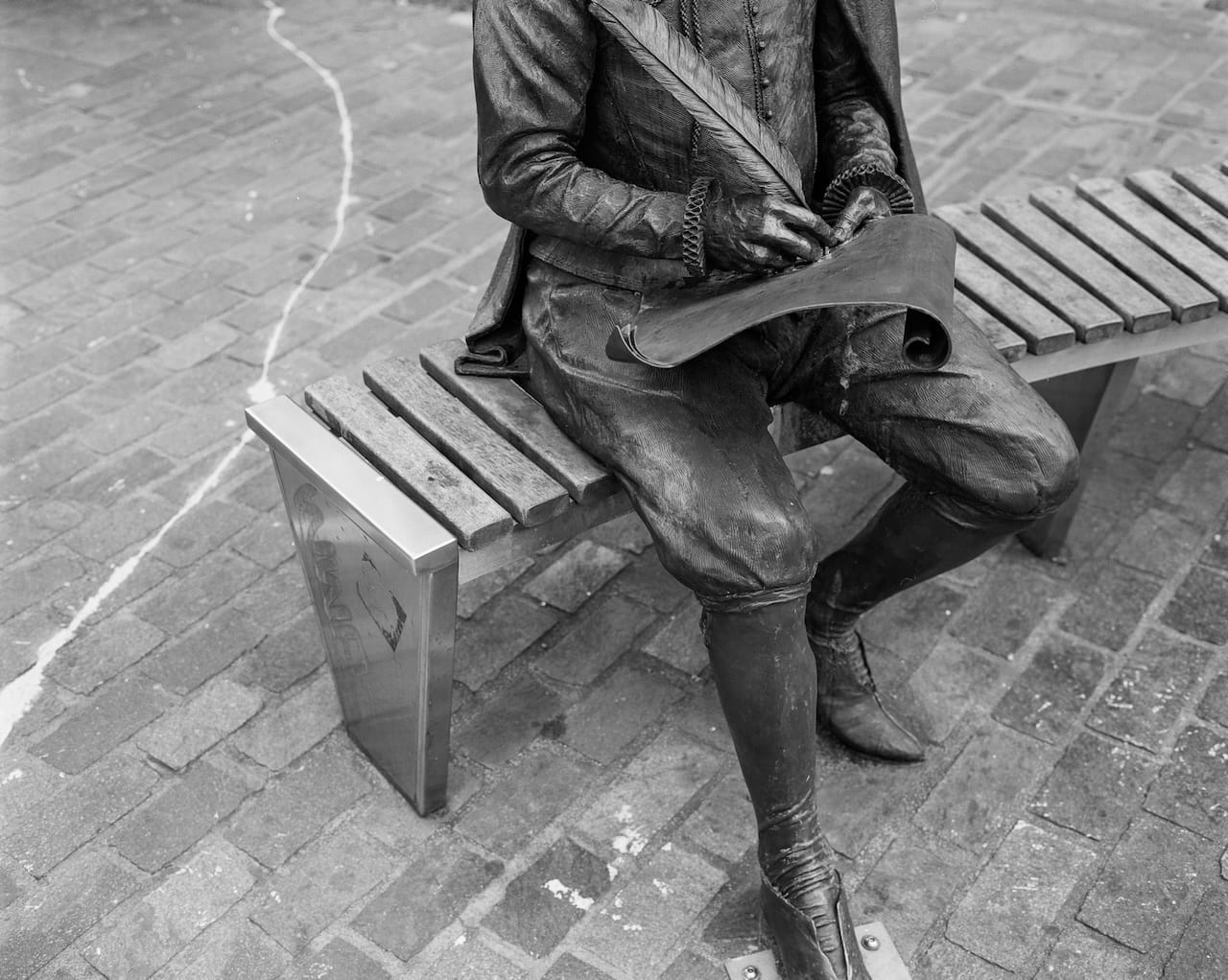
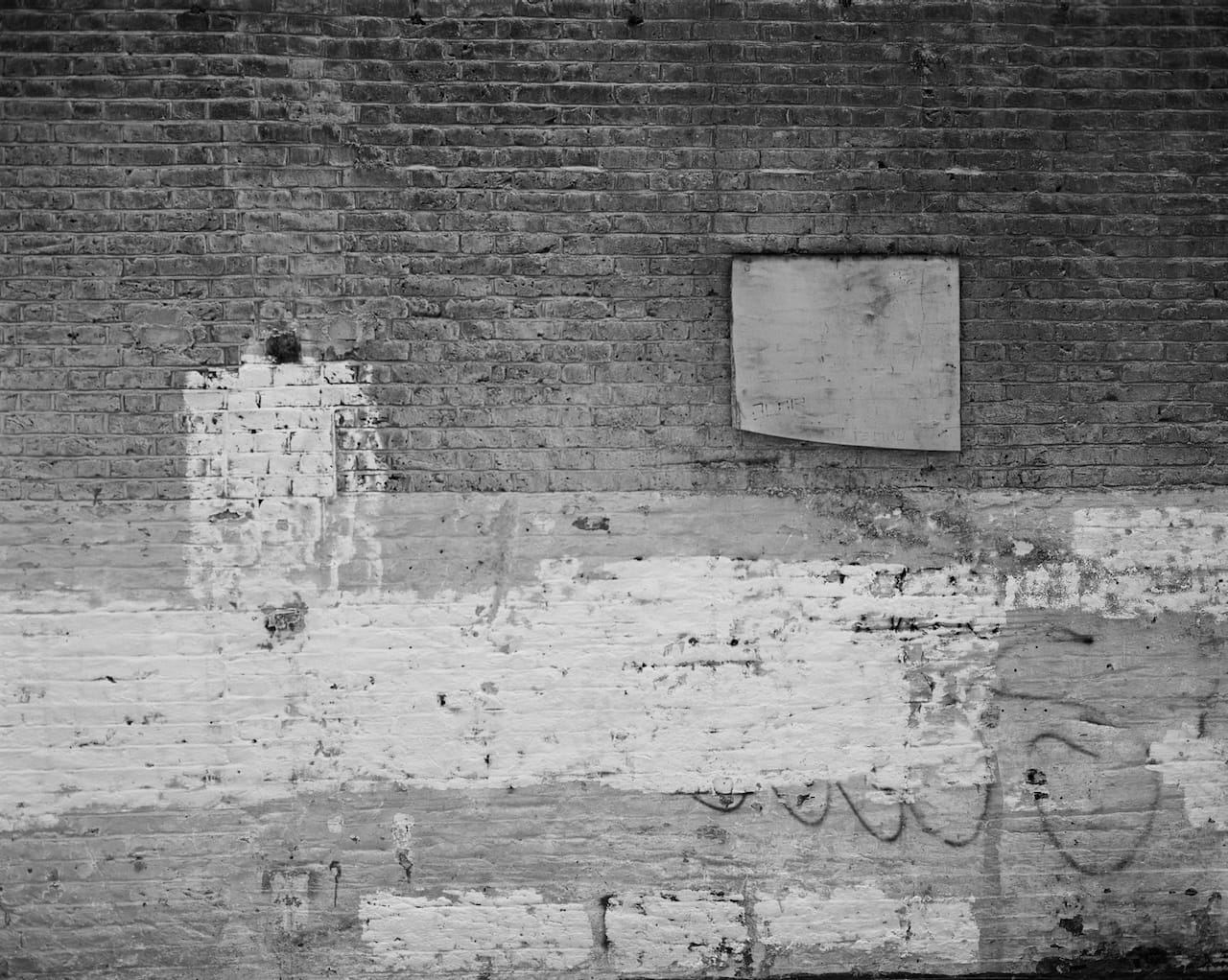
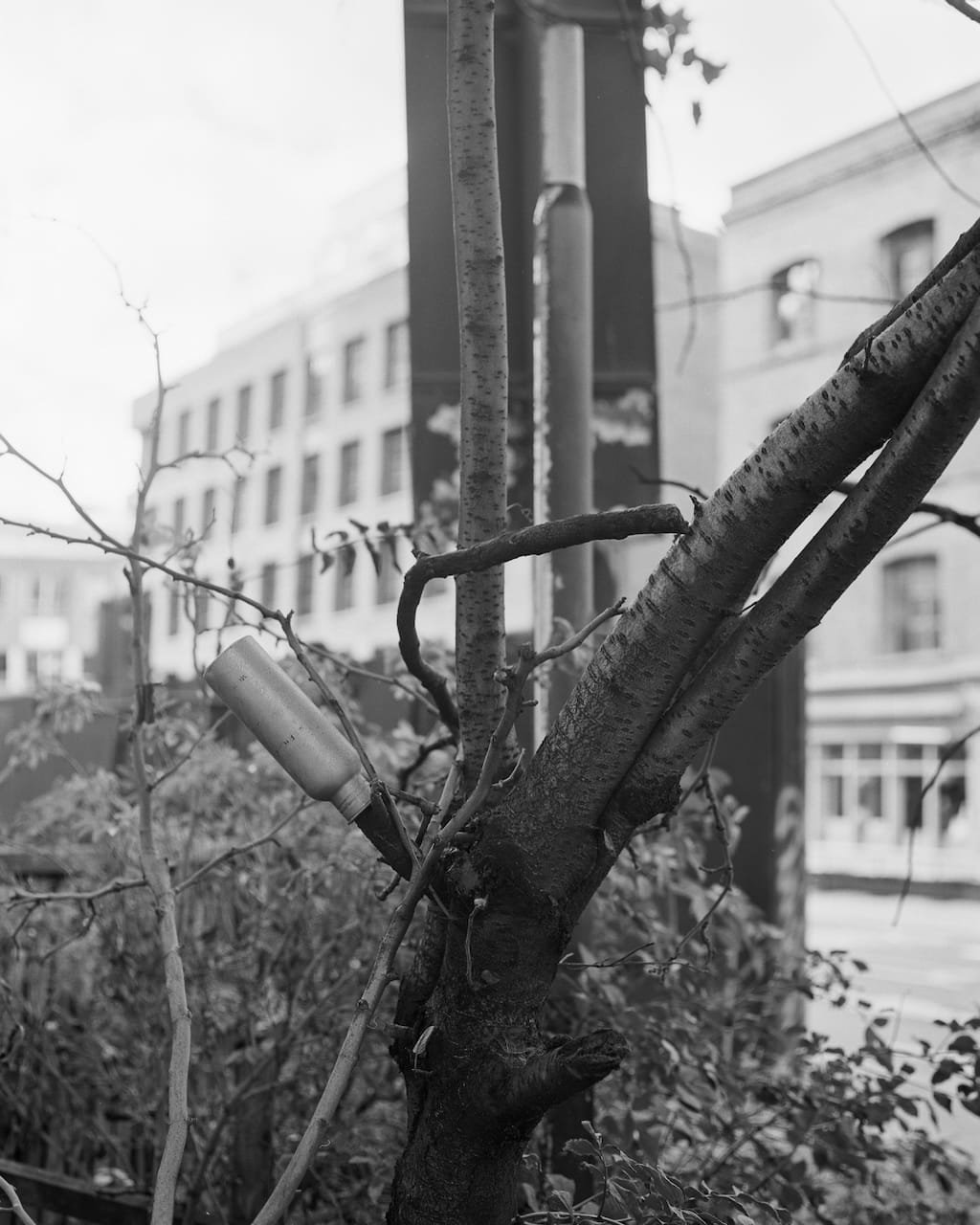
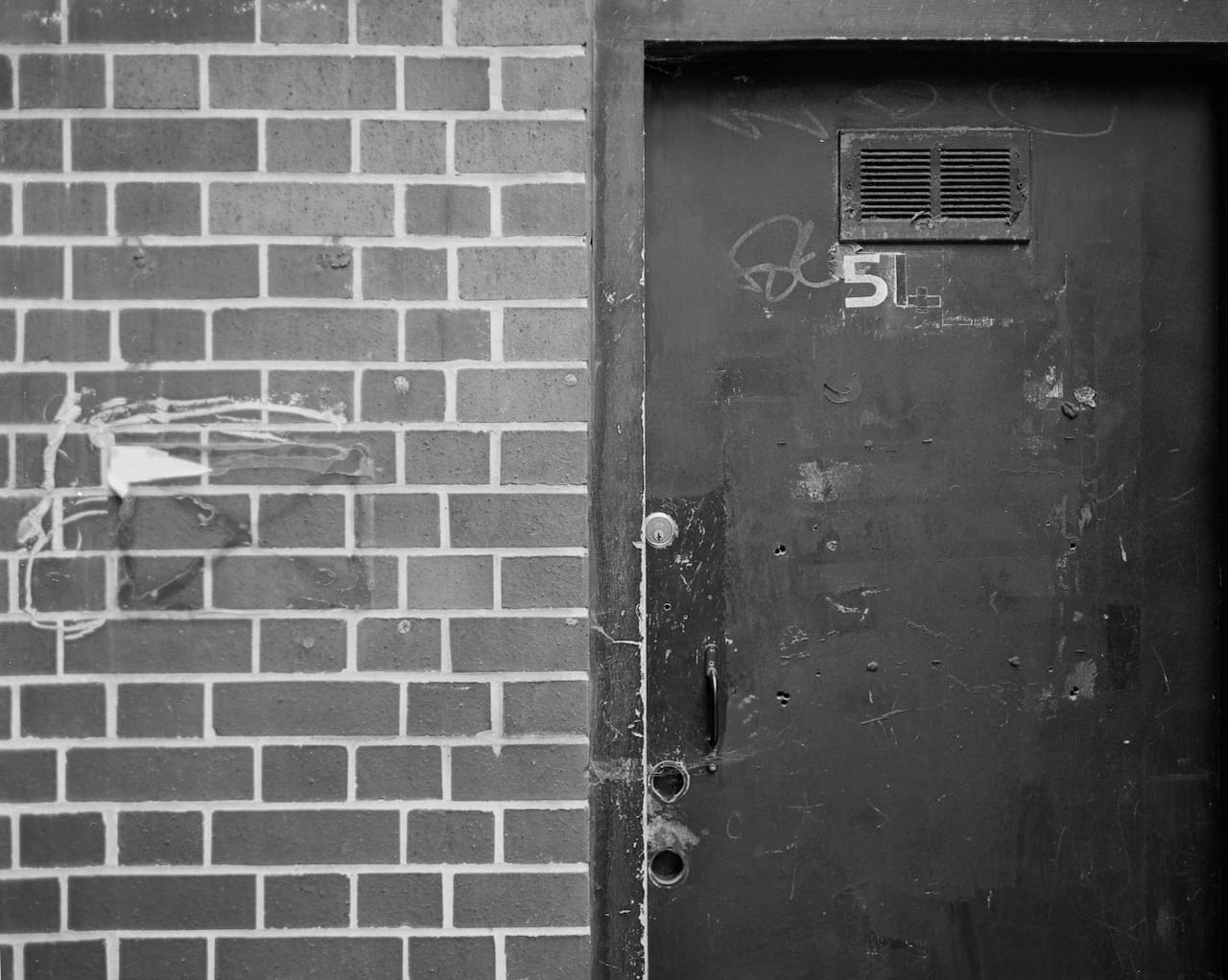
Homo, fuge!
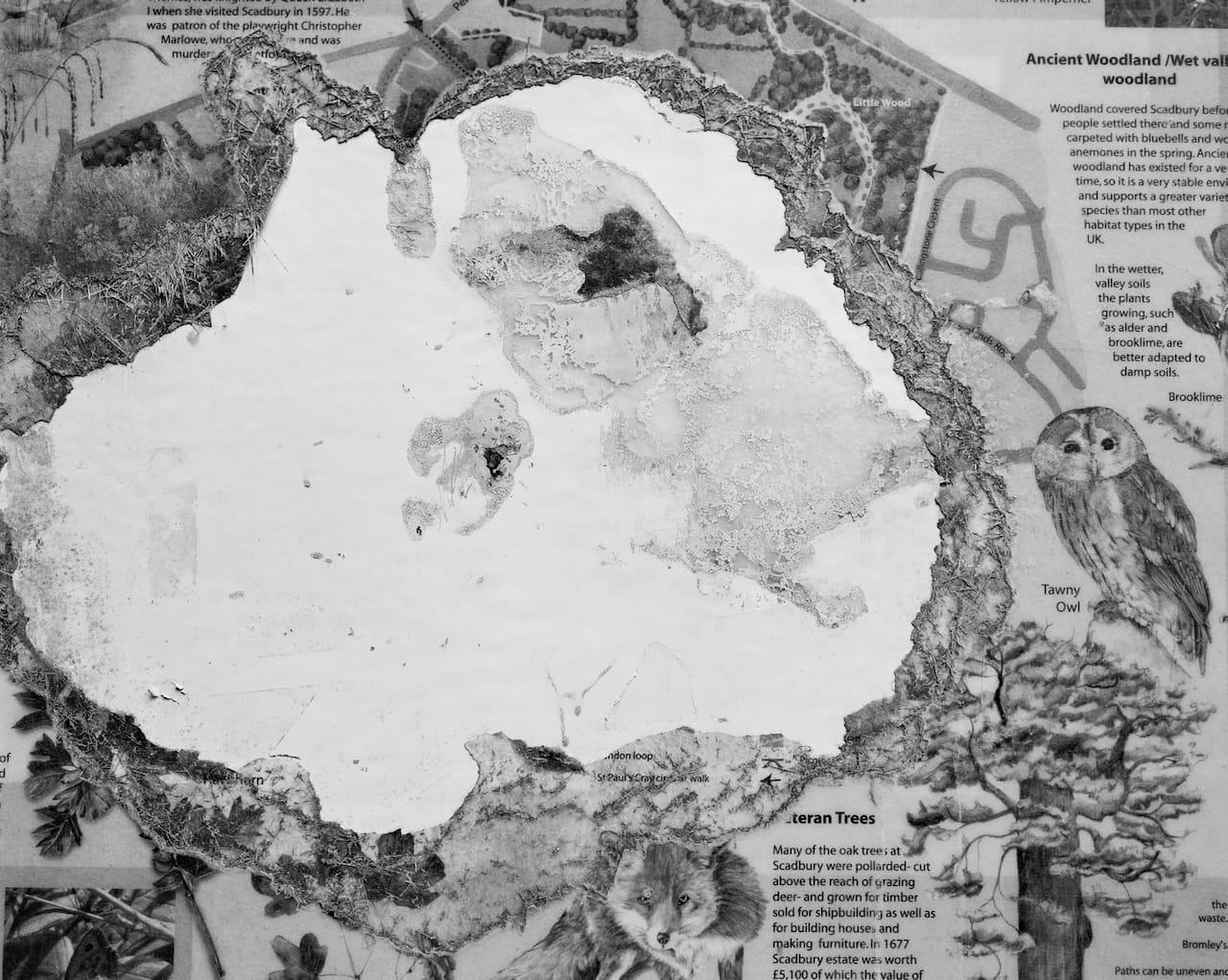
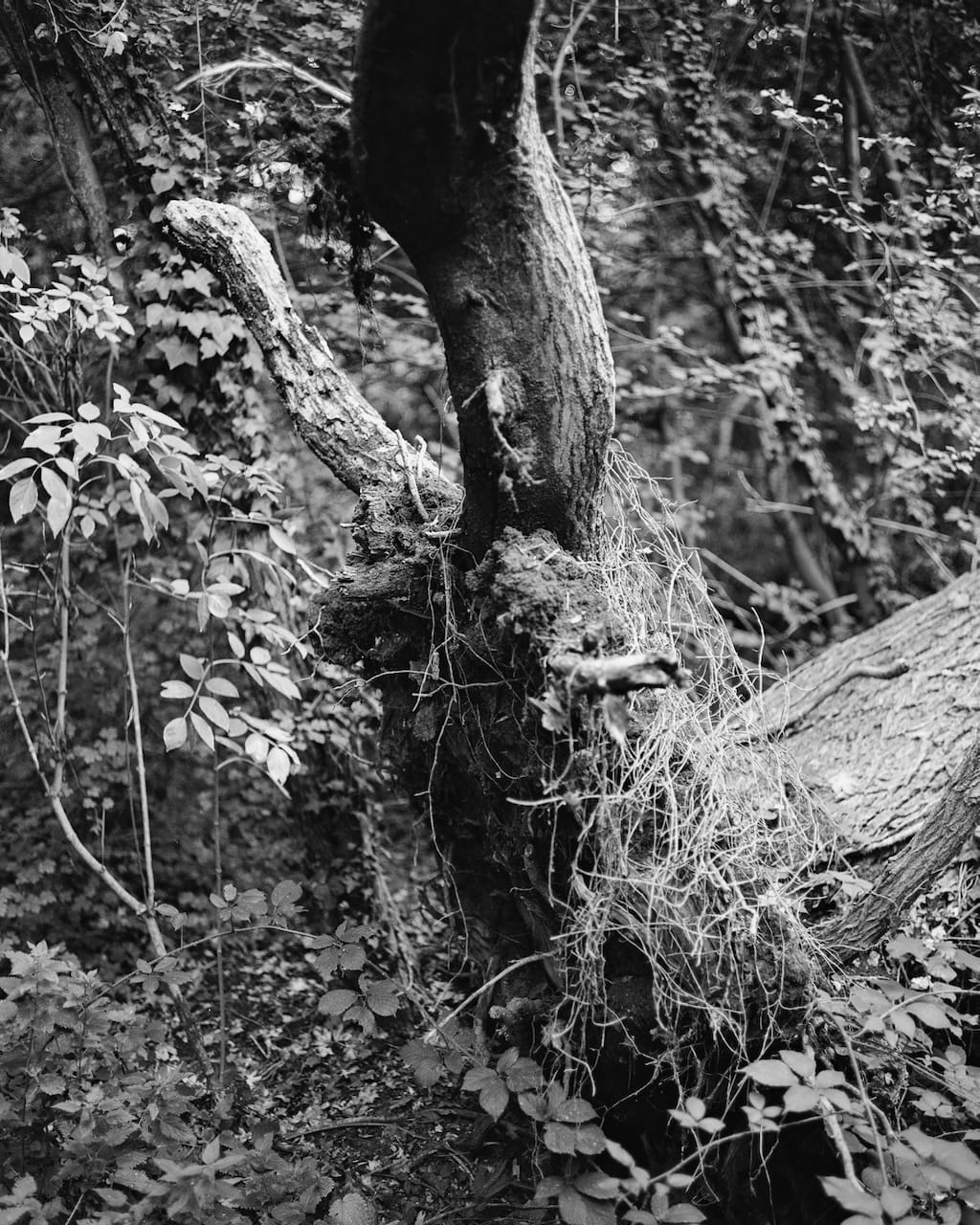
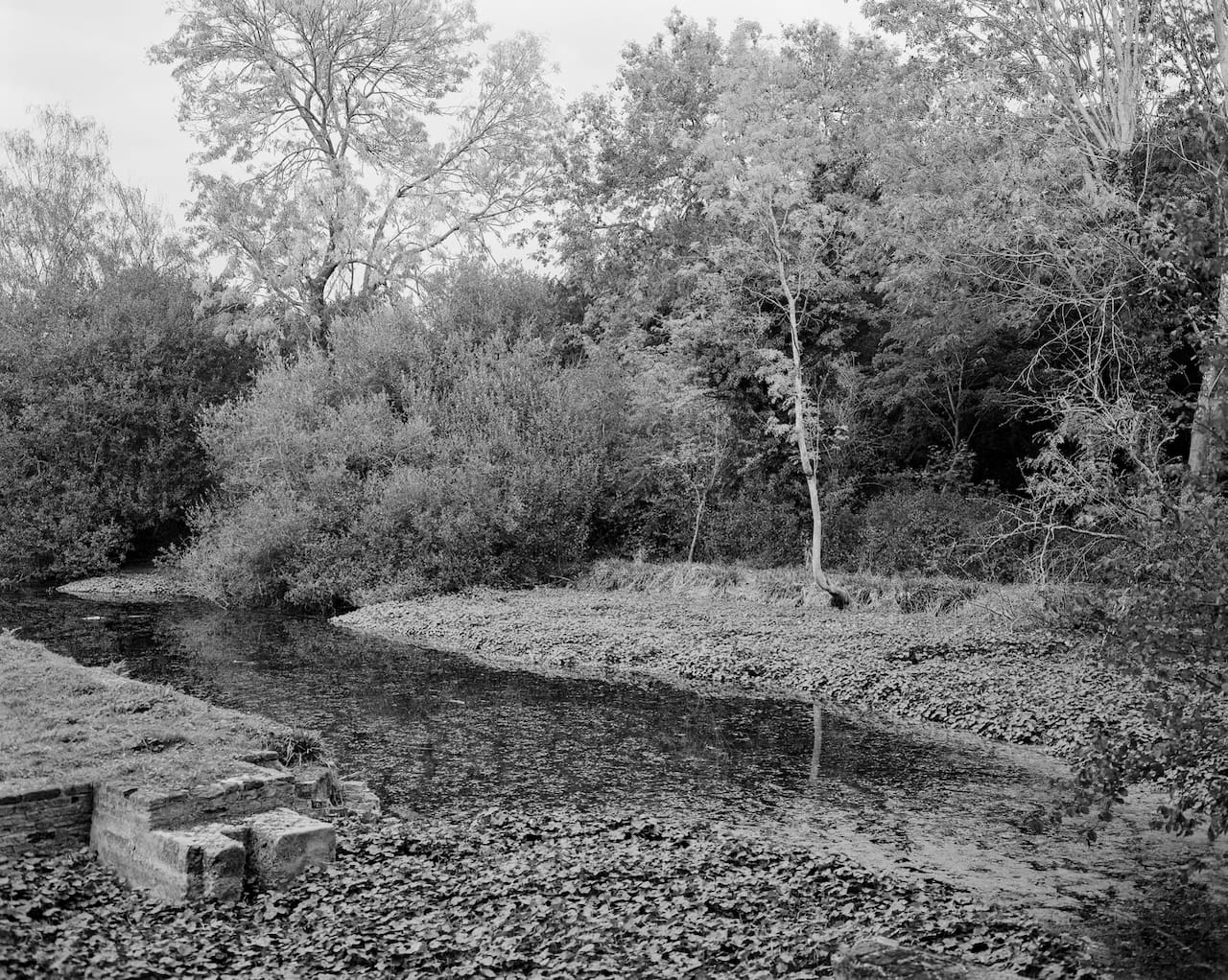
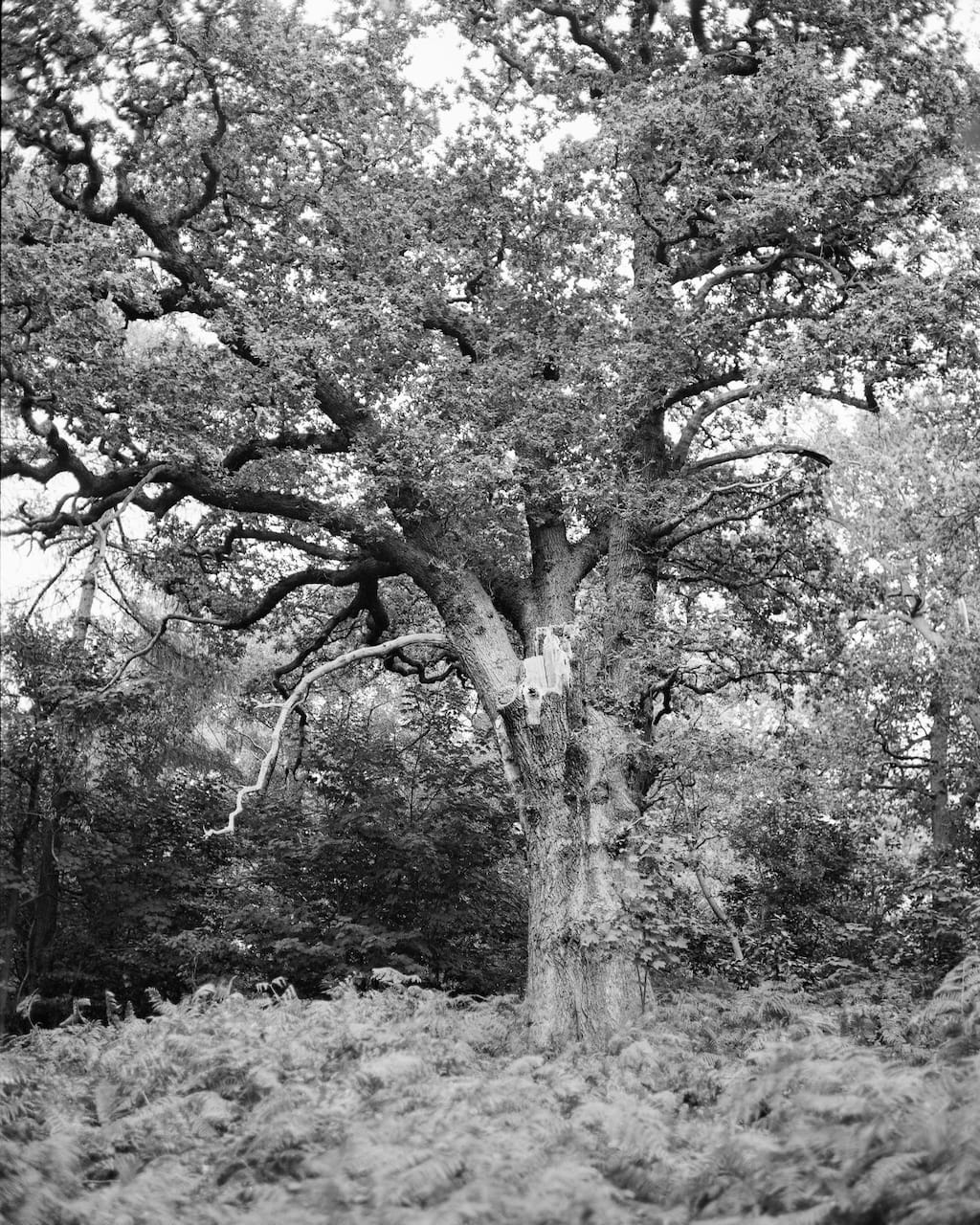
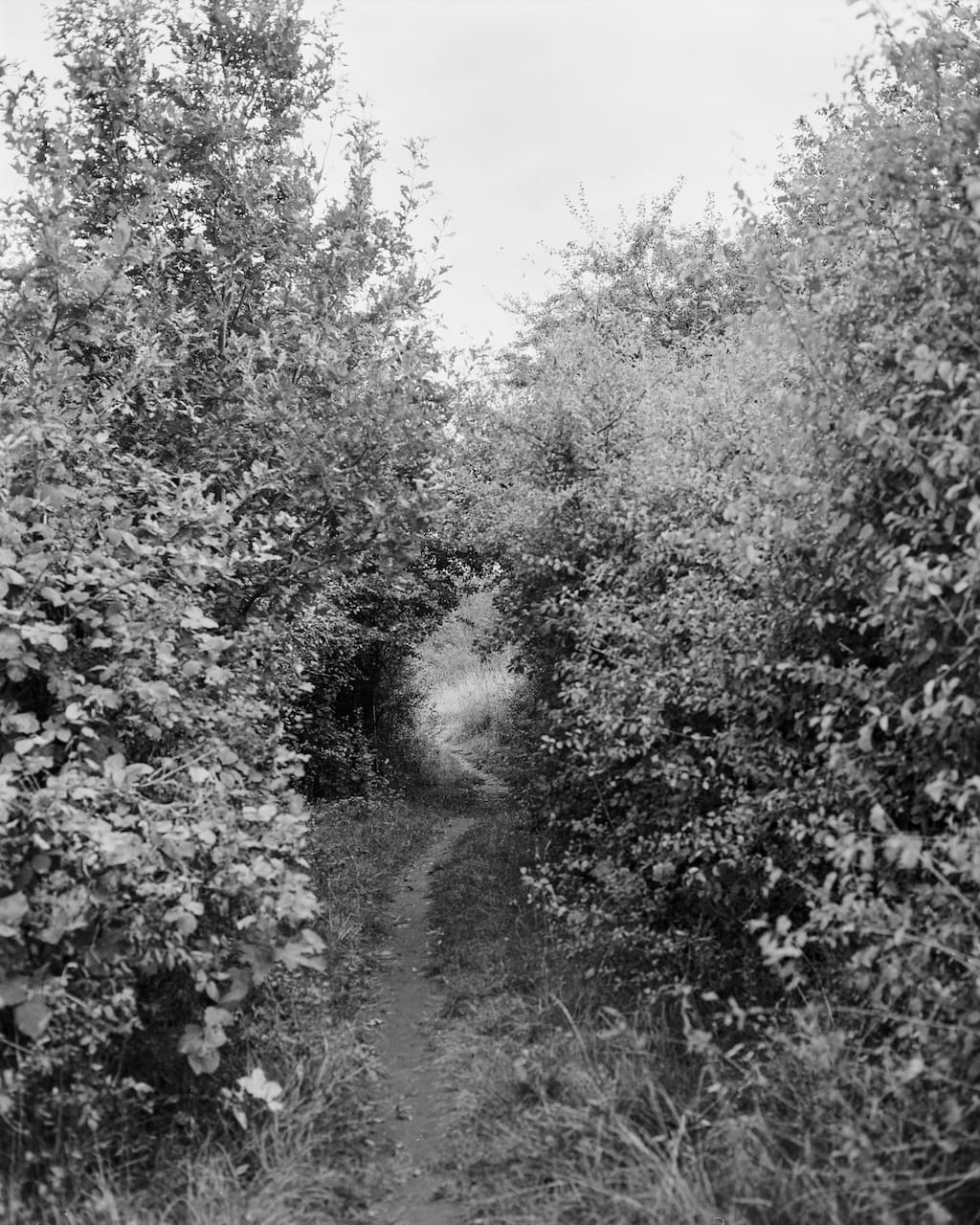
The stars move still, time runs, the clock will strike.
What's left
Looking back at the scans, I found things I hadn't seen when I took them: a smudged, blood-like stain on a corner; a painted wall with skull-like 'eyes' and 'teeth'; the torso of a tree with a metal sleeve for an arm; a constellation of silver globes. I didn't go looking for omens although, inevitably, they turned up. Hans saw the Devil in Daguerre's boulevard and Kristian saw a man reading a newspaper.
I have just finished the novel. I know Kristian gets his years of success, because the older man telling the story looks back on them from an island off the Norwegian coast. I know he intends to die, and I think I understand why, but I don’t know if he follows through. Perhaps he’s already in hell. The clock hasn‘t struck yet.
Thanks for reading PhotoPedagogy! Subscribe for free to receive new posts.
These posts will always be free but, if you enjoy reading them, you can support my analogue photography habit, and that of my students, by contributing to the film fund. Thanks to those of you who have already done so. All donations of whatever size are very gratefully received.
* A strange mixture of Stephen Shore and Lewis Baltz maybe?