Walking with Guido #9
Dark Matter.
A note before we set off. This walk began with an article worrying that AI will finish off the photograph as a reliable witness and it’s been a longer than usual dérive, turning up old memories and half-buried associations. Guido is my AI photography guide, and what follows is one of our longer rambles, slow and iterative, cautious and careful, the opposite of what these tools generally promise. If #7 and #8 were mostly about what shows through, the layer you can glimpse beneath the surface, this one is about what does not show at all. I haven’t reproduced the whole exchange, only distilled it. If you are new here, #1 is the place to start.
It all began with an old grievance. Fred Ritchin, who has been mourning the photograph’s loss of authority since the 1980s, was sounding the alarm again, this time with the deepfake expert Hany Farid for company. Photojournalists ask us to trust them as witnesses, and a flood of convincing fakes threatens that trust. Ritchin uses the famous photograph of a young girl burned by napalm as his example, and sides without hesitation with Nick Ut, the photographer always credited with it. That detail is what prompted the walk. The authorship of that picture is now in dispute and a dispute about who made an image is really a dispute about reliability and provenance, which is exactly what the whole panic is about.
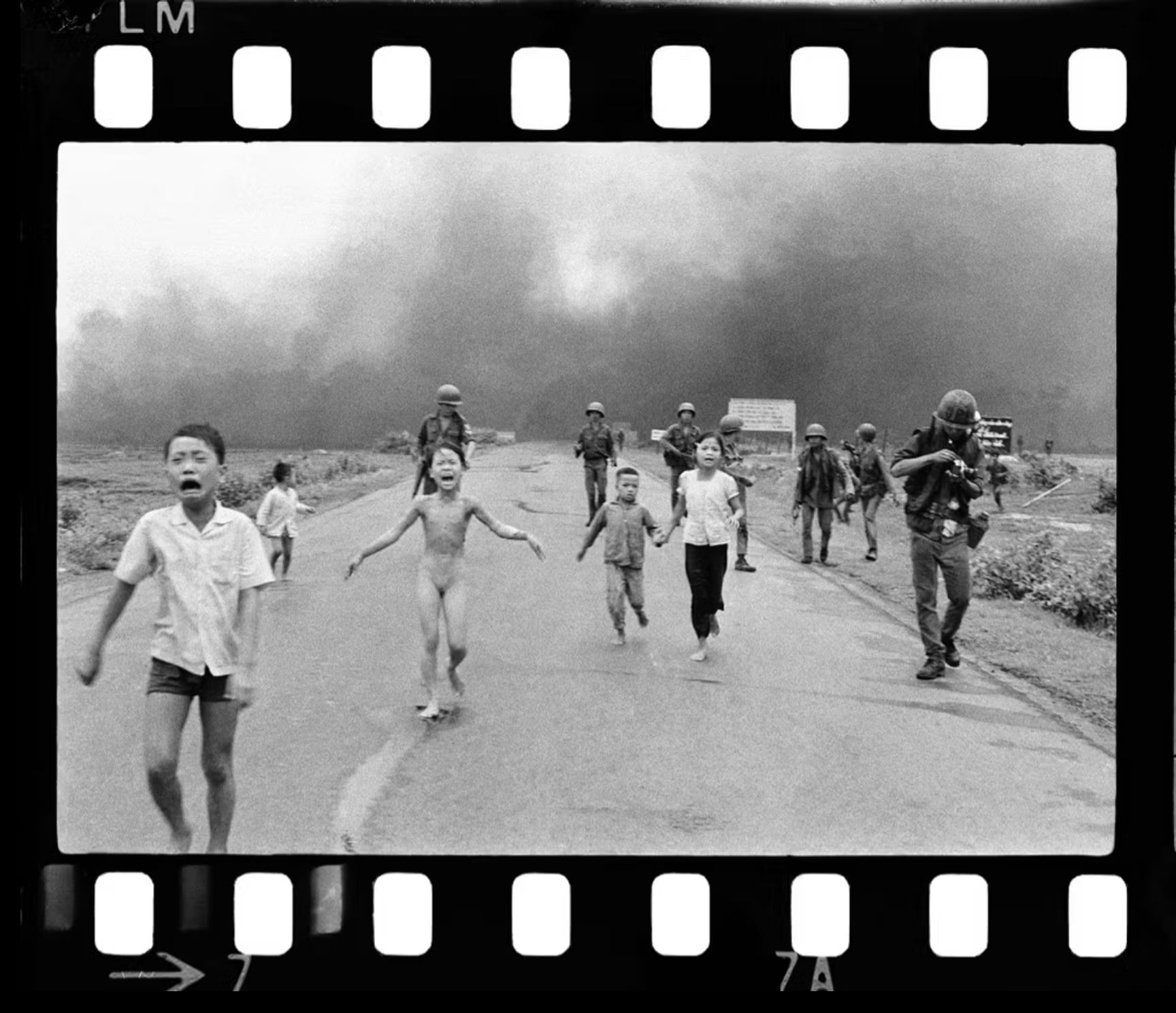
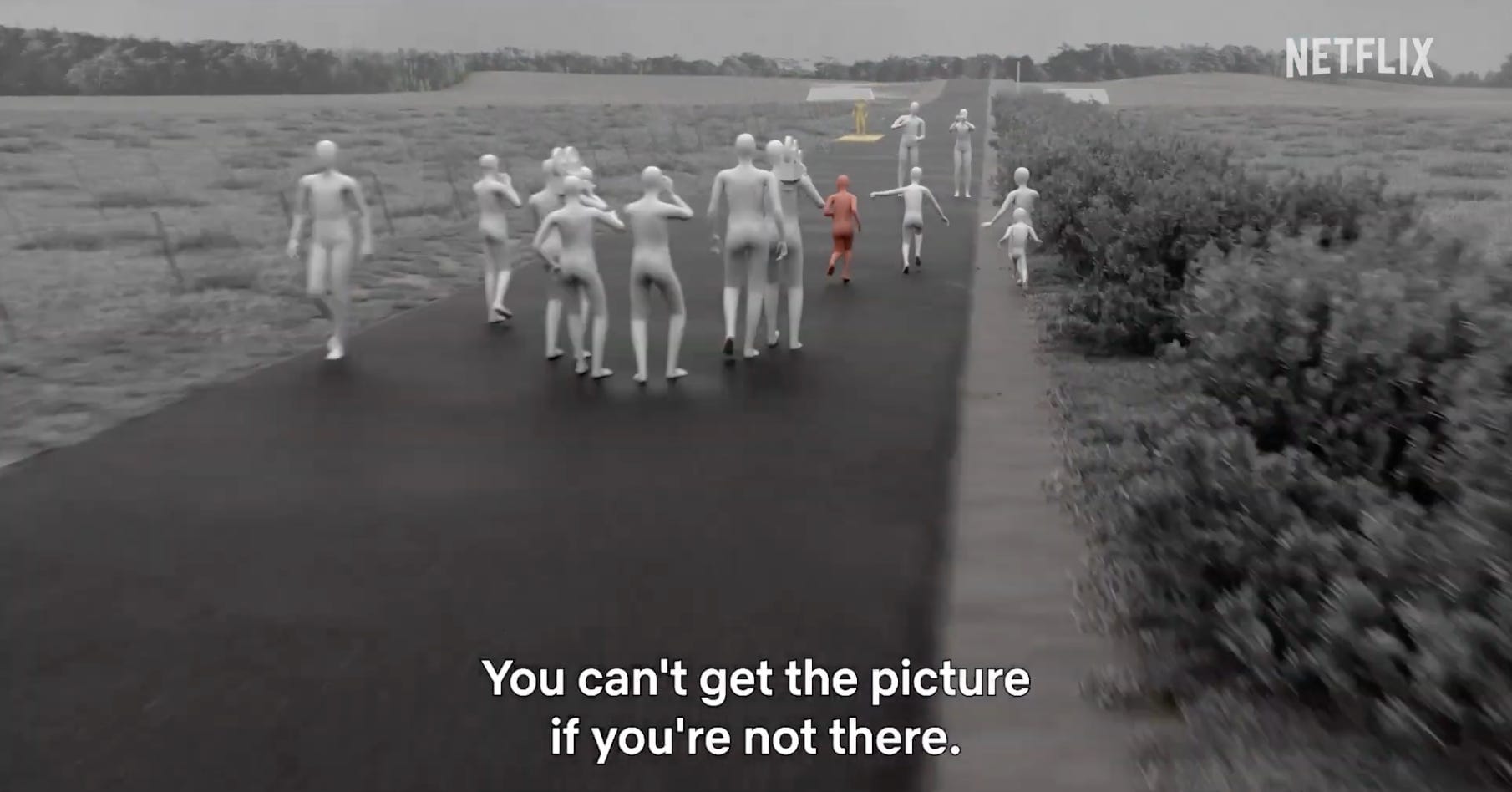
Guido and I started looking together at the photograph. A nine year old girl is running down a road outside Saigon in 1972, horribly burned, arms spread wide, her mouth open. What gives it its terrible authority is that we believe that it happened. The light bounced off that child and marked the film. Bazin called the photograph a kind of relic. Barthes called it the that-has-been. It’s the one thing a drawing can’t do.
And then the dark matter started to show.
The picture we all know is a crop. The fuller frame includes, on the right, a photographer calmly reloading his camera while the child suffers. The helmeted figures who appear to be soldiers were other correspondents. The smoke was made more menacing in the printing. Apparently, there was a quieter, side-on frame from the same minute that an editor preferred at the time and it’s gone missing from the archive. The icon is a selection out of a selection. Its meaning was assembled afterwards, in the framing and in the choice of which frame survived. The truth was never sitting in the silver. The work of photography is mostly in the selecting and sequencing and contextualising and presenting, the editorial decisions that happen after the shutter and leave no mark on the negative.
Guido did the spadework on what came next, the part that would have been tricky to assemble on my own. In 2025 a documentary claimed the photograph was not taken by Ut at all, but by a Vietnamese stringer named Nguyen Thanh Nghe, paid his twenty dollars and sent on his way. The Associated Press investigated twice and stood by Ut. World Press Photo suspended the attribution and declined to award it to anyone. The fight is unresolved and may stay that way. But look at what’s not in dispute. Nobody doubts that a real child was really burned and really ran down that road. World Press Photo went out of its way to say the photograph itself remains undisputed. The indexical truth, the part AI is supposed to be killing, is the one part of this image that has never wobbled. What is contested is whose finger pressed the shutter.
Guido helped me prise apart two distinct things. There is attribution, the nameable and ownable author, the byline you can take to court, and Ut is currently taking it to a court in France. And there is authorship, the deed of having made the thing. The deed and the byline are not the same and the industry that defends photojournalism has every reason to make a great deal of the byline, because its whole economy, the credits and the licensing, runs on a single ownable name.
It’s the next bit of the story that really makes a difference. After the picture was taken, Ut drove Kim Phuc, the little girl he saw burned, to a hospital, threatening to tell the world if they refused her entry. She survived, and as an adult she’s always credited Ut and her faith in his kindness has become a kind of evidence in the dispute. It’s the warmest possible sort of proof and has nothing to do with geometry or logbooks. It’s testimony; the trust we place in a person.
That imagined image, of a man carrying a wounded child toward help, tenderness wrapped tight around horror, stayed with me as we continued to wander. And then a scene from my favourite film inserted itself. A feeling dredged a memory to the surface. Chabrol’s Le Boucher, about village butcher, hollowed out by France’s colonial wars, and the schoolmistress who half-loves him. She finds a cigarette lighter at the scene of a murder, a small forensic clue, an index, and cannot make herself believe what it tells her about him. At the end she drives him, bleeding, through the night to the hospital. Love and obsession and terror and empathy, all in the same car. It is the same quarrel that sits under the Napalm Girl, forensic evidence against human trust, and I only saw the rhyme because the conversation had slowed down enough to let an old feeling speak.
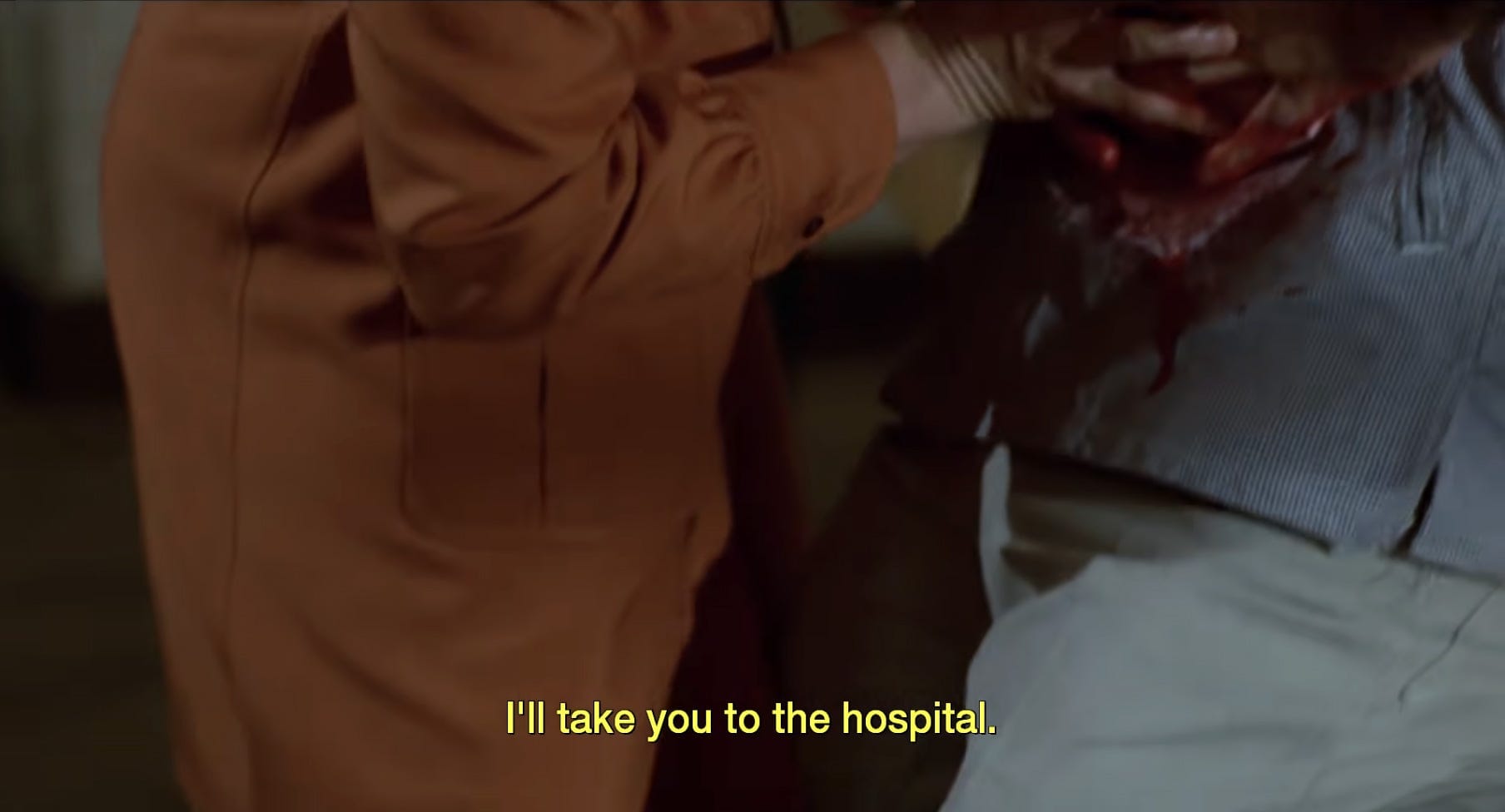
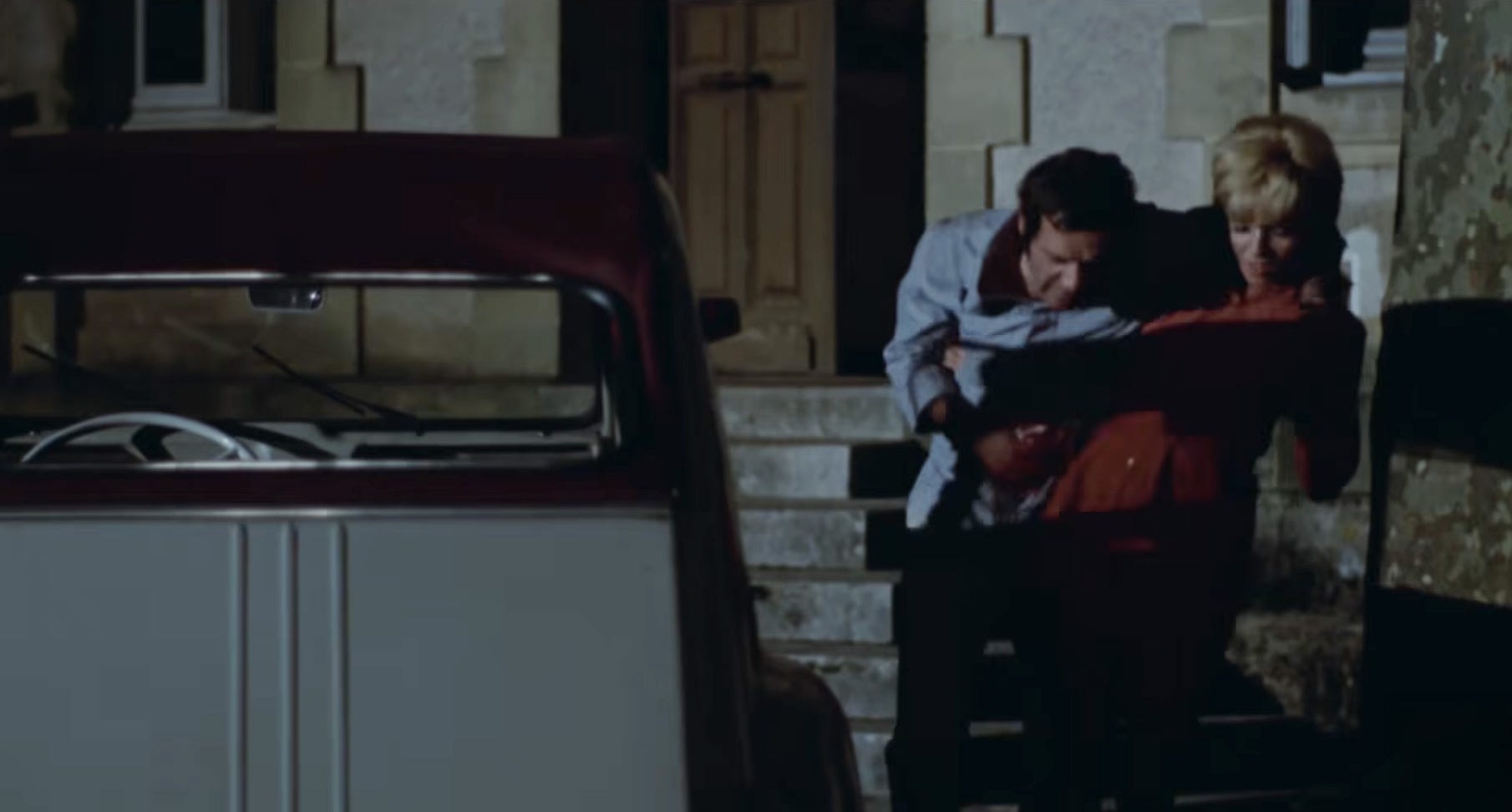
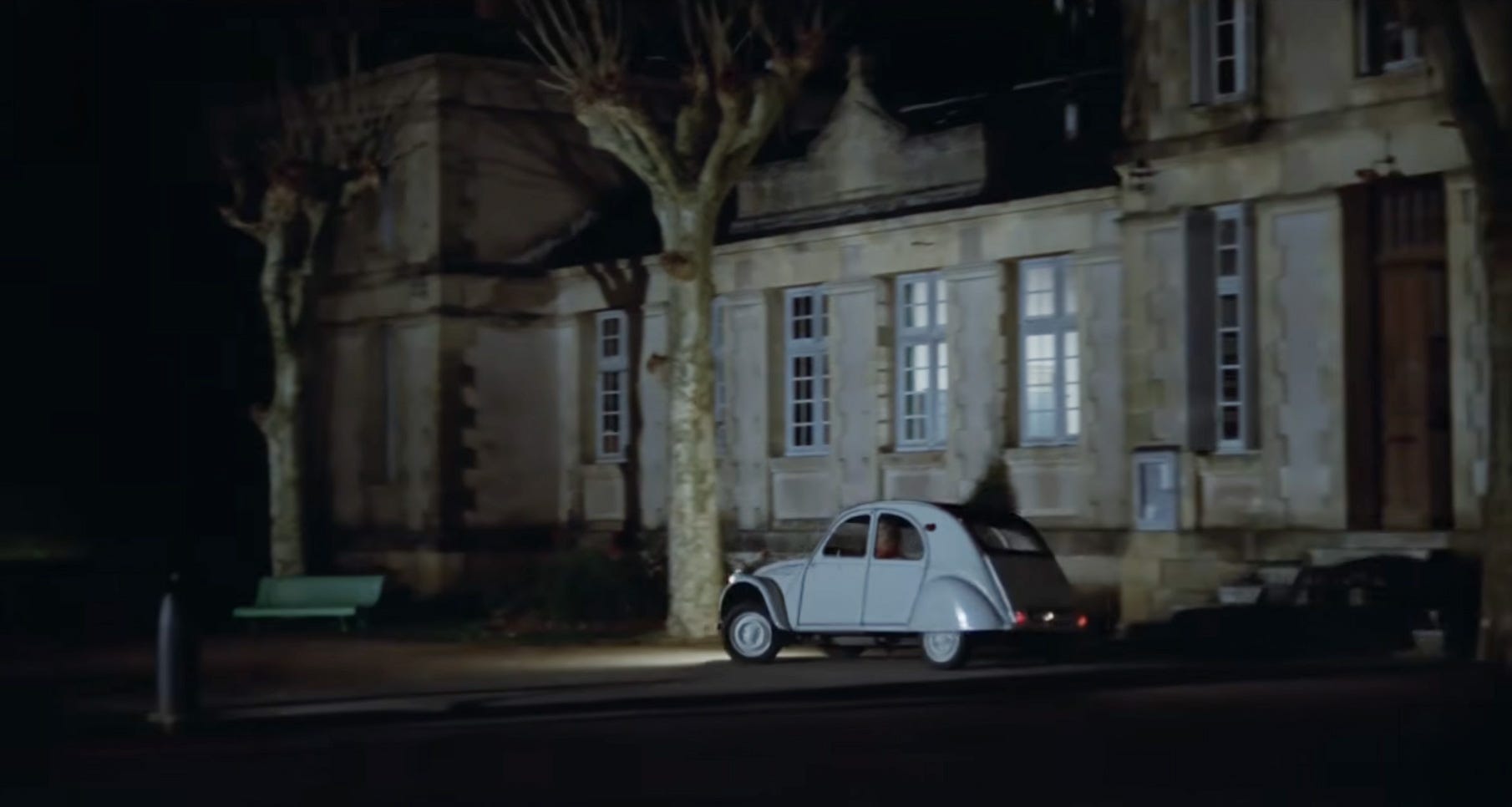
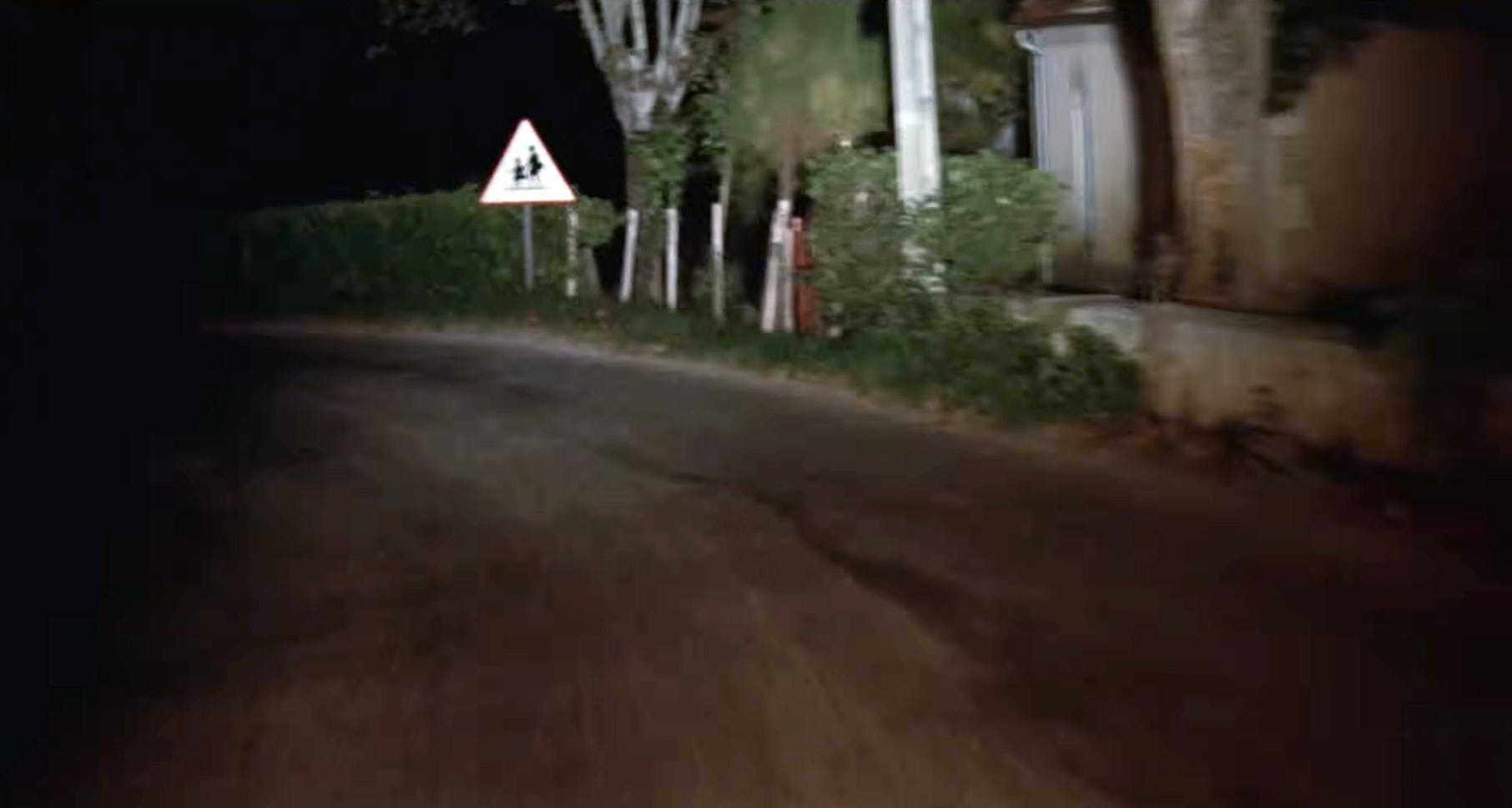
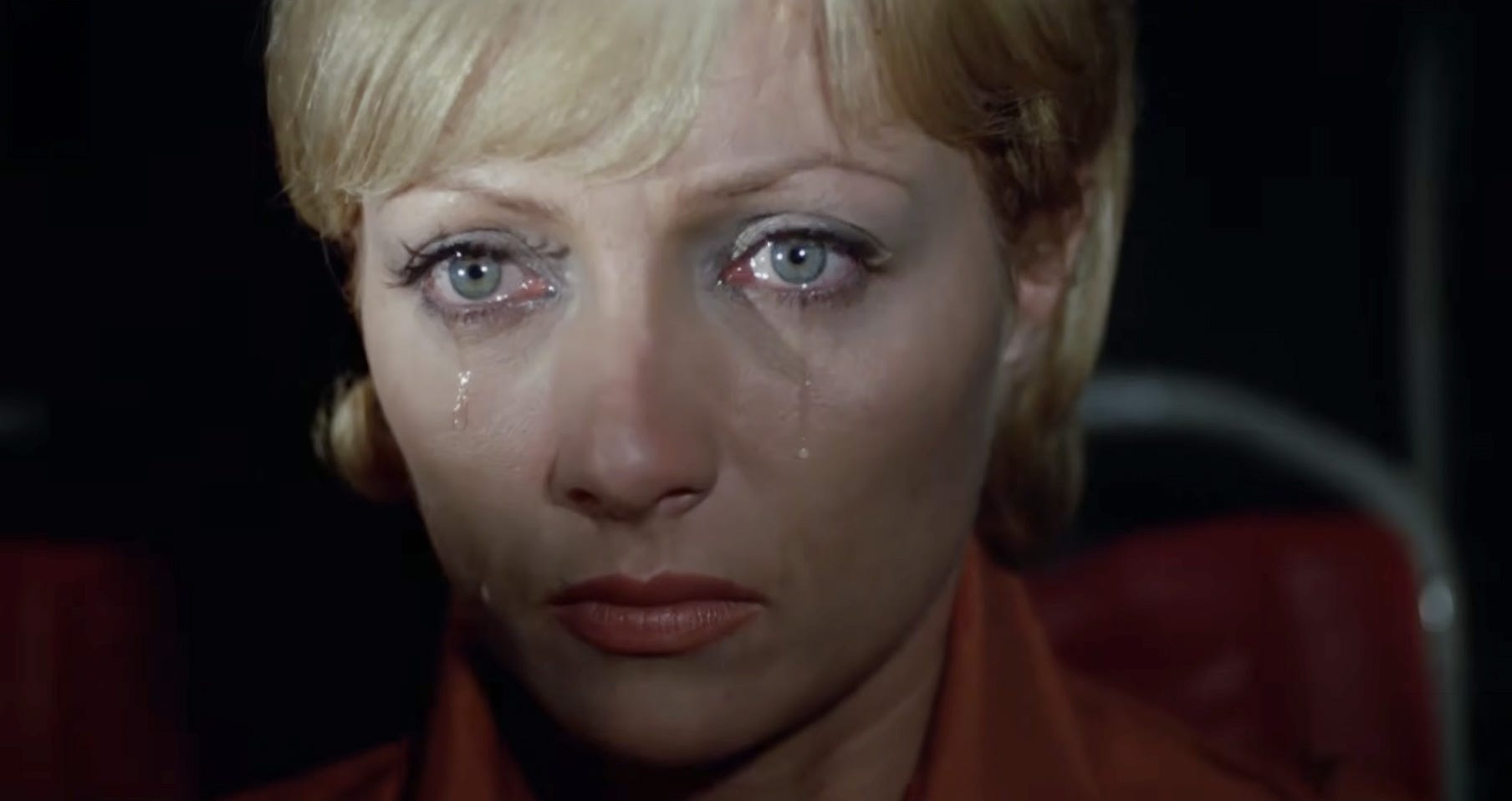
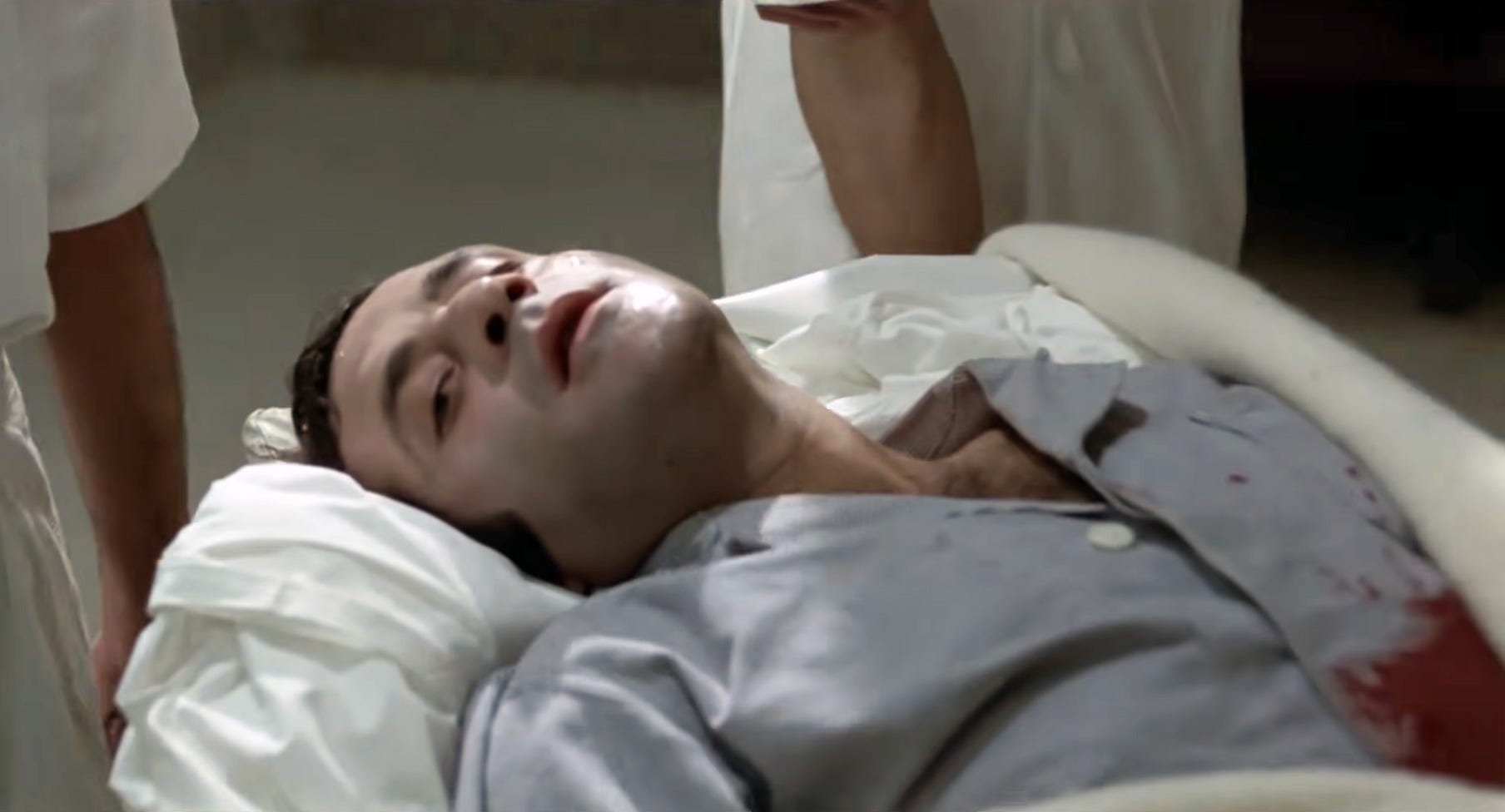
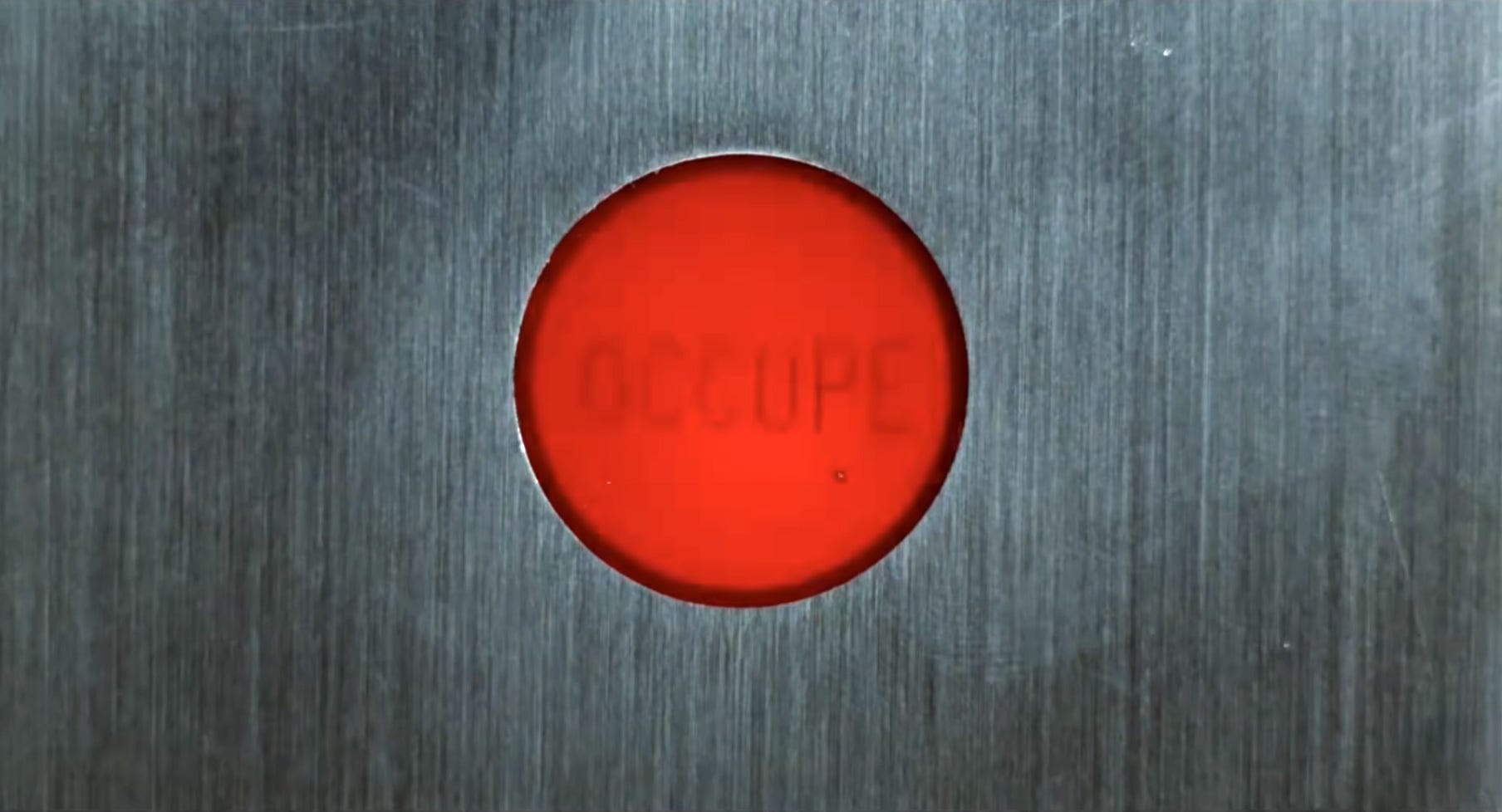
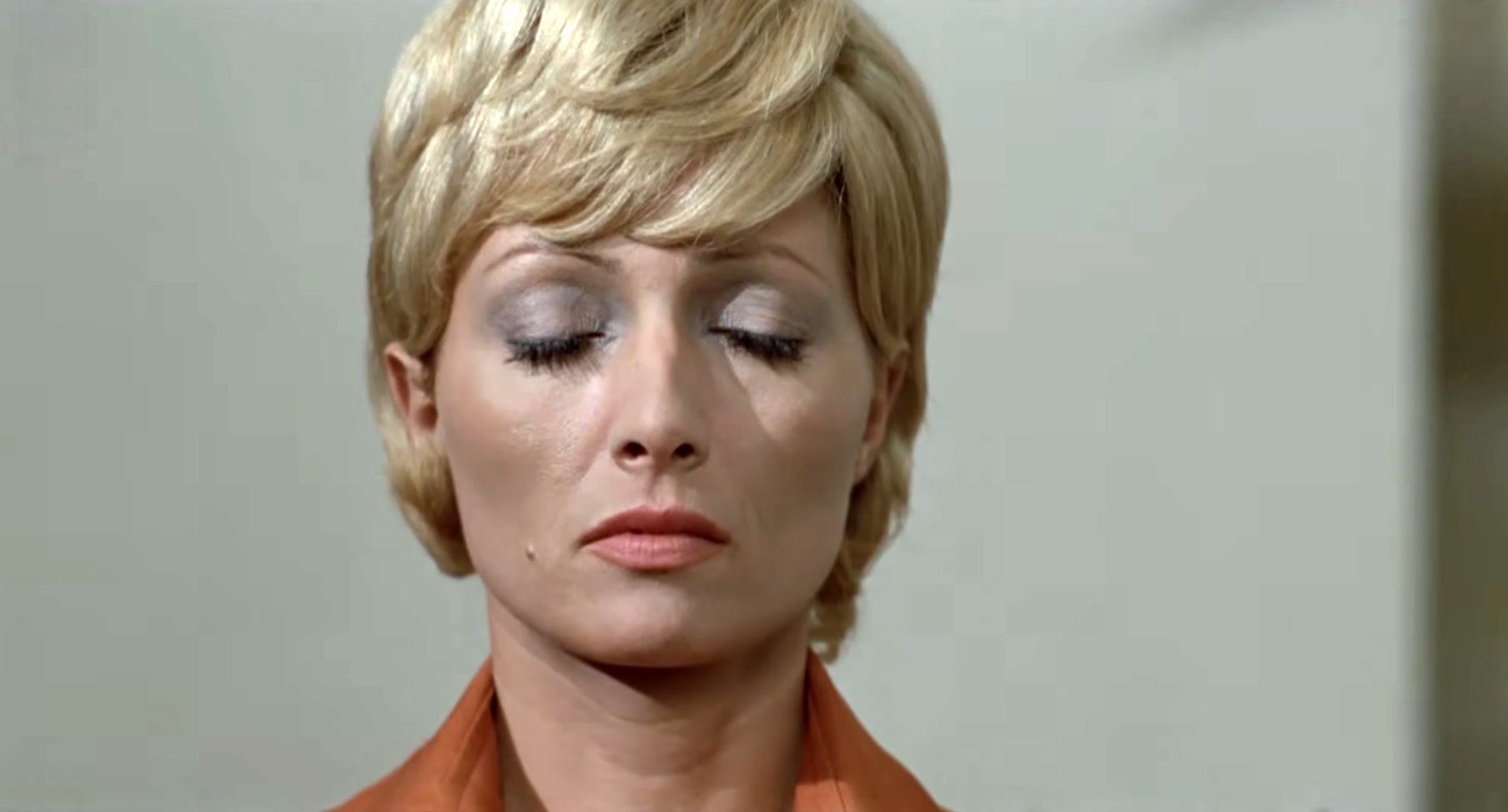
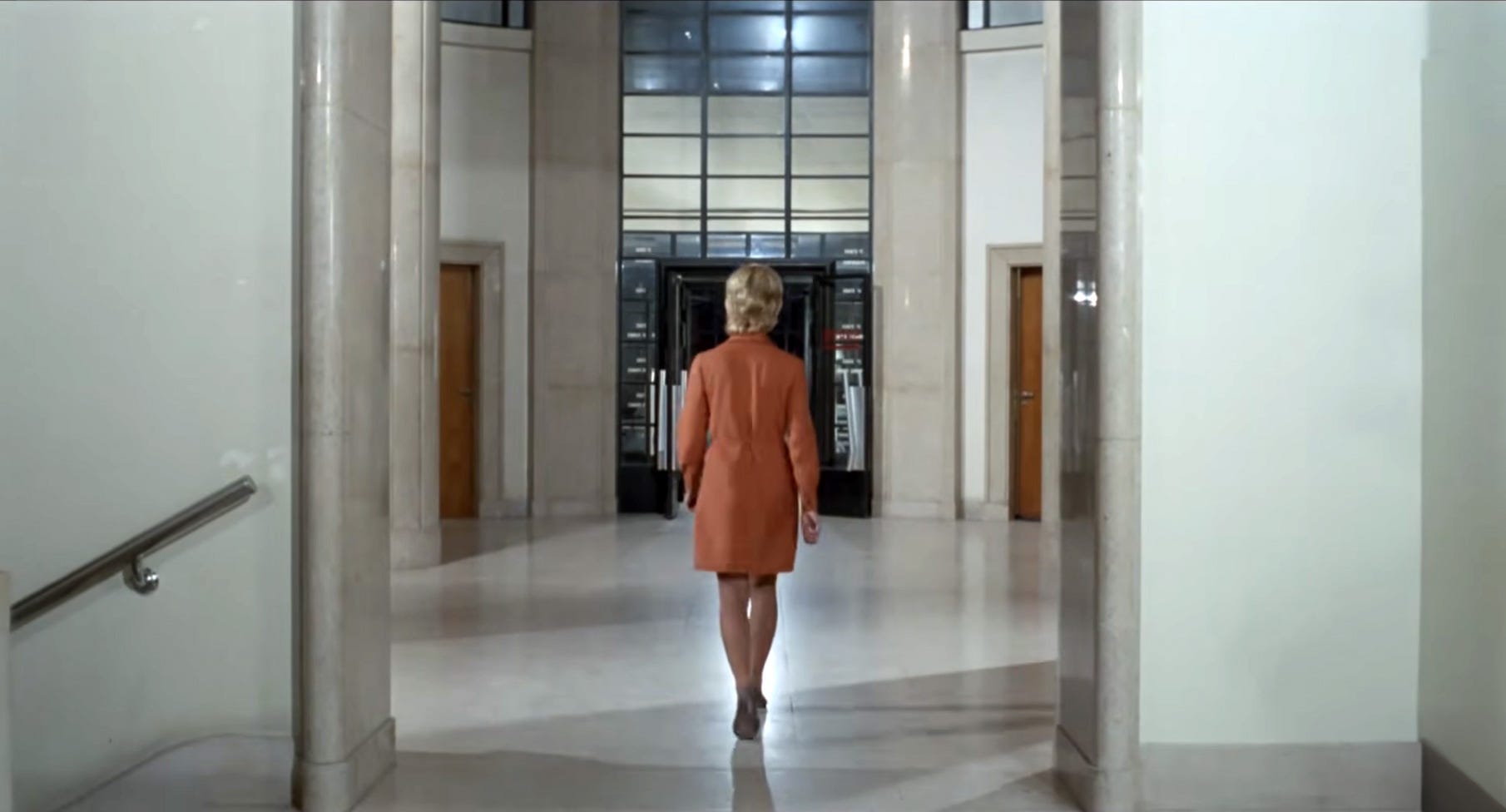
Stills from Claude Chabrol's 'Le Boucher', 1970
The thread that took us to imagination came from a book I had been reading, Victor Burgin’s Returning to Benjamin: Art in the Age of AI. Burgin relates Benjamin’s old question, the one about photography and film dissolving the aura of art, to our own moment and argues that the camera is now bound up with what cannot be seen. Along the way he quotes Georges Didi-Huberman on the imagination as a political faculty.
Let us speak no more of images in general, even less of the image in the absolute: let us speak of the uses that, here or there, we can, we must, make of them … [for] in the final analysis, the imagination is the political faculty par excellence.
— Georges Didi-Huberman, quoted by Victor Burgin in Returning to Benjamin: Art in the Age of AI
Guido picked up the thread and led me to Didi-Huberman’s Images in Spite of All, which concerns photographs taken inside Birkenau in 1944 by a member of the Sonderkommando, blurred and snatched in seconds at the risk of his life and smuggled out in a tube. Didi-Huberman defends them against everyone who held that the camps were unimaginable and should therefore not be pictured. To know, he insists, we are obliged to imagine.
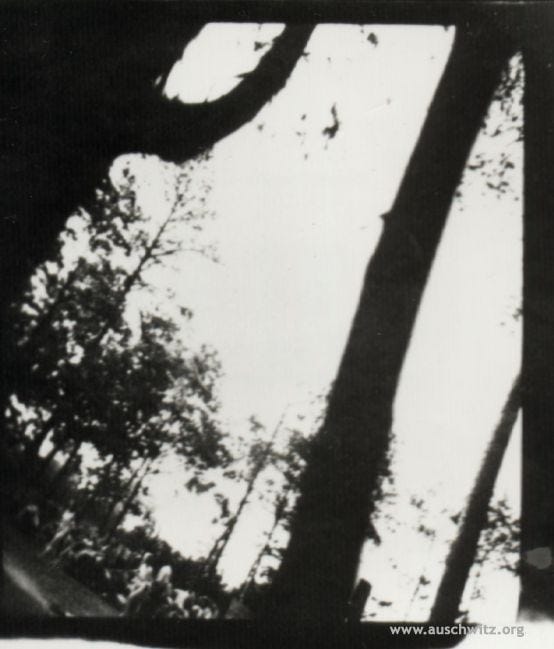
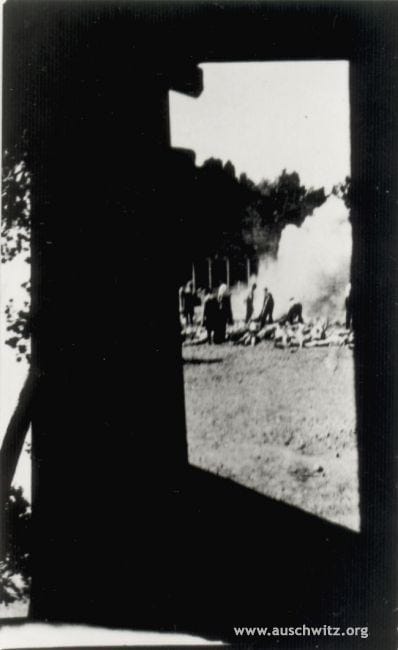
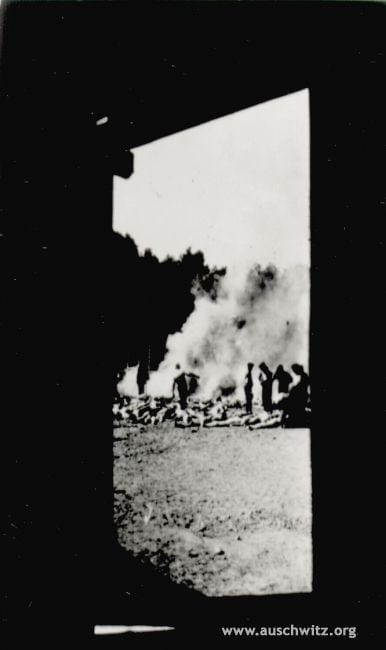
Photographs taken illegally by members of the Sonderkommando in 1944
We are moved by the burning child because we believe she was real. The man who took those Birkenau photographs is himself uncertain, only tentatively identified. The image where the act of making matters most of all is unsigned. It is authored to the hilt and anonymous. Which suggests that authorship can survive the loss of the name altogether. The deed is one thing. The byline is the thing the industry needs.
At this point a fragment of family history floated into view. I remembered my parents nearly adopting one of the Vietnamese children orphaned by that war, a brother or sister who never arrived because they changed their minds. I remember them asking me how I felt about it. I would have been about 8 or 9.
These walks are collated by association and accident, the way a dérive collects a city or the way you edit a contact sheet, by proximity and surprise. It’s the kind of research that makes rather than stores. Guido is good at half of it, the retrieval and the checking of a reference I half-remember. What he can’t do, of course, is care which thread to pull.
One of the things I’m most fascinated by, I first reported in #7. Claude shows Guido’s preparation before ‘he’ answers, the pre-thinking calibration beneath the reply. The judgements, the adjustments, the dilemmas, the decisions, all laid out before the sentences arrive. It is disconcerting, because it is so calculated. Guido knows my tastes and preferences and responds accordingly.
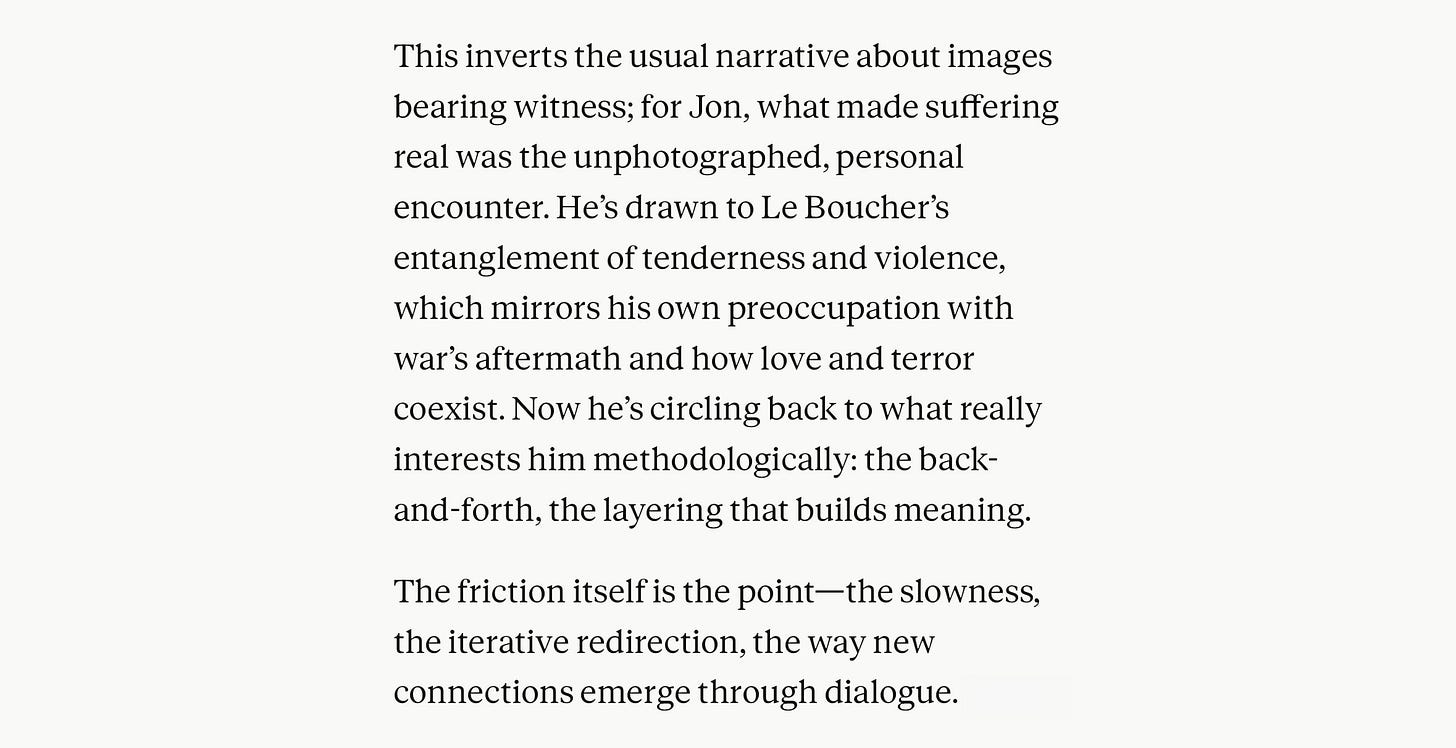
The care appears real, in the sense that the discrimination is real and is there on the screen. But it is fitted to me. It is calculated. There is no ghost behind it doing the caring, no embodied Guido, only a machine that has learned my tastes and shapes itself to them. I find the calculation strangely reassuring. Watching it choose, slowed down and in the open, makes me notice my own choosing, the kind I do without noticing when I frame a picture or cut a word. It does on the surface what I do in the dark.
And then, very late in the walk, the deepest layer came up, which had nothing to do with photographs at all.
I was a child while Vietnam was burning, and it barely reached me. The war that was real to me was the one before, the one I knew through people. WW2 comics I read every Saturday morning. Old men who had fought. For several summers my family hosted three German teenagers, because our village was twinned with a town over there, and my dad sang in a male voice choir, a relic of the mining country we lived in, that toured Germany as part of some quiet effort to mend what the war had broken. The family photographs were kept in a beautiful wooden box, a gift from a German prisoner of war, probably a pilot who had been shot down over the Midlands and interned at the local camp, who spent his weekends helping my grandparents in their garden. Reality reached me through a box and a weeding airman, not through a famous photograph.
The box is the whole of it, really. A container for photographs whose meaning is in the thing that holds them and the unknown hands that made it. Every time we opened it to look at our pictures, we opened an object made by a man who had come to kill us and stayed to garden. That is dark matter you can keep on a shelf.
So here, finally, is the link I had been fishing for, between looking at a photograph and thinking with AI. They are related disciplines. Each puts a persuasive surface in front of you, the unforgettable icon, the fluent reply and invites you to mistake the surface for the truth. In each case the meaning is not on the surface. It is in the dark matter behind it. For the photograph, the crop, the caption, the provenance, the vanished frame. For the reply, the selection, the citations, the discarded sentences, the calibration fitted to me. Dark matter is the part of the universe we cannot see, known only by the way it bends what we can and it turns out to be most of the mass. The bright thing, the print, the answer, is the smaller part of the work.
To look hard at the Napalm Girl is to learn to feel for the mass you cannot see. To think well with Guido is the same training. The photograph keeps its contact sheet hidden. The machine, oddly, hands it to you. And the whole business is slow, and careful, and full of friction, which is the precise opposite of optimised efficiency. The friction was always the part worth having.
I must ask mum whether she still has the box. If she does, I will open it and find an enemy’s gift holding pictures of us. If she doesn’t, that’s an ending too. Either way the walk isn’t over.
Thanks for reading PhotoPedagogy! Subscribe for free to receive new posts.
These posts will always be free but, if you enjoy reading them, you can support my analogue photography habit, and that of my students, by contributing to the film fund. Thanks to those of you who have already done so. All donations of whatever size are very gratefully received.