Six Memos for the Future of Photography
#4: Visibility
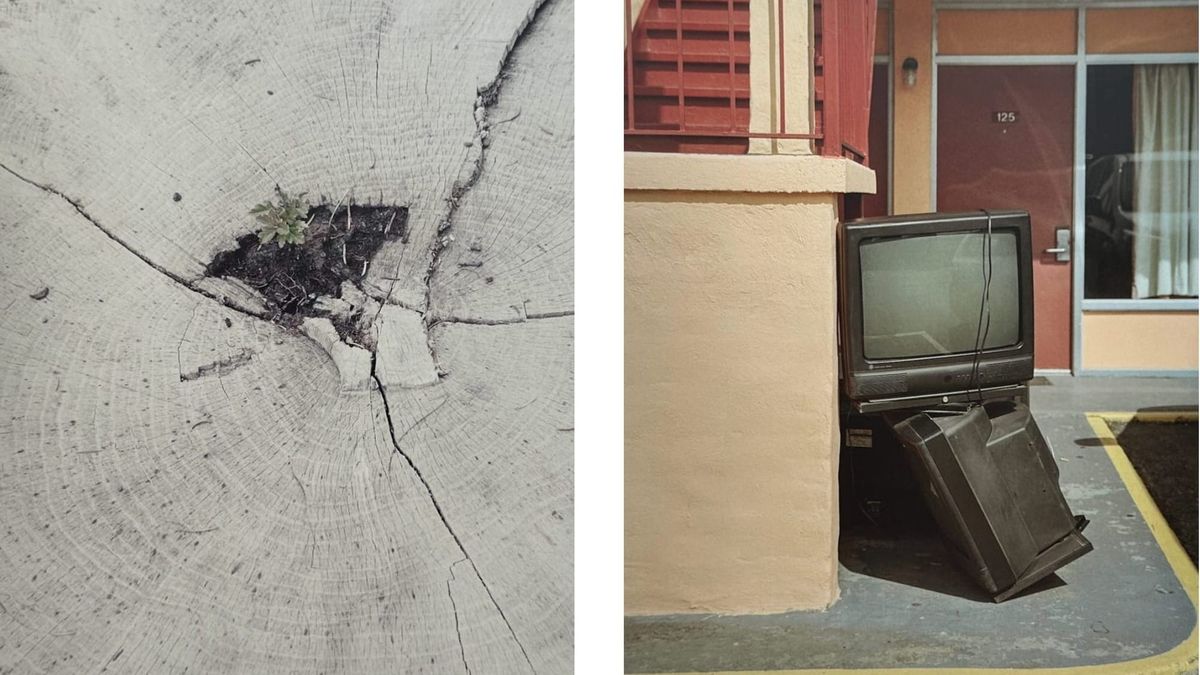
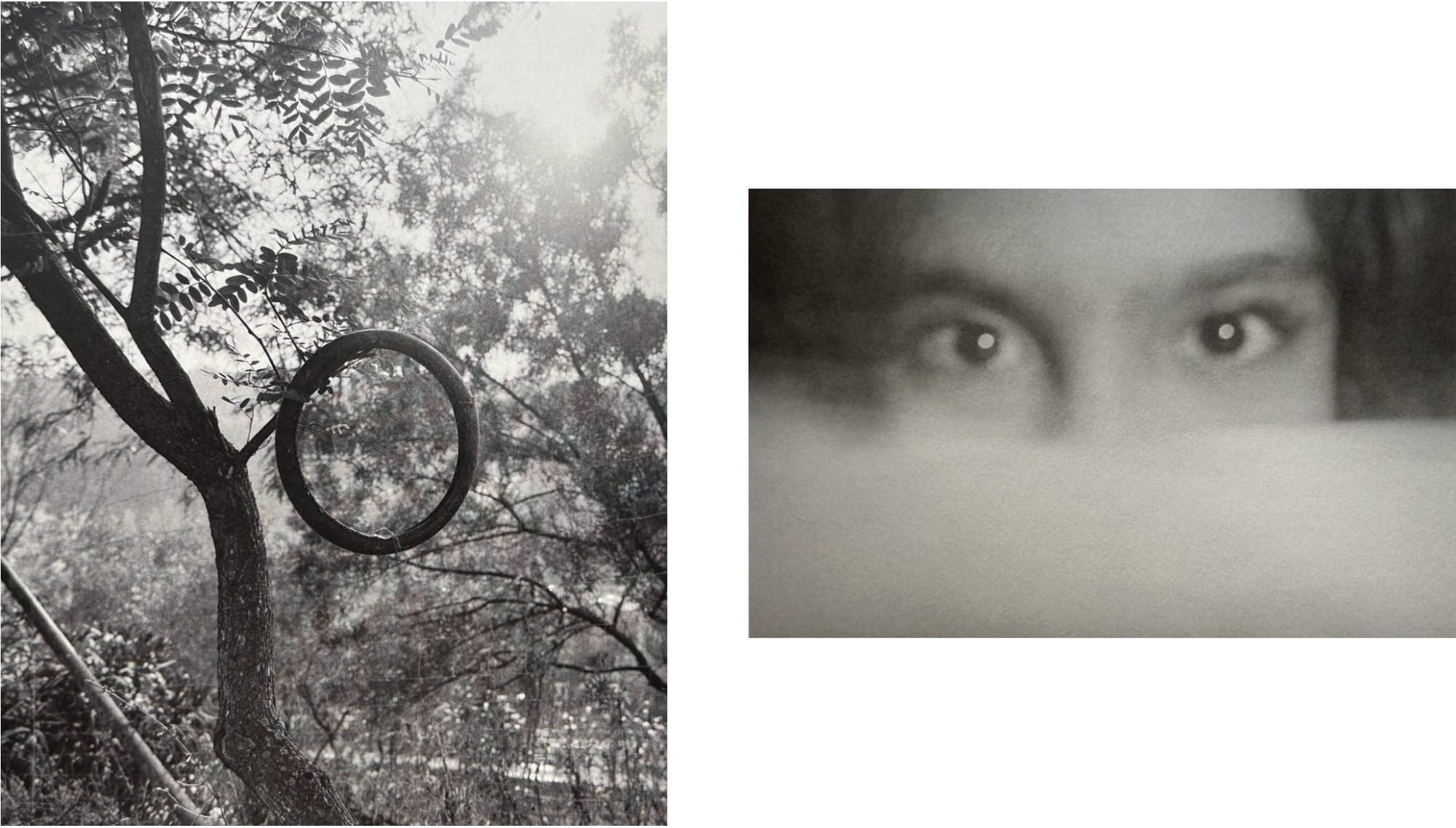
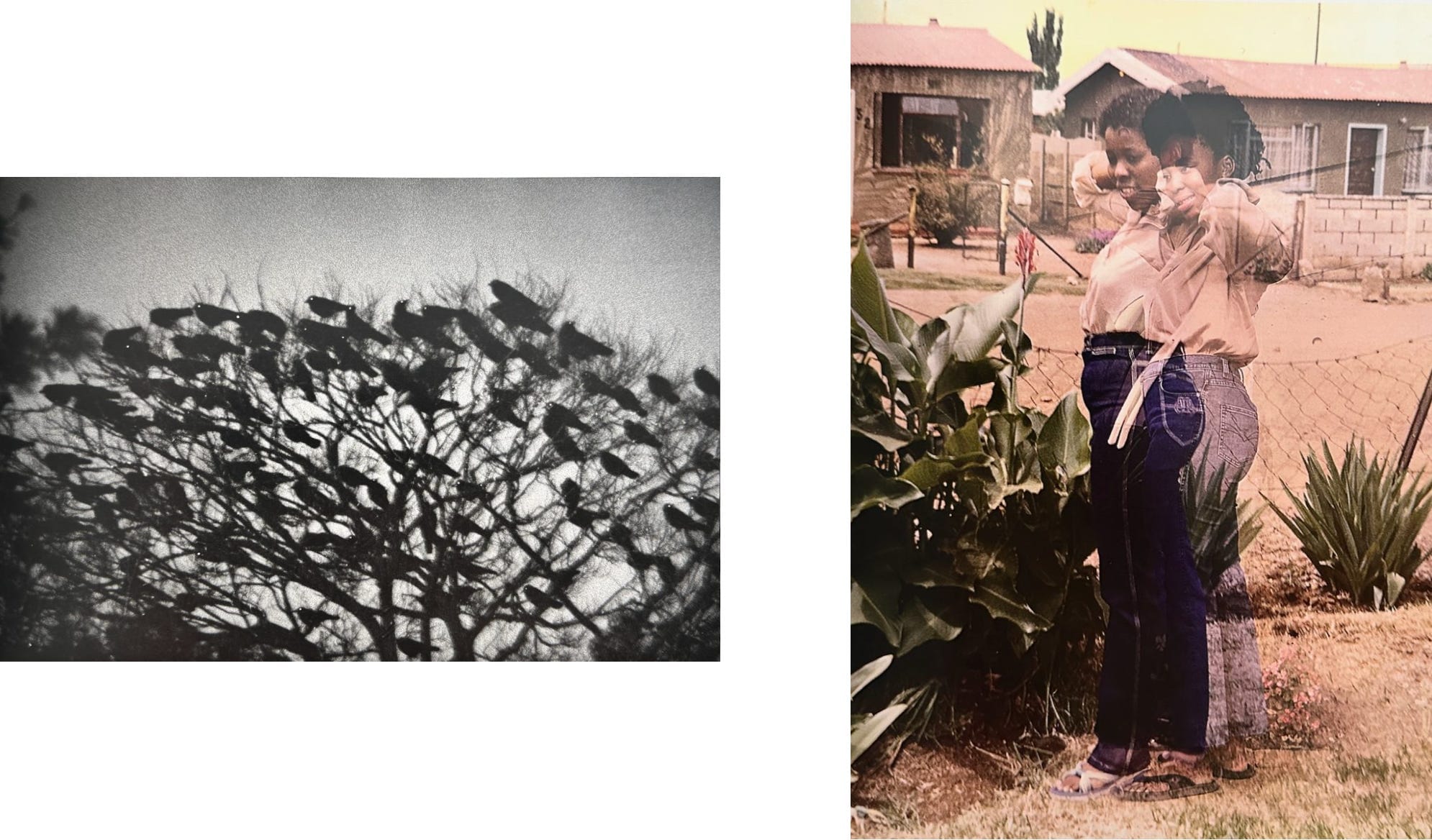
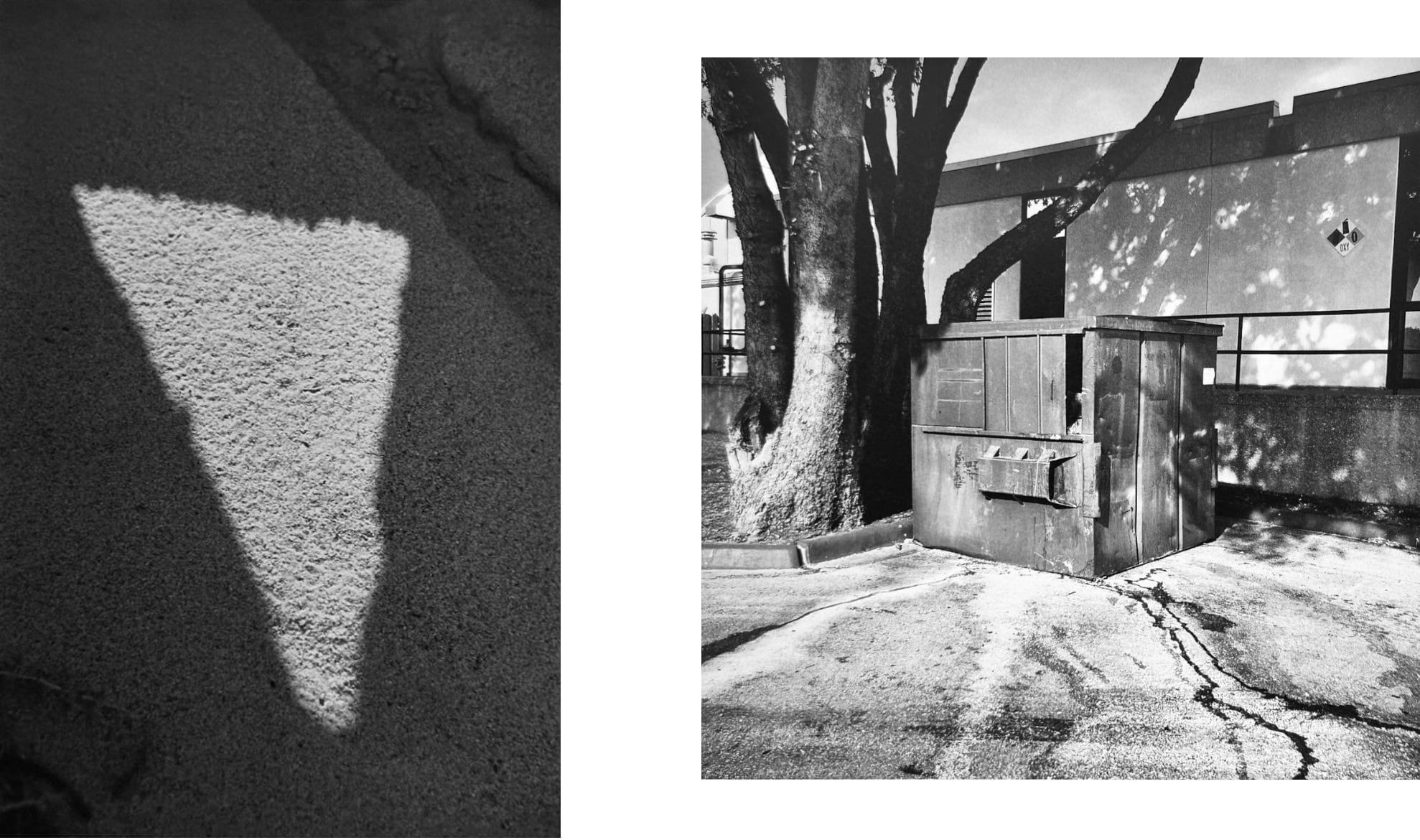
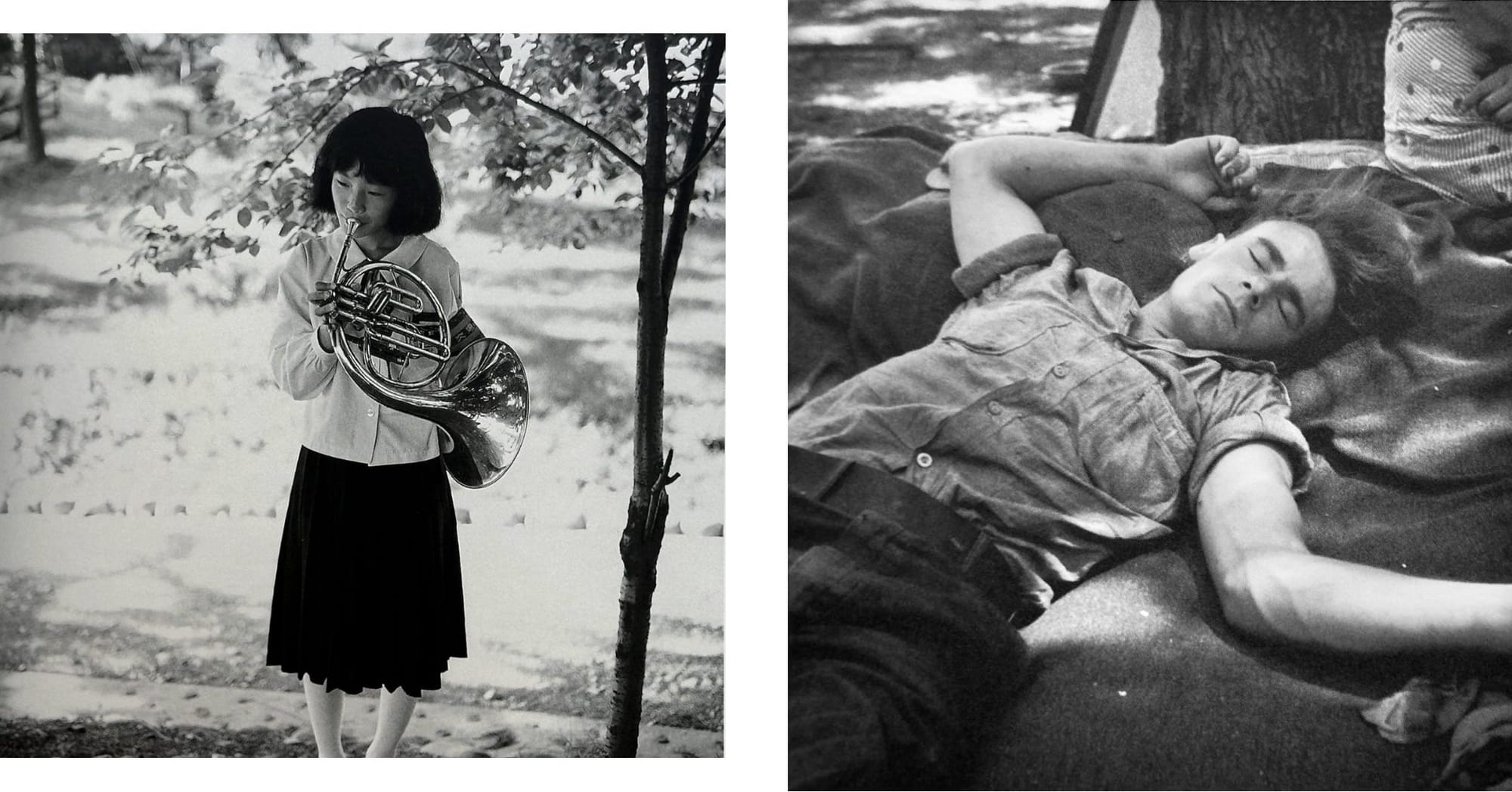
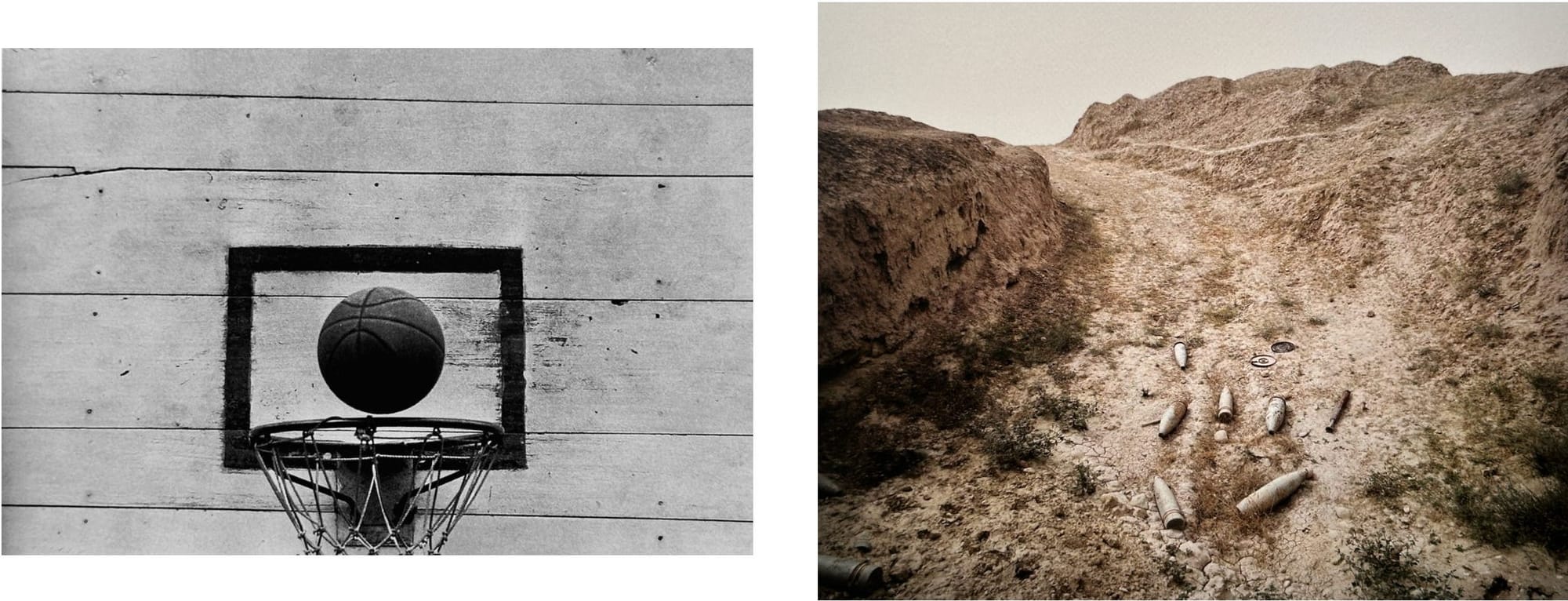
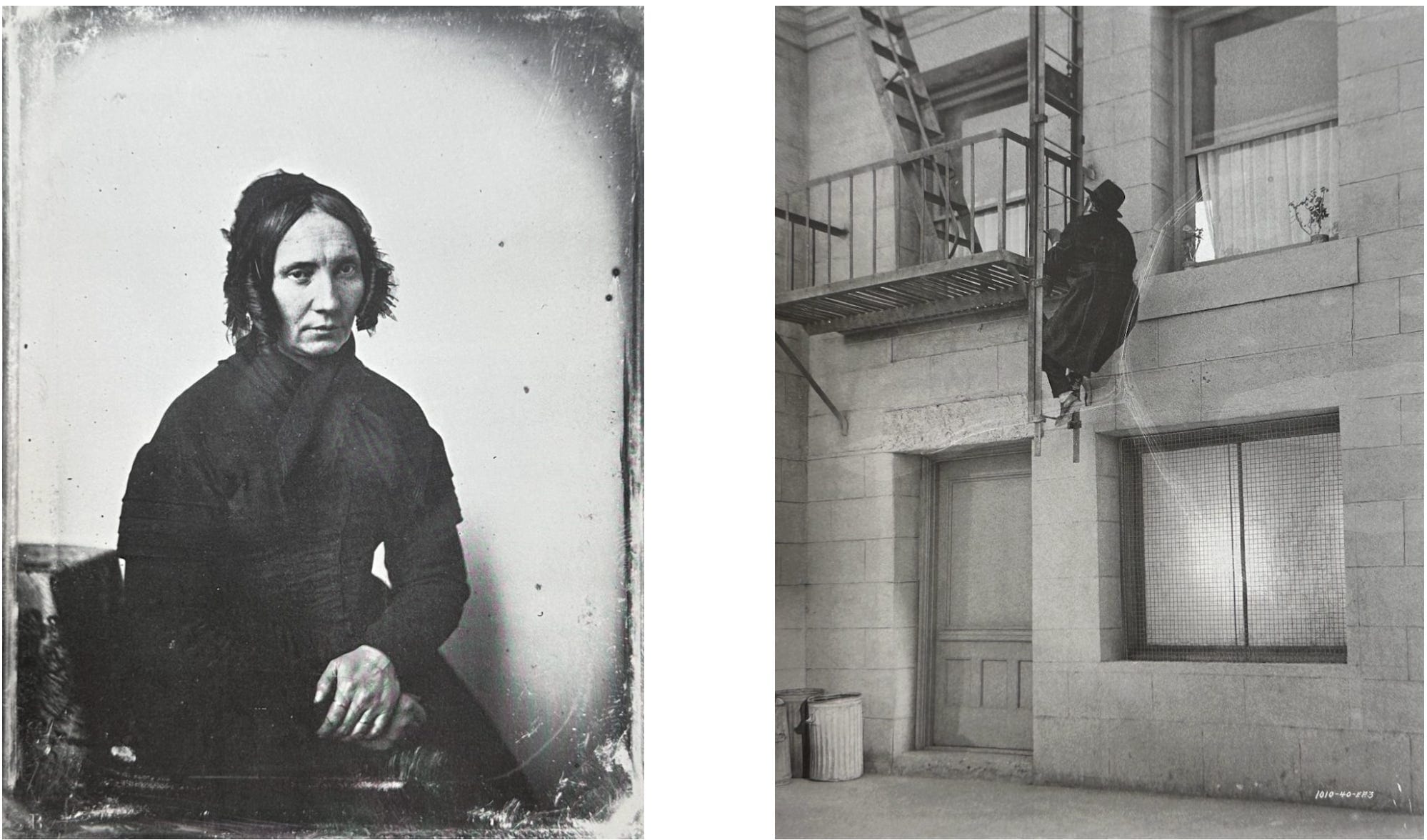
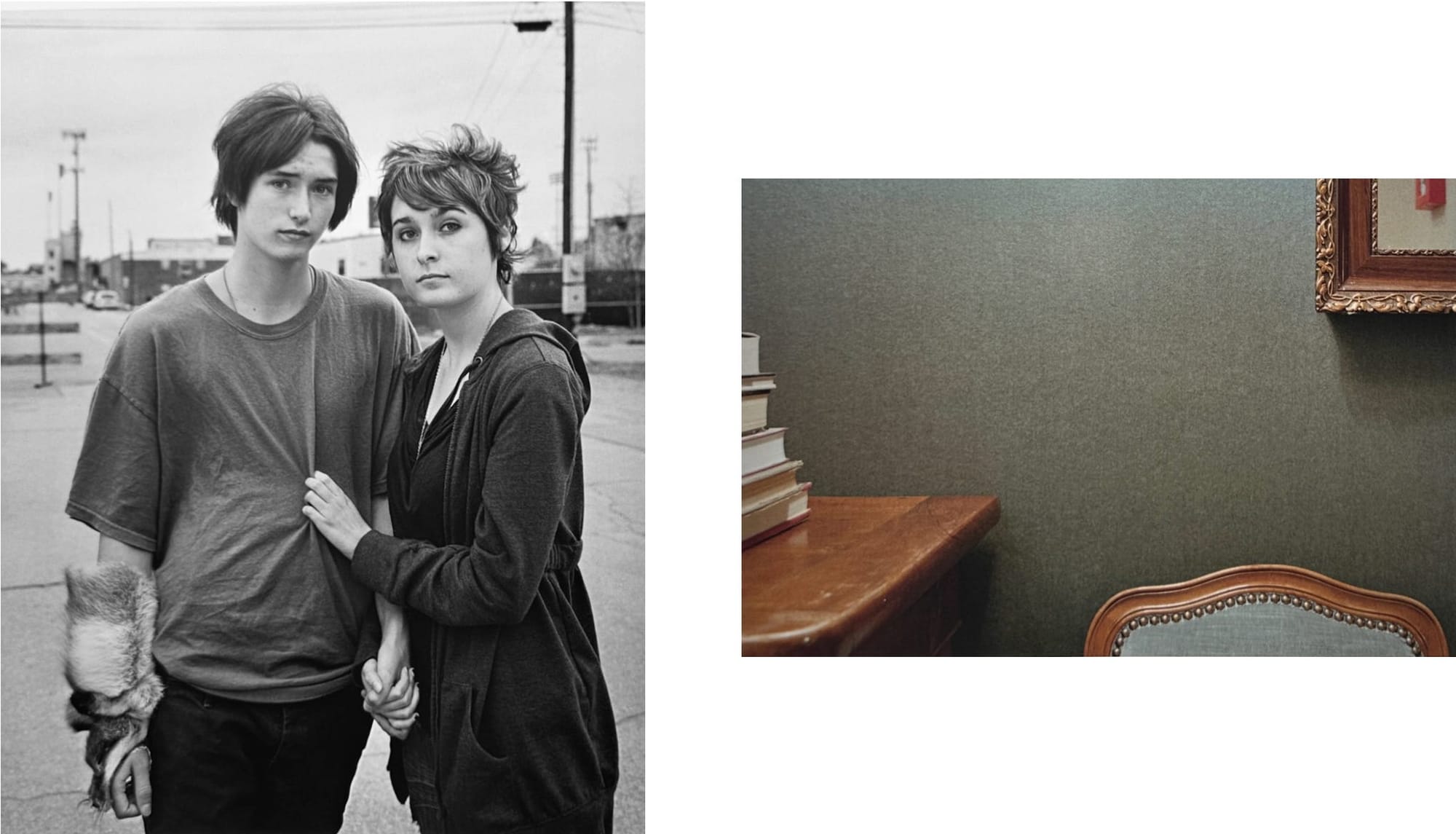
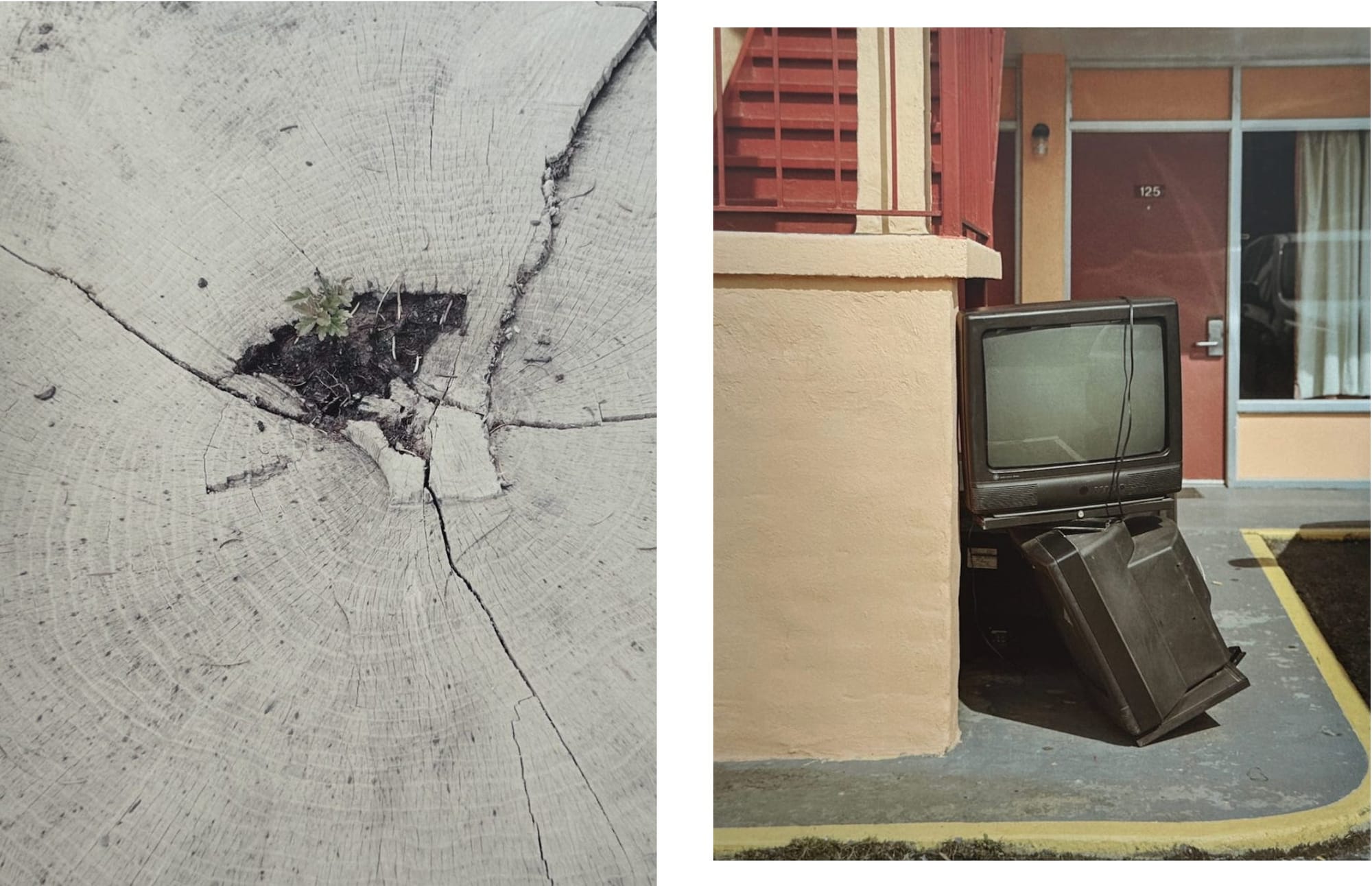
In his talk about Visibility, Calvino refers to Dante who, during the Purgatorio “is presented with scenes that act as quotations or representations.” Calvino is interested in these mental images, things seen in the mind rather than with the eyes. Images formed by the imagination, “high fantasy”. There are two kinds: images that are promoted by words and others that begin visually and may result in verbal expression. The relationship between words and images is central to photography education. I have therefore chosen to present a sequence of diptychs, randomly produced by the PhotoPedagogy Diptych generator. I’ve also included randomly generated excerpts from a text by Valeria Luiselli that concerns itself with ‘The Cartography of Empty Spaces’.1 I rediscovered Luiselli’s book, hidden in plain sight in my library.
This post began as an exploration of the concept of mental images in photography but that seemed like the wrong fit. I have opted instead for allowing the images themselves, alongside short extracts of text, appearing together by chance, to do the work.
Calvino wonders where mental images come from and quotes Douglas Hofstadter:
Think, for instance, of a writer who is trying to convey certain ideas which to him are contained in mental images. He isn’t quite sure how those images fit together in his mind, and he experiments around, expressing things first one way and then another, and finally settles on some version. But does he know where it all came from? Only in a vague sense.
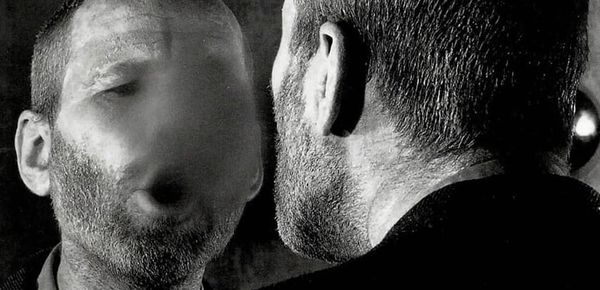
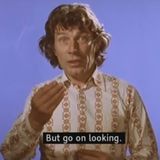
This is therefore “some version” of a memo on visibility, using “quotations or representations” and arriving at a settled meaning “only in a vague sense”. It’s meant to be playful, rather than theoretical. I have deliberately left the images uncaptioned, as they are in the generator. I mean no disrespect to their authors, but authorship isn’t what I’m asking you to attend to here. They are all photographs of photographs, some of which you may recognise, made by me from books I own.
Architecture, according to Roland Barthes, should be simultaneously the projection of an impossibility and the putting into practice of a functional order.
With the persistence of a mosquito around a lightbulb, I prowl the shelves in search of that book, that page, that underlined phrase I vaguely remember.
It’s always better to keep rapping thoughts into the keyboard, like drilling holes in the ground, until the exact word emerges.
The journeys we make during the reading of a book trace out, in some way, the private spaces we inhabit.
There are texts that will always be our dead-end streets; fragments that will be bridges.
A restorer fills the holes in a surface on which a more or less finished image already exists; a writer starts from the fissures and the holes.
No, writing isn’t filling gaps, nor is it constructing a house, a building, just to fill up an empty space.
Thanks for reading PhotoPedagogy! Subscribe for free to receive new posts.
These posts will always be free but, if you enjoy reading them, you can support my analogue photography habit, and that of my students, by contributing to the film fund. Thanks to those of you who have already done so. All donations of whatever size are very gratefully received.