Trips with a Difference
The Magic Ingredient.

I’ve been thinking about school trips a lot recently. Partly, this has been a nostalgic process, reflecting on the good, the bad and the less than aesthetically pleasing aspects of trips past. There’s nothing like a school trip to remind you that education is an existential endeavour.* Also, though, I’ve been thinking about their value more generally with a particular focus on the photography A-level course that I teach.
In the past, we have organised two main types of co-curricular experiences for our A-level photographers:
- A visit to a gallery or museum to see an inspiring exhibition, occasionally with an artist present
- A visit to our school by a photography practitioner to do a talk or run a workshop†
The first of these is relatively easy for us to organise. We are privileged to be in London with the availability of free (or cheap) tickets to important cultural treasures and the ability to arrange free public transport. The second requires a bit more effort, but the Internet has made it so much easier to find and make contact with artists/photographers, many of whom are willing to visit for a modest fee.‡ A few years ago, one very famous photographer agreed to visit the school, requesting only a parking space and cup of tea. If you don’t ask, you don’t get, as the old saying goes.
We’ve had a whole host of amazing visitors over the years, including Ameena Rojee, Danny Treacy, Nick Waplington, Peter Fraser, Niall McDiarmid, Dafna Talmor, Nico Froehlich, Alejandra Carles-Tolra, Alice Cazenave, Mimi Mollica, Tina Rowe, Gisella Torres, Othello De’Souza-Hartley, Tom Hunter, Paulina Korobkiewicz, Yuxin Jiang, Adrian Wood, Lewis Bush and, perhaps most remarkably, Zanele Muholi.
Recently, prompted by the need to organise two consecutive trips for Year 12 and 13 photographers, I wondered if there was a way to combine these two approaches.
What if an artist joined us on our trips, acting as a mentor to the students throughout the day?
I sometimes find visits to galleries frustrating, for teachers and students alike. It’s a high stakes activity. Getting there can take longer than the time spent in the gallery/museum. Students and are either excited or anxious about being together outside school and can struggle to concentrate on the work. Taking students outside their everyday environment is always valuable, but I’ve sometimes had a kind of empty feeling after a gallery visit. It can feel a bit like a shopping trip.§ And even when we’ve had some time for a photoshoot near the gallery, it can sometimes feel rushed and lacking in real focus, students returning with fairly bland snapshots.
So, some obvious initial questions:
- Where should we go together?
- Which artist/photographer should I approach to accompany us?
- What should we attempt to do in the time available?
- What resources might we need?
Over the years, we have built a strong relationship with Autograph.

We align with its mission to:
champion the work of artists who use photography and film to highlight questions of race, representation, human rights and social justice.
My colleague, Dianne Minnicucci, recently took part in the Visible Practice Residency programme resulting in an exhibition at the gallery, and the entire art department is engaged in a similar project, also supported by Autograph, to stage an exhibition of their work in our school gallery space. Autograph’s free resources are wonderful. The new exhibition, I Still Dream of Lost Vocabularies, an exploration of diverse approaches to collage and montage (including AI generated images), seemed like the perfect stimulus for our young photographers. Happily, the gallery agreed to open especially for us on days when they are usually closed to the public, making the study space available for a post-visit discussion.‖

Exhibition sorted, but what about the rest of the day? Who might be interested in spending two whole days with our students?
One person came immediately to mind.
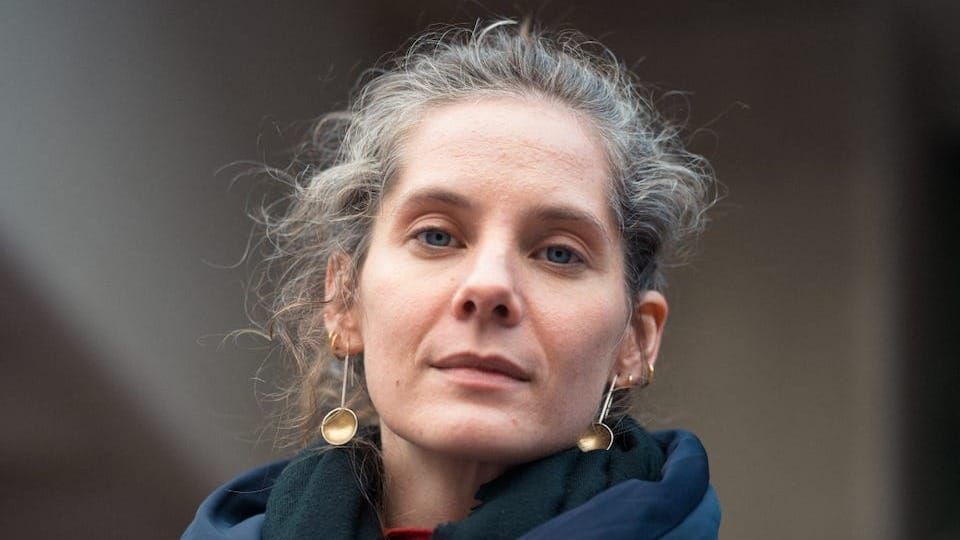
I first met Tereza Červeňová in 2018 after seeing her project June at the Brighton Photo Biennial.

At the time, we were planning another teacher training event as part of our membership of Tate Exchange. Tereza’s ability to make pictures about existential political events from a very personal perspective really struck a chord with me and we began talking about her participation in what became Still Moving: The psychogeography of the gallery visit.¶
We have stayed in touch. She has visited school and I recently reconnected with her after seeing her work, and listening to her talk about it, at the Warburg Institute.** Miraculously, she agreed to collaborate with us again, taking on the role of mentor over the two days.
Exhibition and artist sorted. Phew!
What followed were some discussions about the purposes and shape of each day. Originally, I thought we might stay in Spitalfields after seeing the show at Autograph, but Tereza suggested that a short walk to the Barbican might provide a better location. This turned out to be very wise given the unpredictable nature of the British weather. Day #1 was grey and drizzly. Day #2 was blisteringly cold and sunny! The Barbican could provide indoor and outdoor locations, levels, views, bold architectural forms and a big, warm café. Perfect.
Tereza’s practice includes a good deal of portraiture, both for personal, editorial or commercial projects. She brings the same qualities of empathy, subtlety and insight to all her work. The portrait below of Yngvild won the John Kobal Award in 2015. She knows her onions!
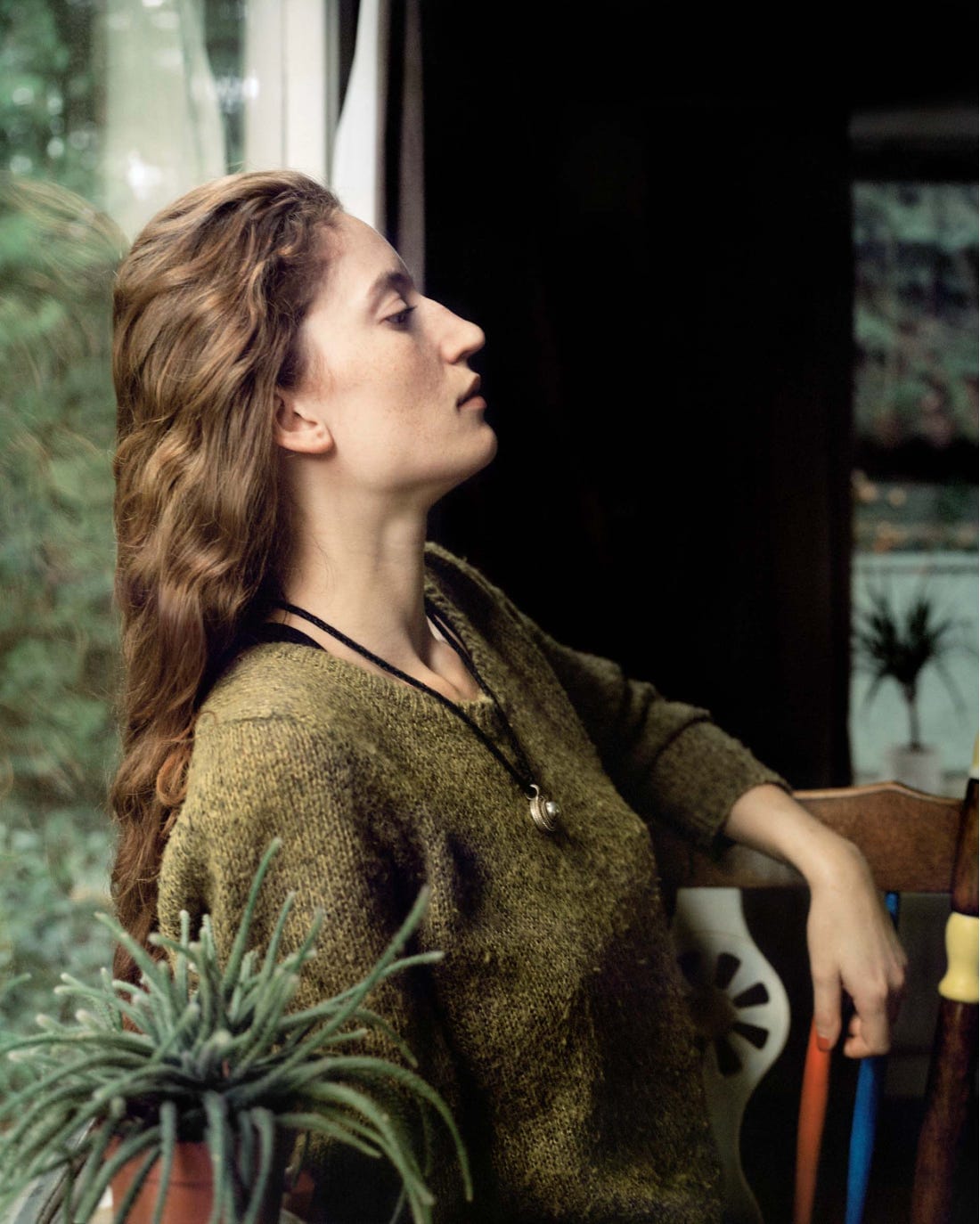
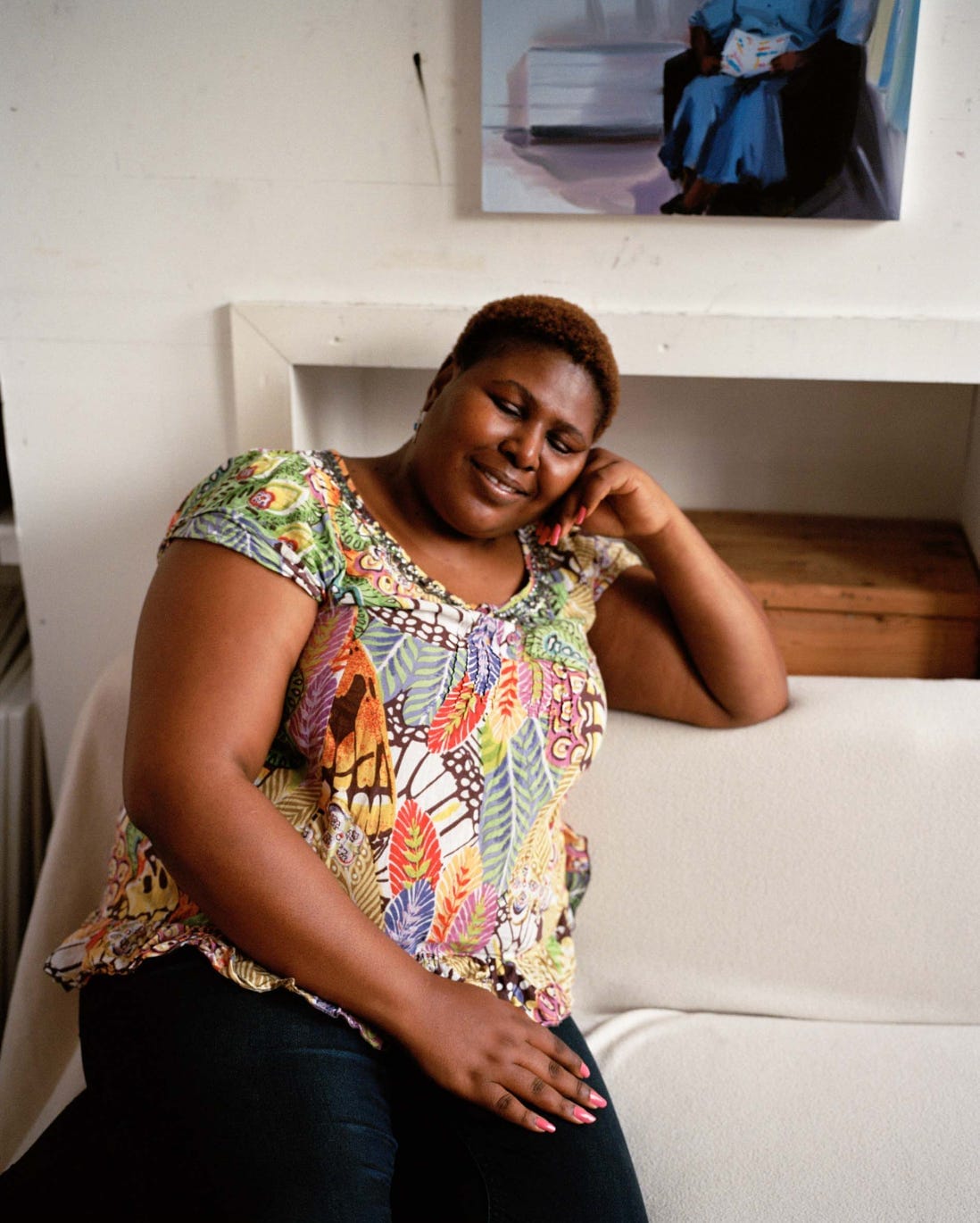
Tereza Červeňová - Yngvild, 2015 (left) and Consilia, 2017 (right)
It seemed sensible, therefore, for Tereza to demonstrate to the students how she approaches a commission. Once we had arrived at the Barbican, Tereza chose a location, explaining its various affordances, asked for a volunteer model and assistant from the group and began to explain, step by careful step, the decisions she was making in constructing a series of portraits. On Day #1, she chose a shadowy space beneath a stairwell, lit by soft wintry light on one side and blue lamps above. On Day #2 a sunny, windswept terrace and balcony space provided the perfect locations.
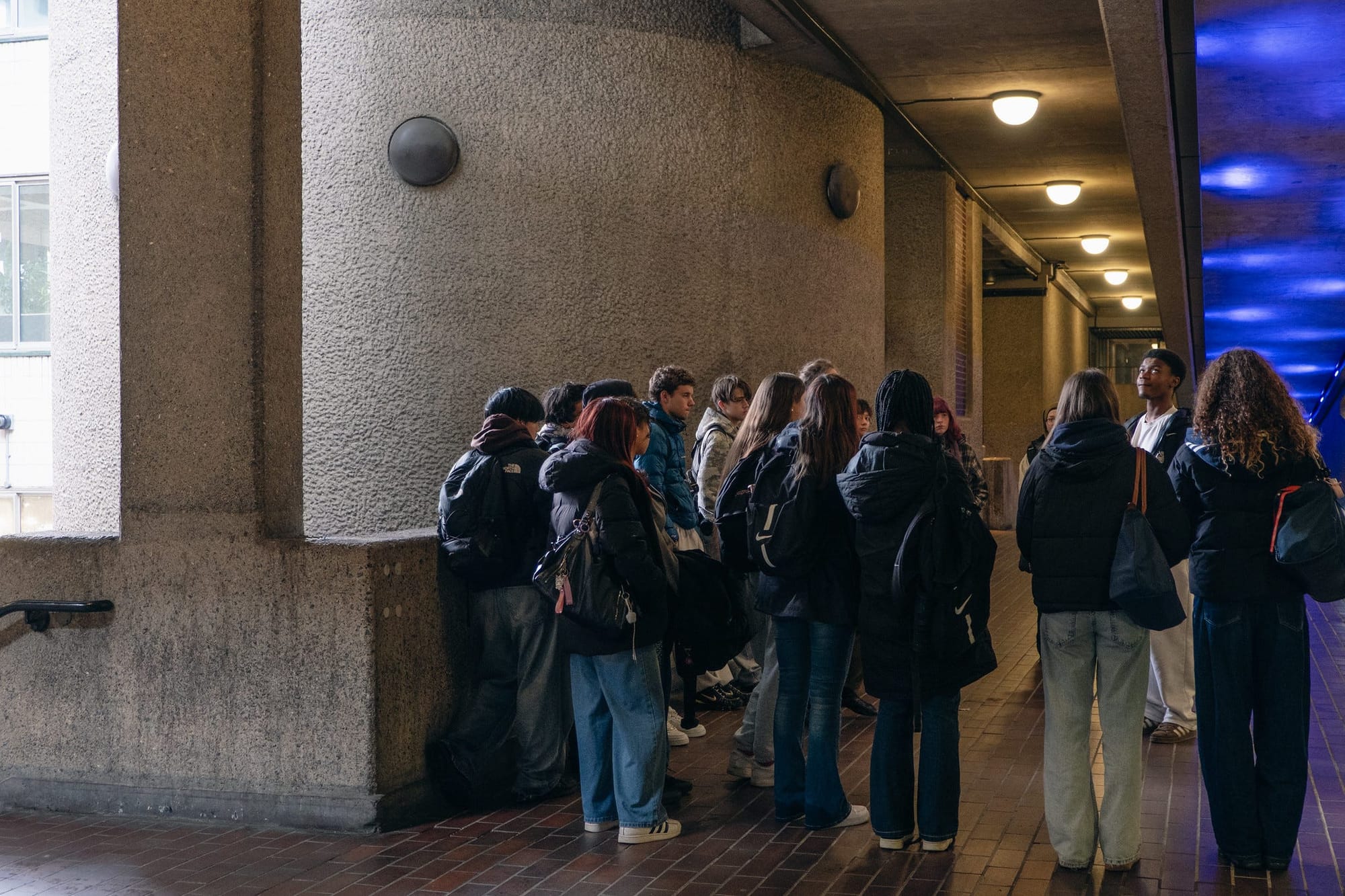
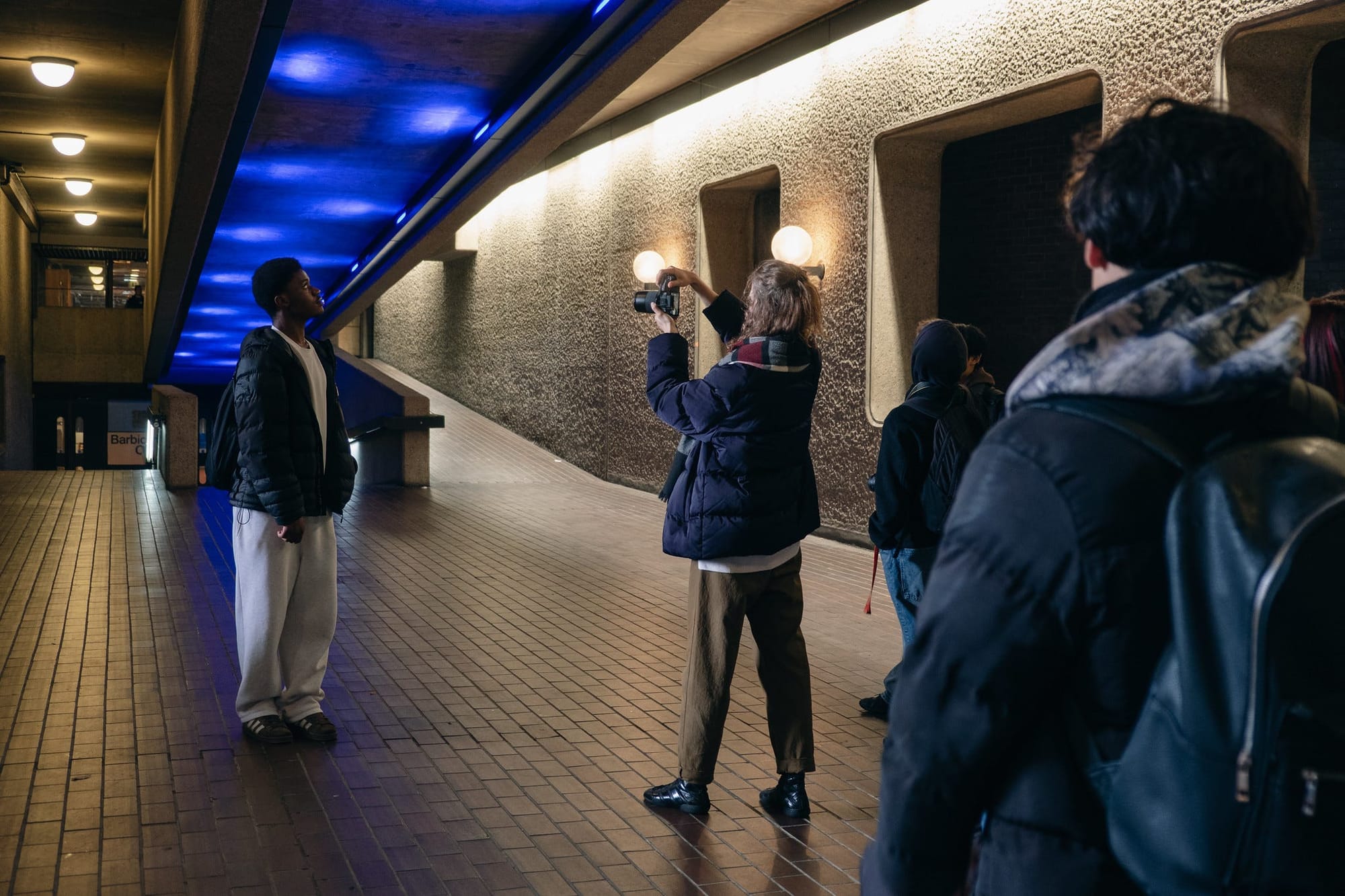
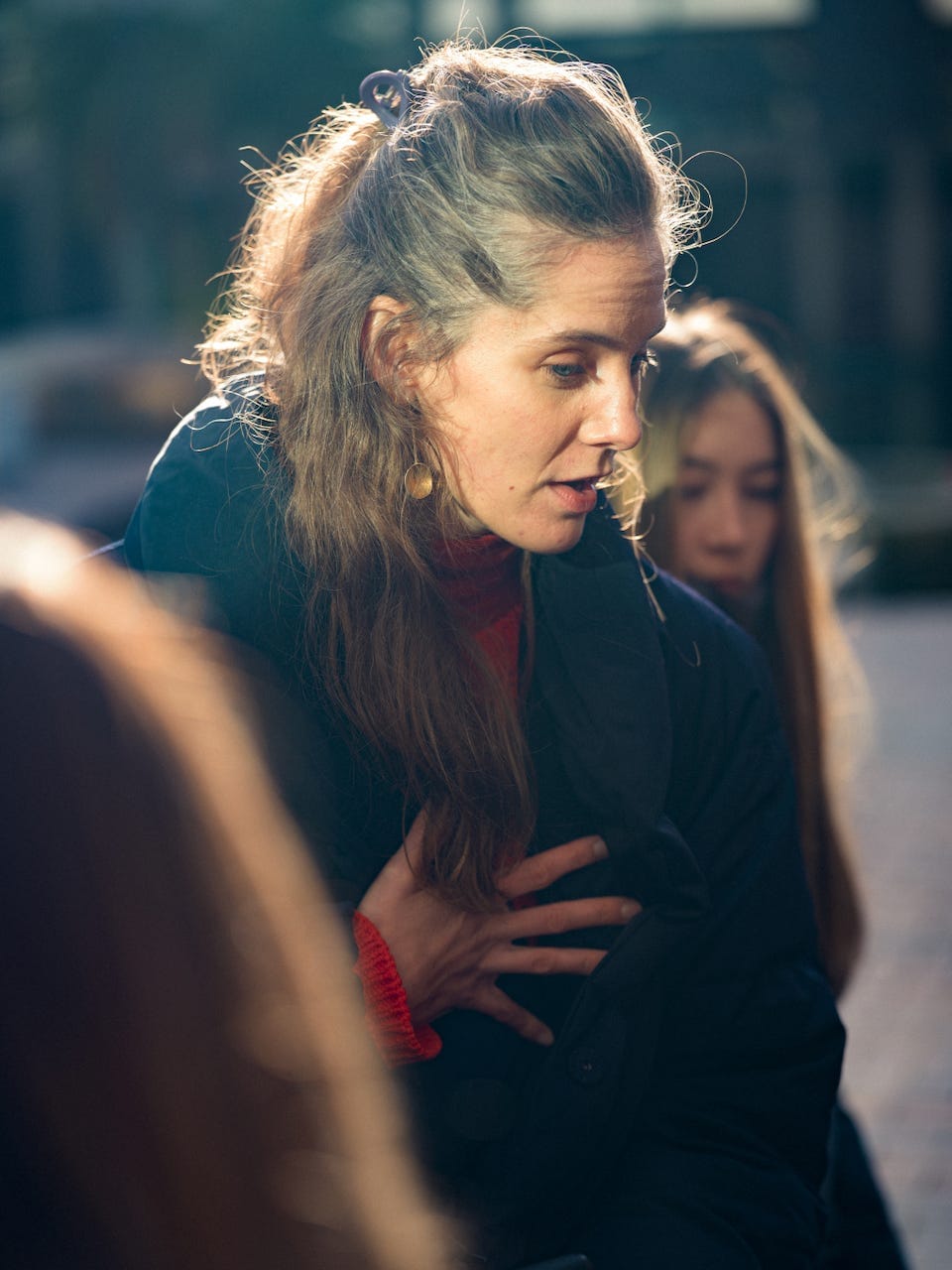
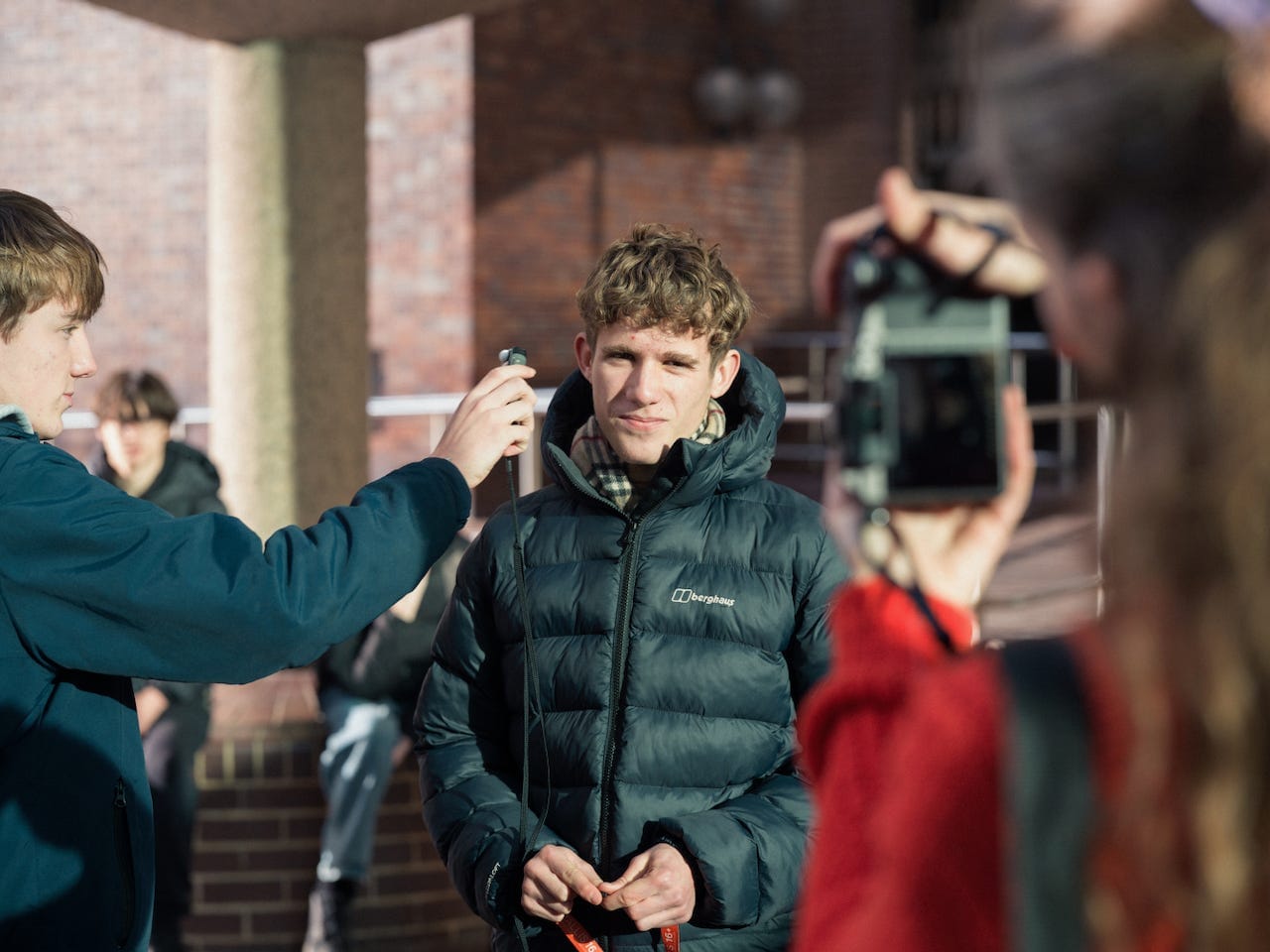
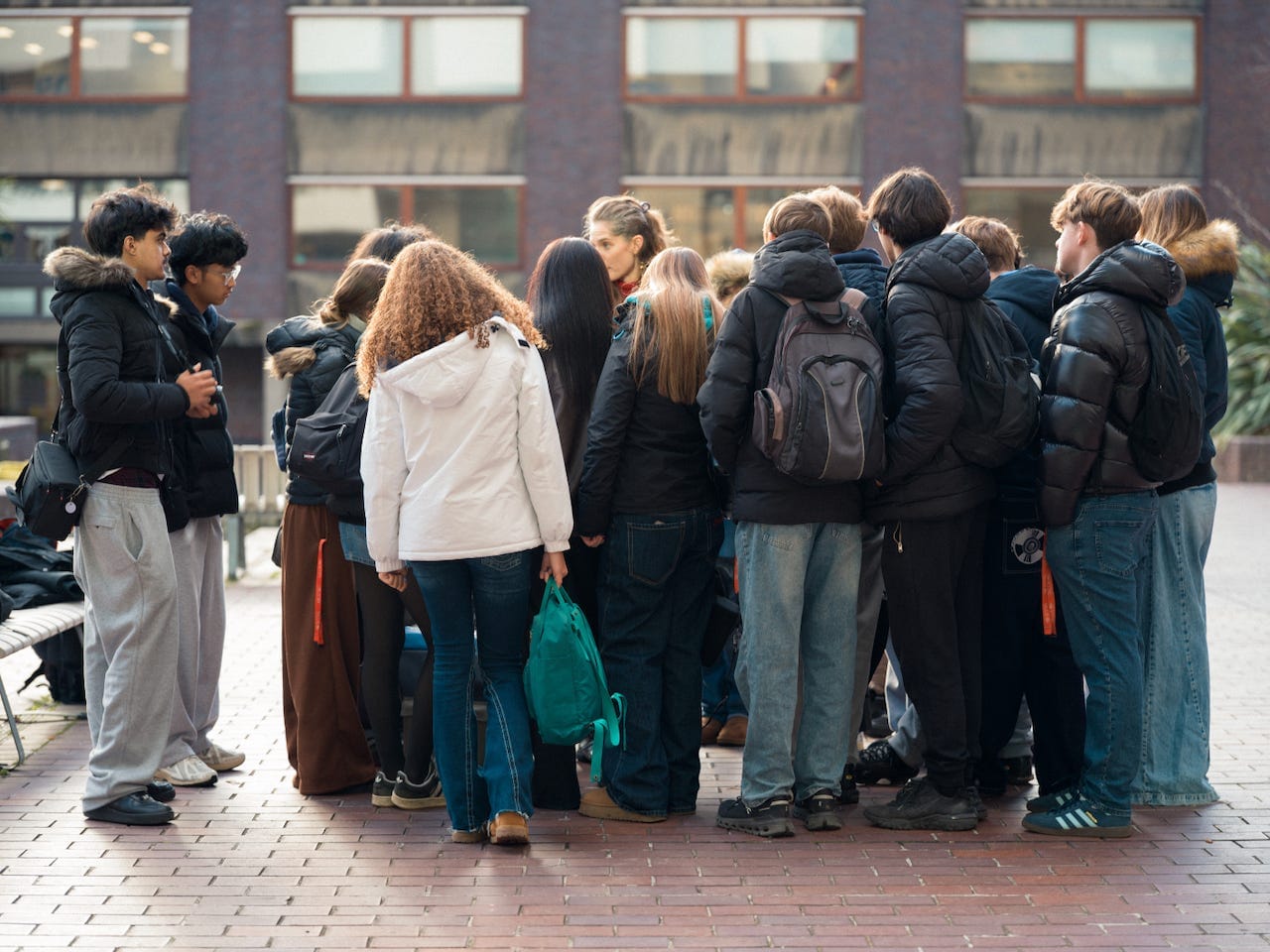
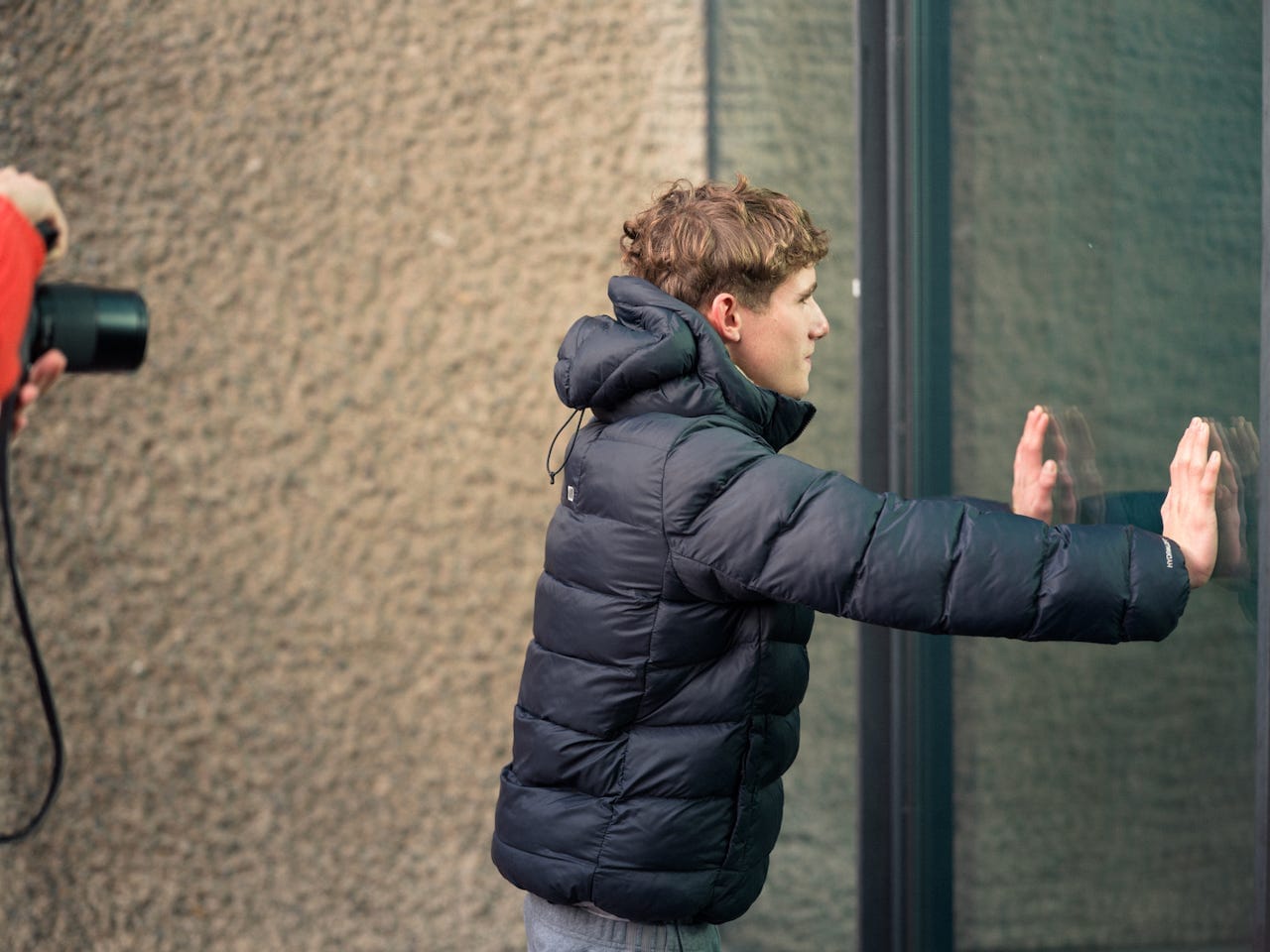
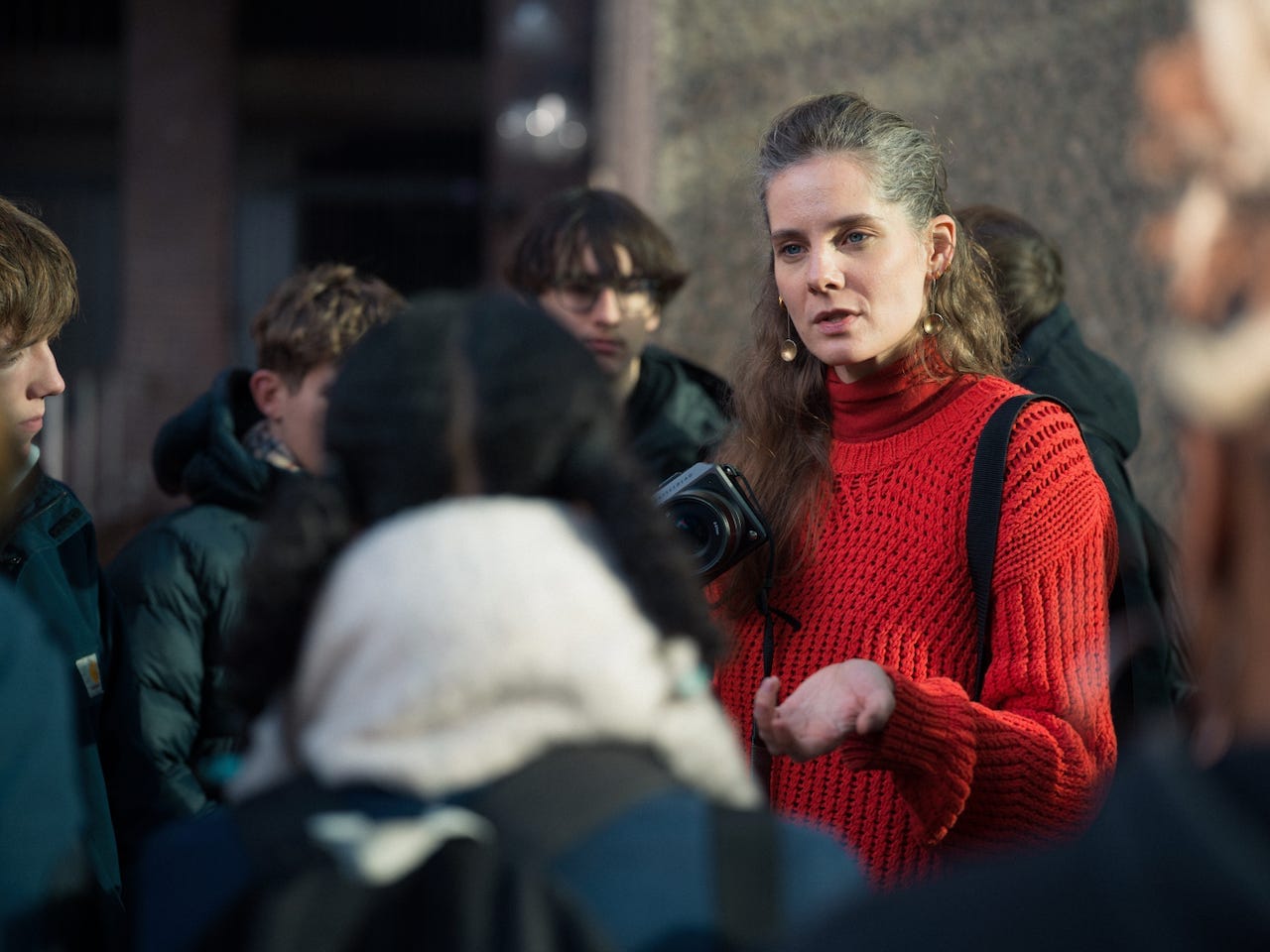
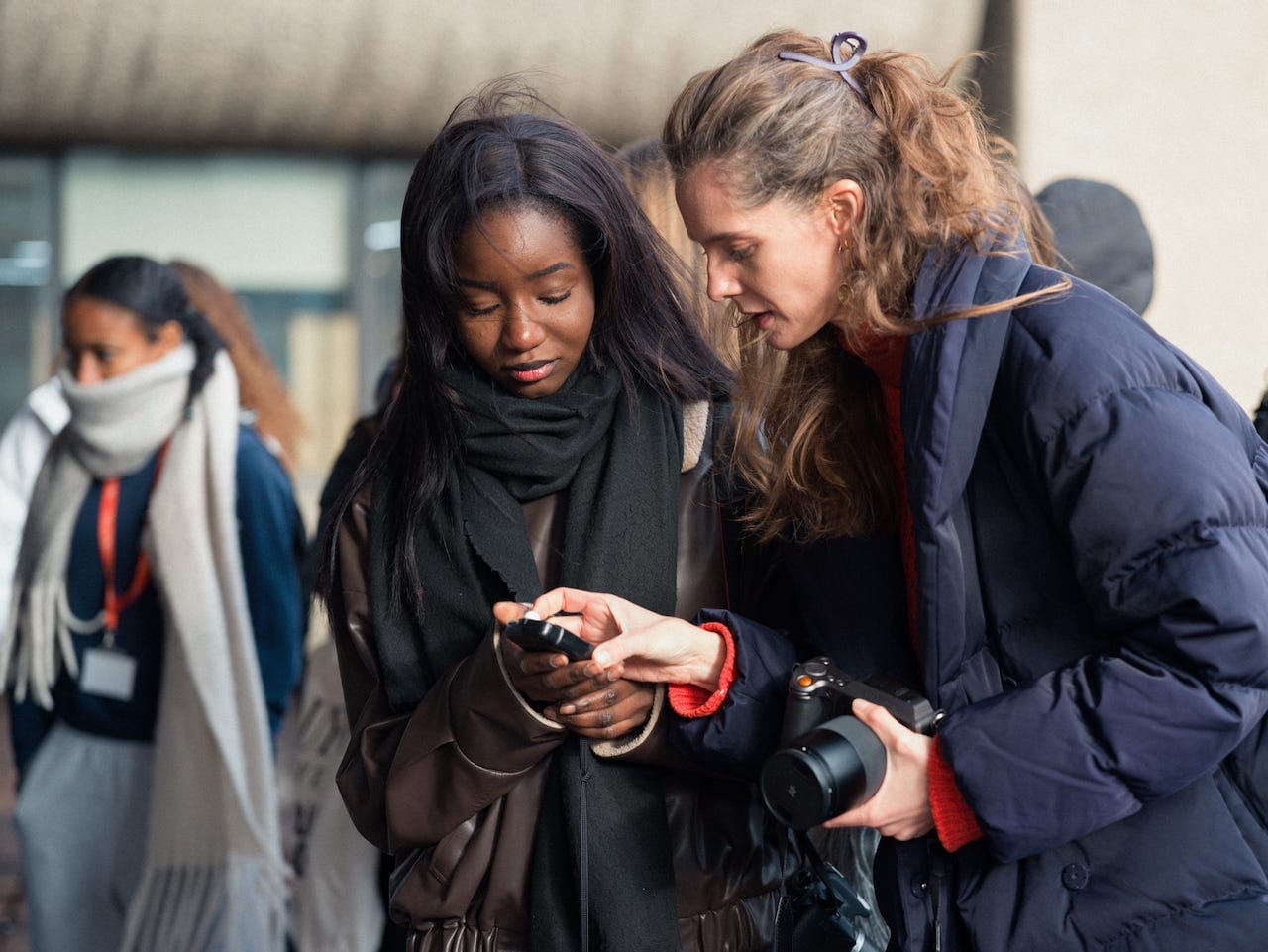
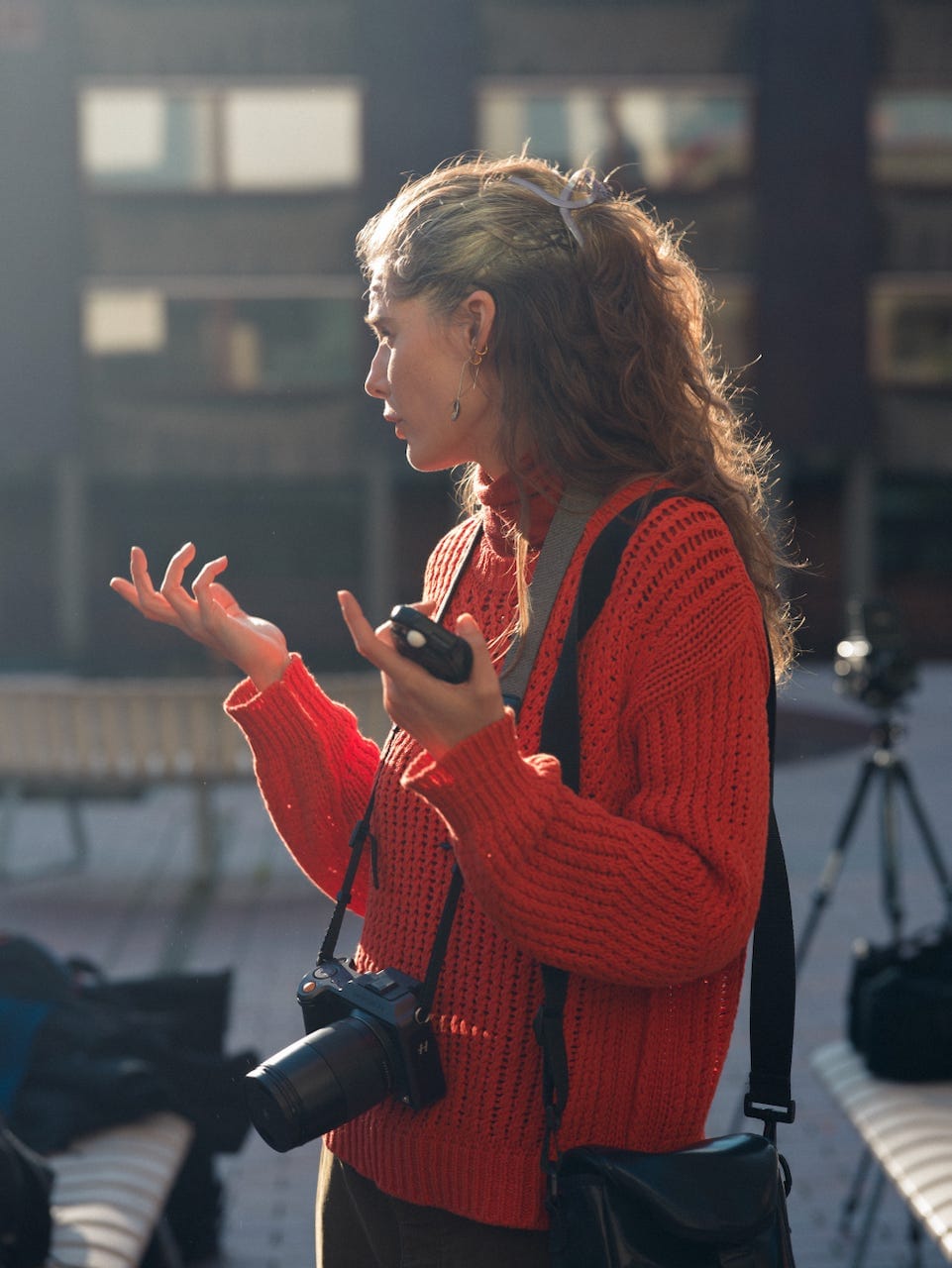
Tereza demonstrating portraiture techniques at the Barbican
Here are a few examples of the portraits Tereza made in her demonstrations:
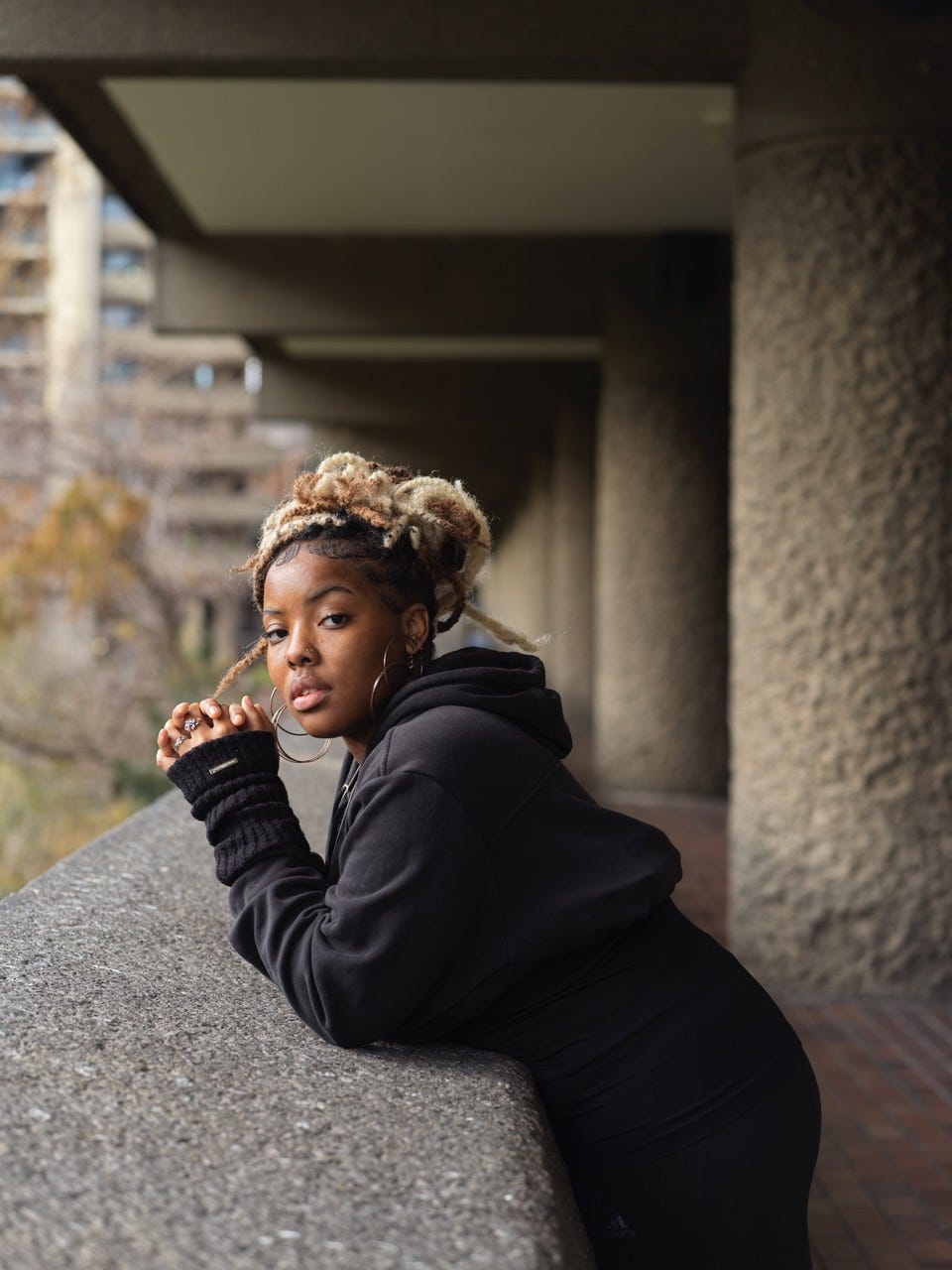
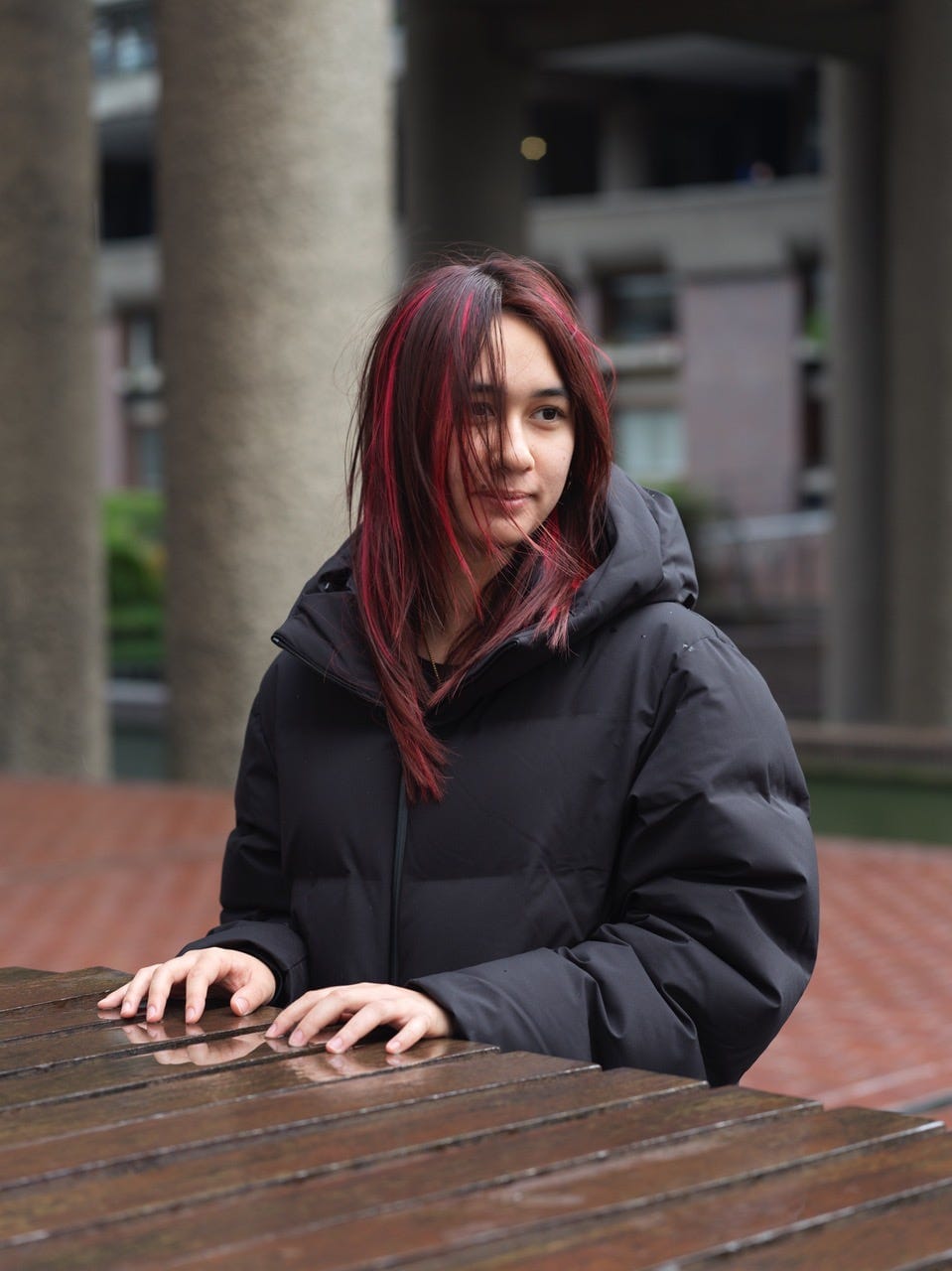
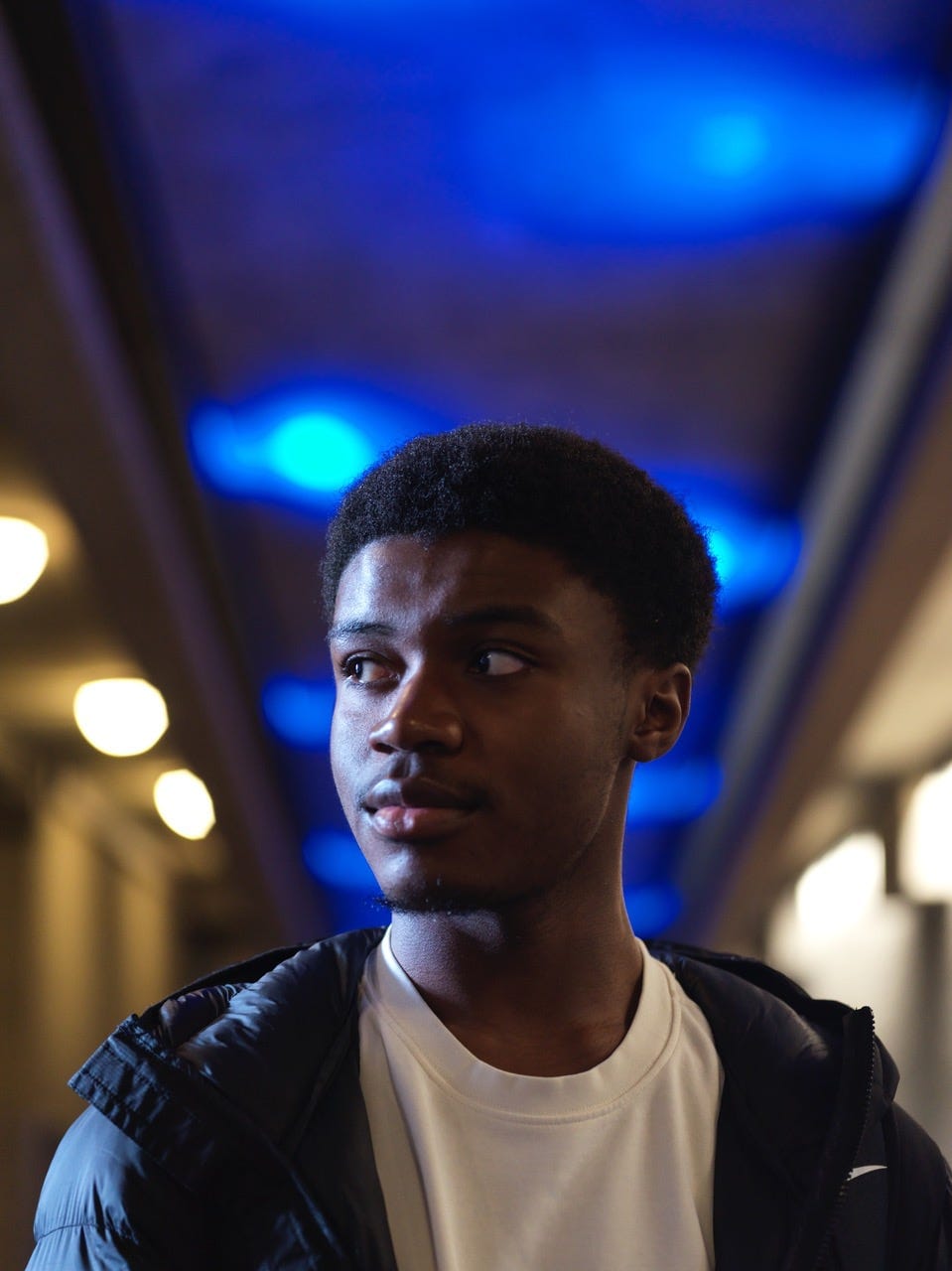
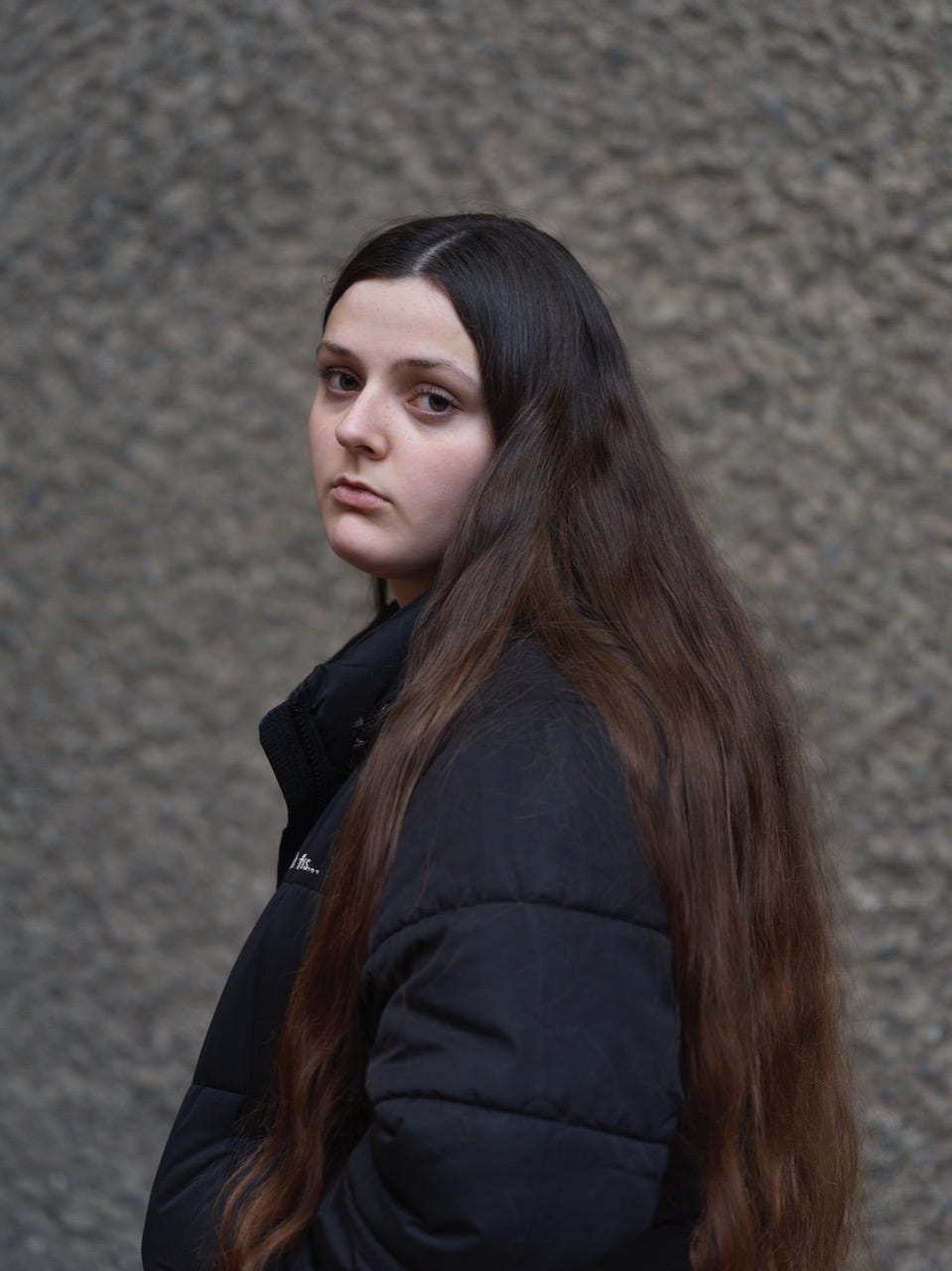
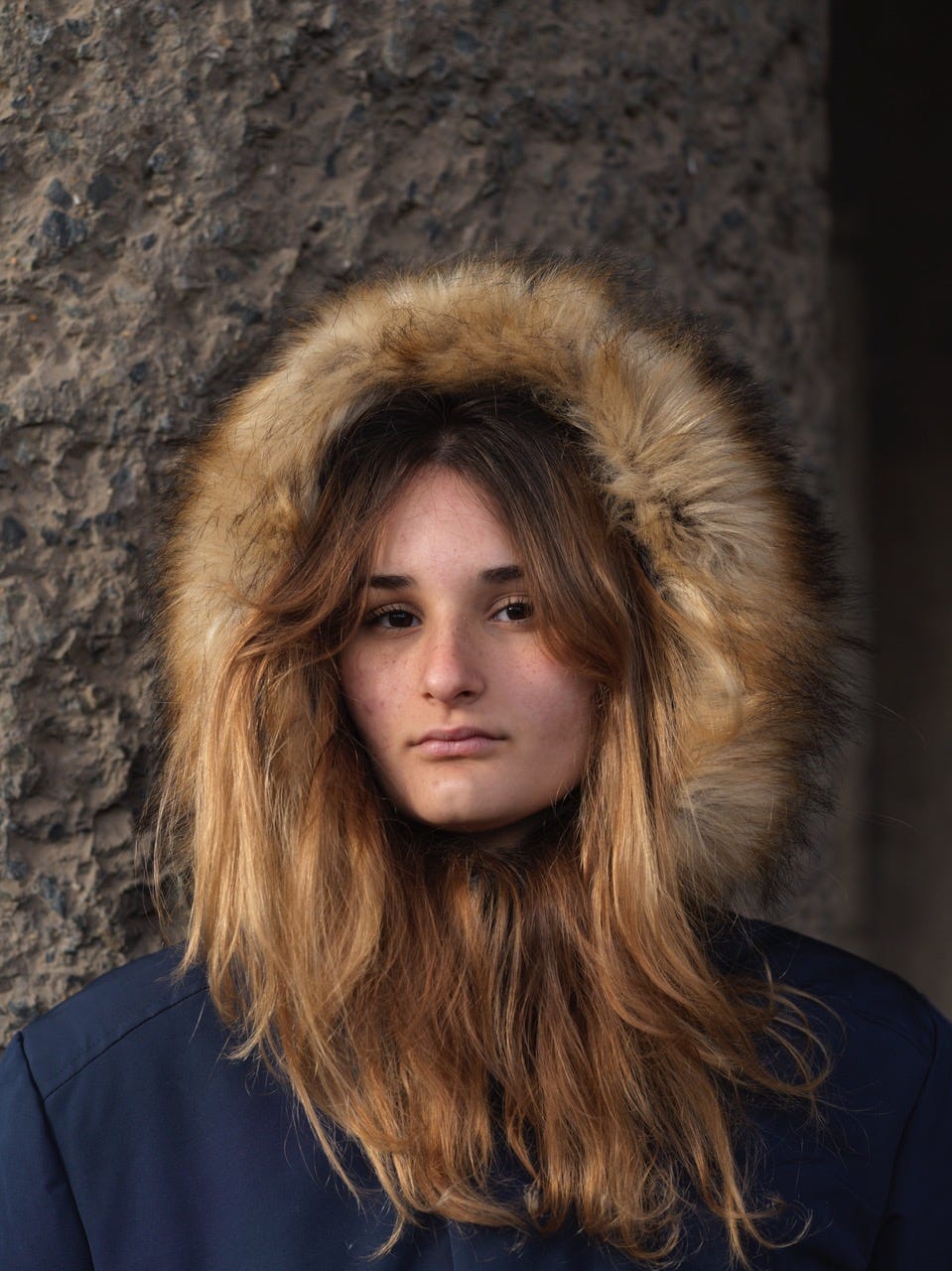
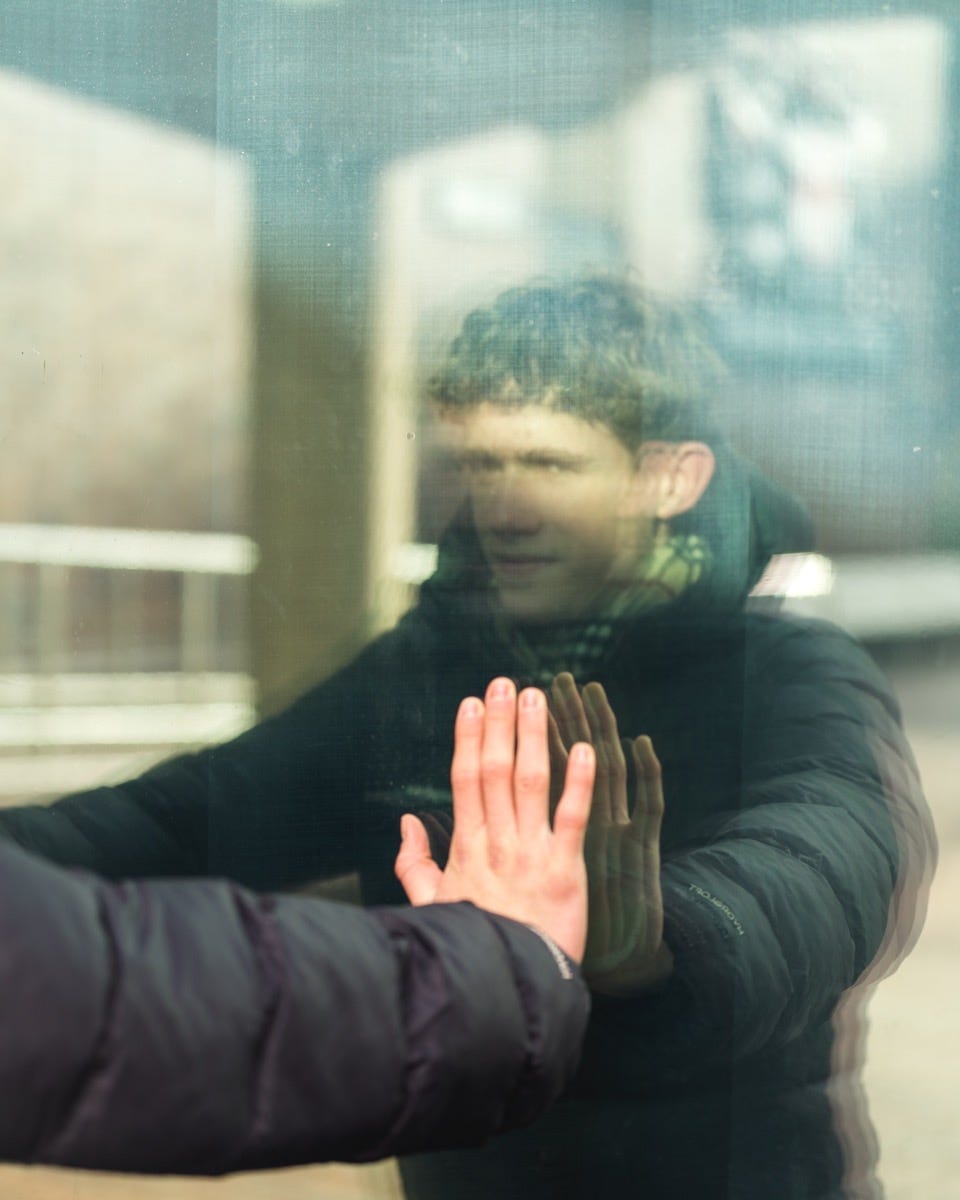
Tereza Červeňová - Barbican Portraits, 2025
Following the demos, we asked the students to explore the Barbican in small groups, looking for interesting locations, working with different light sources and collaborating where appropriate. They shared access to some of the school’s mirrorless and DSLR cameras. Some of them had brought their own. I’d also brought along my Mamiya RB67, loaded with Portra 800, one of the school’s Bronica ETRSs with Ilford XP2 and a couple of tripods. The students all had free lightmeter apps installed on their phones. I also had my own Hasselblad medium format camera which a couple of the students used.
Tereza and I (plus, on Day #1, Yasmin, our school’s fantastic communications officer) retired to the café whilst the students got on with it, using the shot list we had given them for guidance.††
Everyone should try to make the following images:At least one close-up portrait with a shallow depth of fieldAt least one 3/4 or full length environmental portrait paying close attention to the subject’s handsAt least one portrait in which the subject’s face is obscuredSeveral carefully framed, abstract images of the exterior of the Barbican buildingAt least one picture looking from inside to outsideAt least one reflectionAt least one silhouetted figureAt least one close-up still life
The students were invited to bring their pictures to us for feedback, to come along and ask Tereza questions (she insisted on being entirely transparent about the joys and challenges of being a professional photographer), and to seek technical advice about using the cameras.

Here are just a few of the students’ digital images.
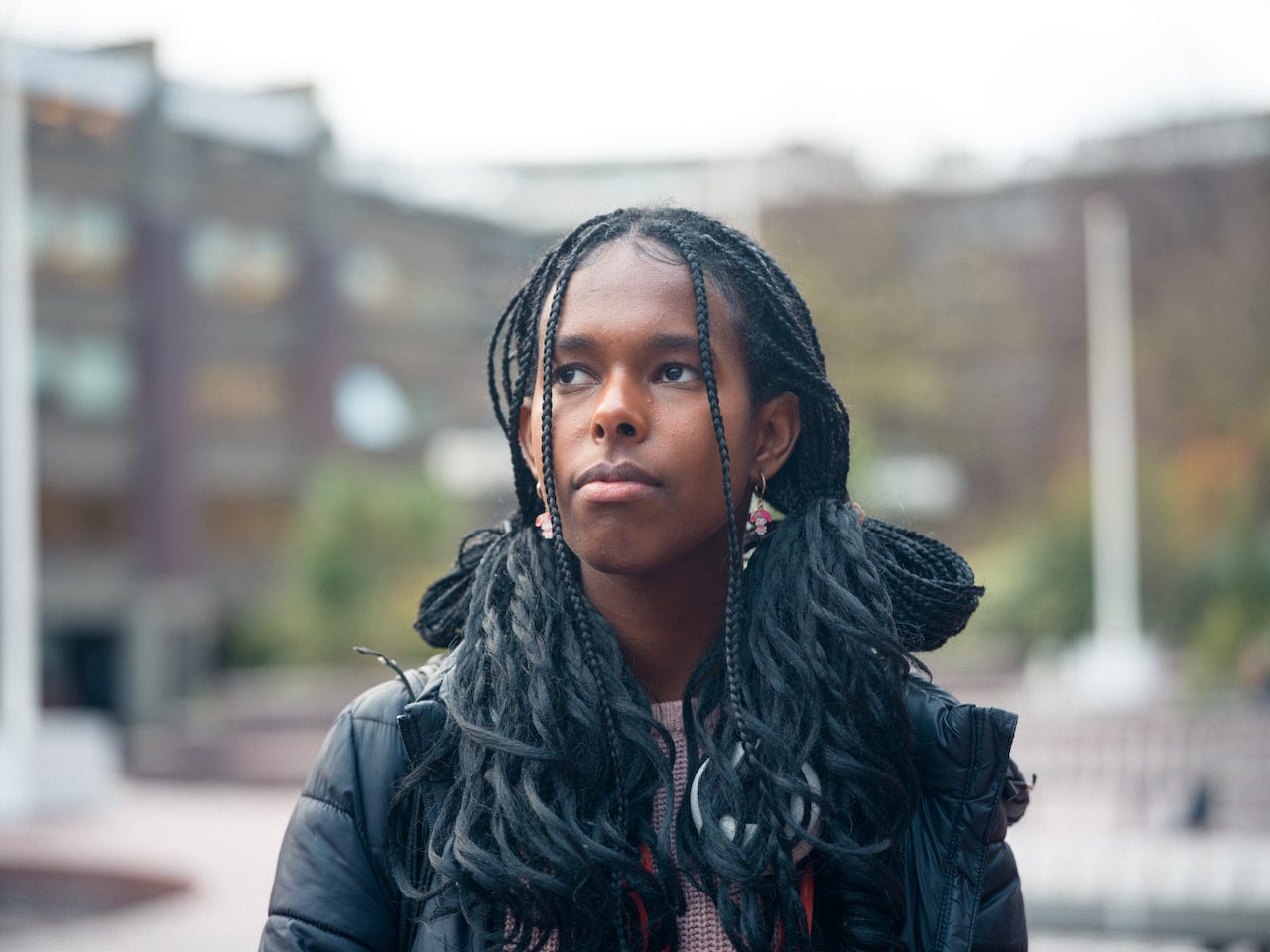
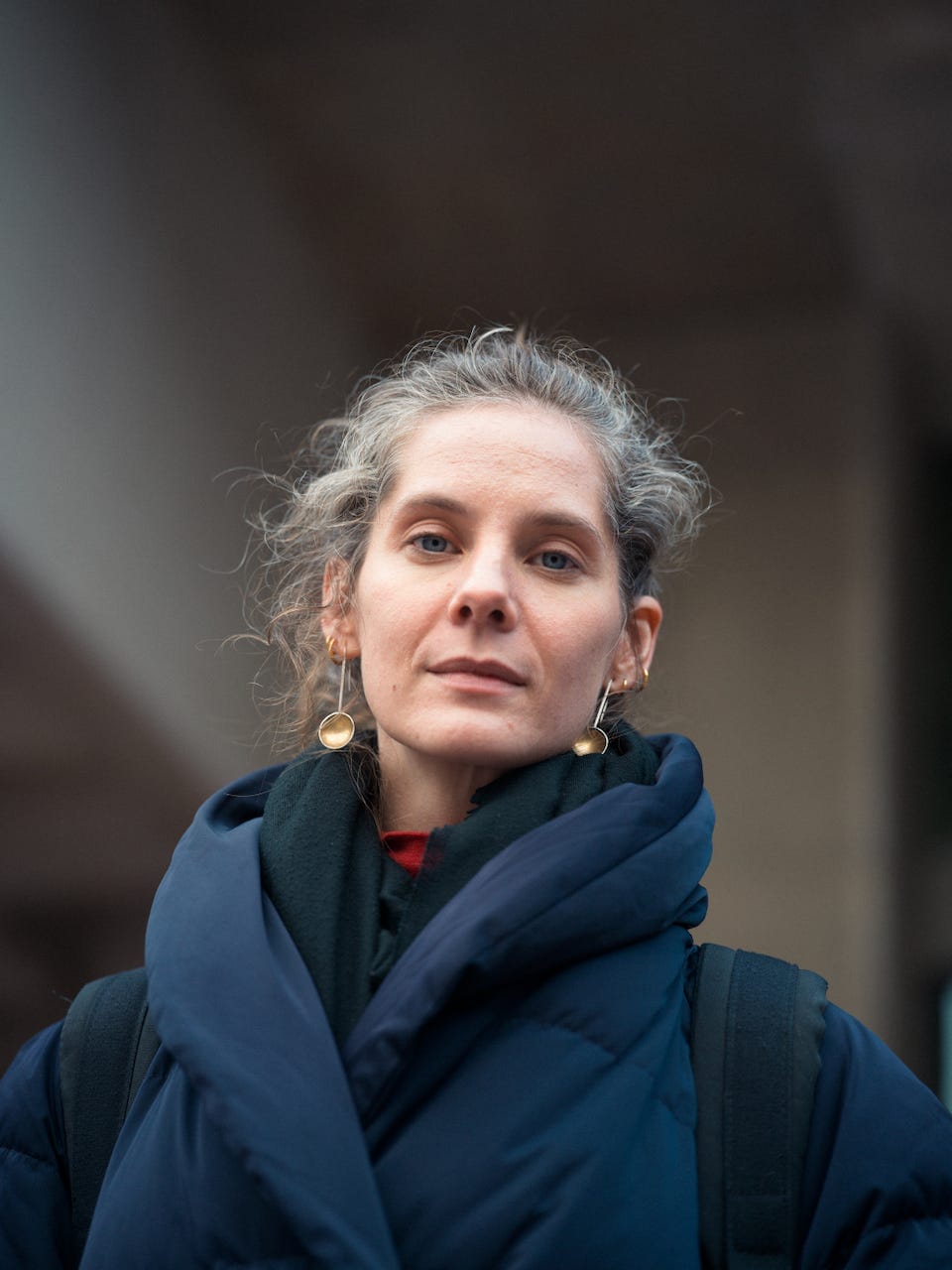
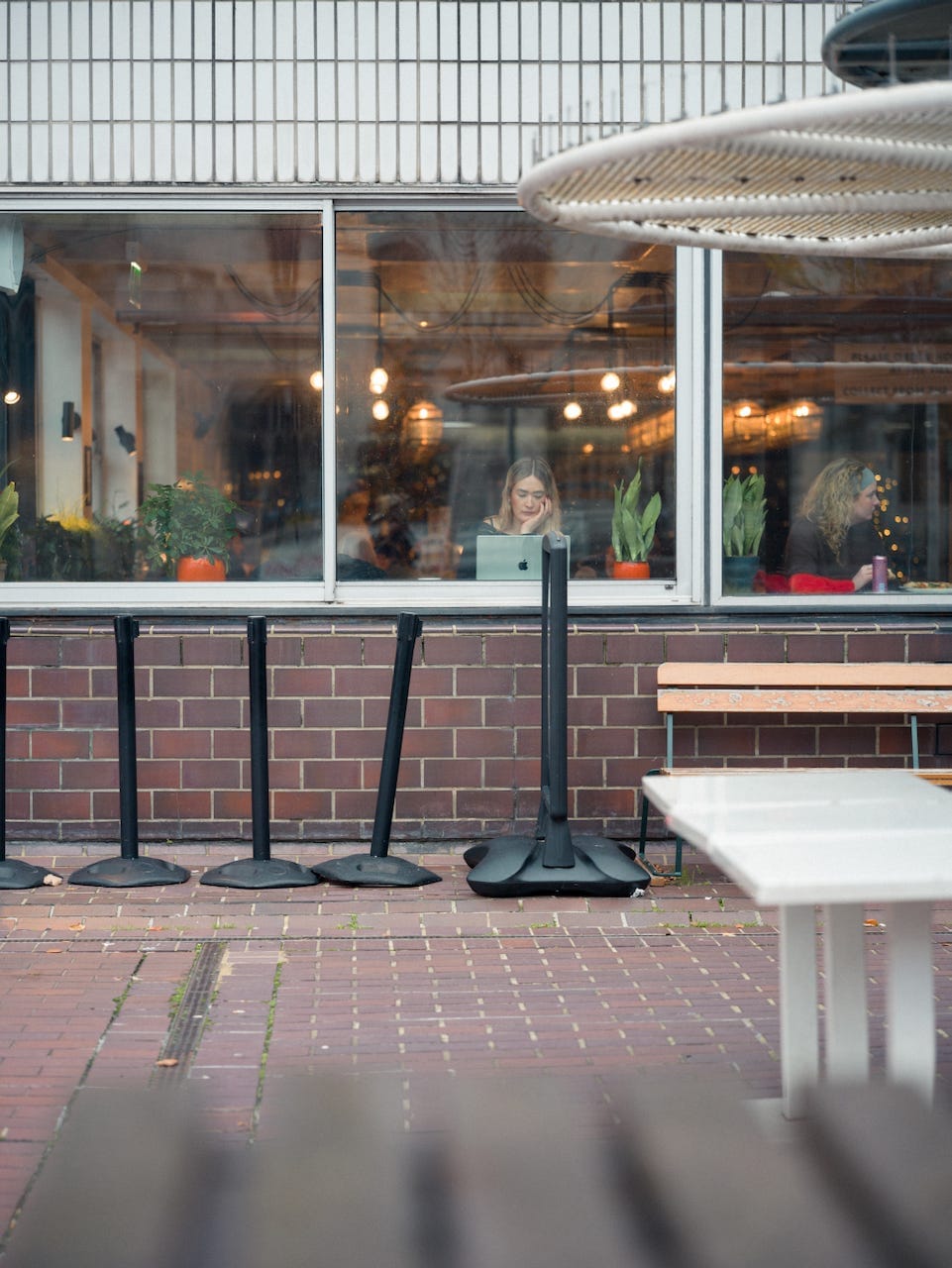
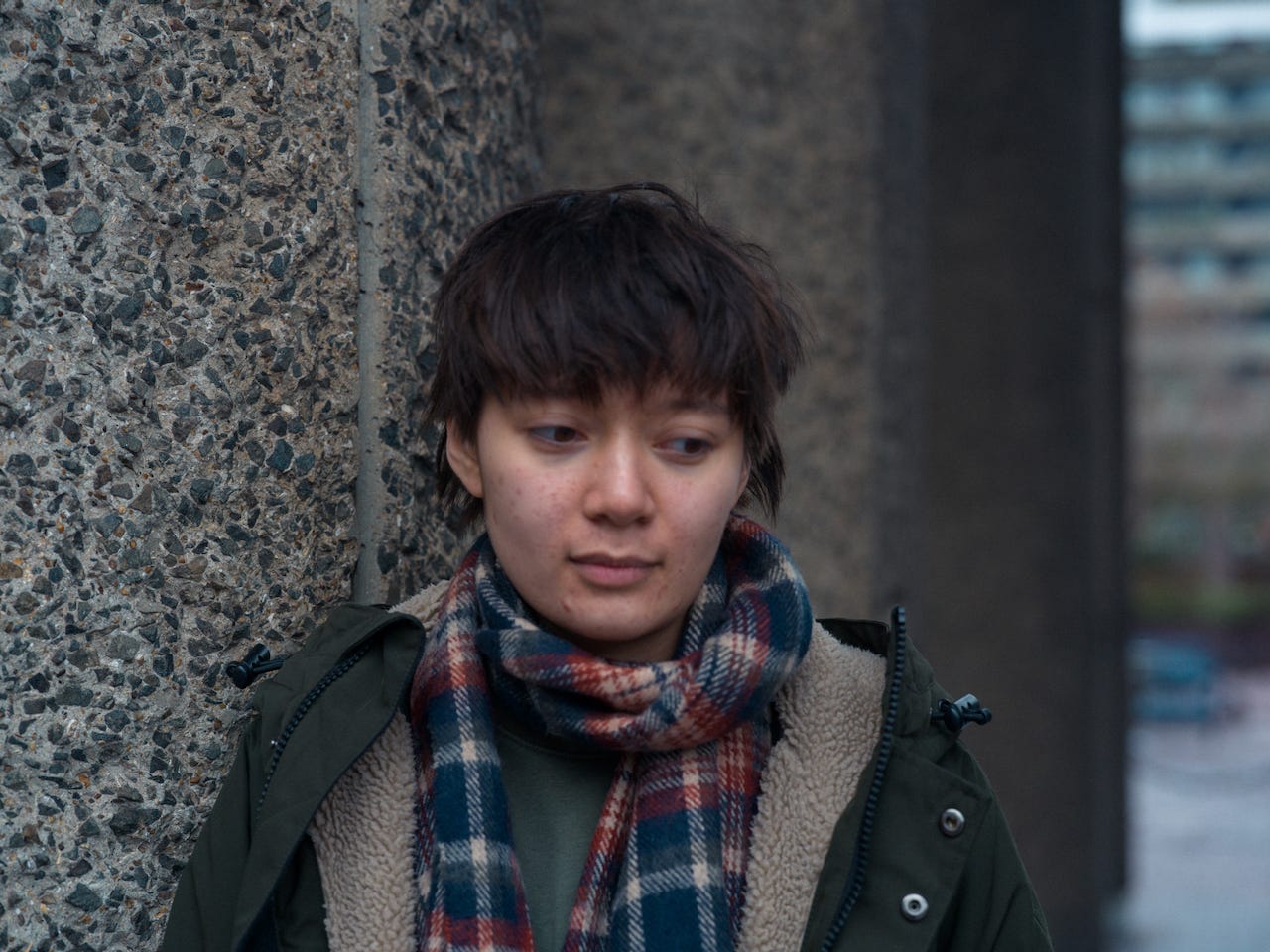
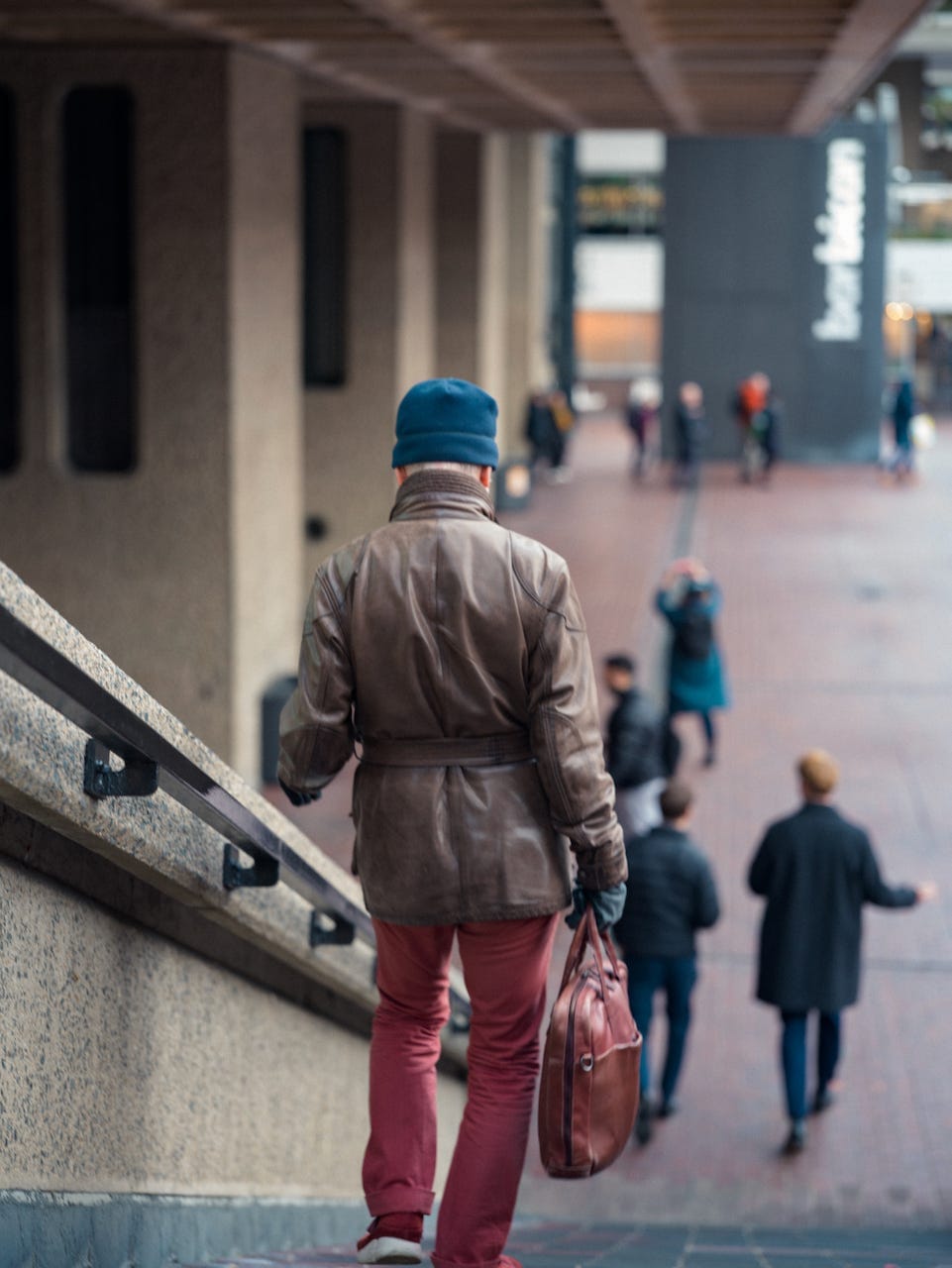
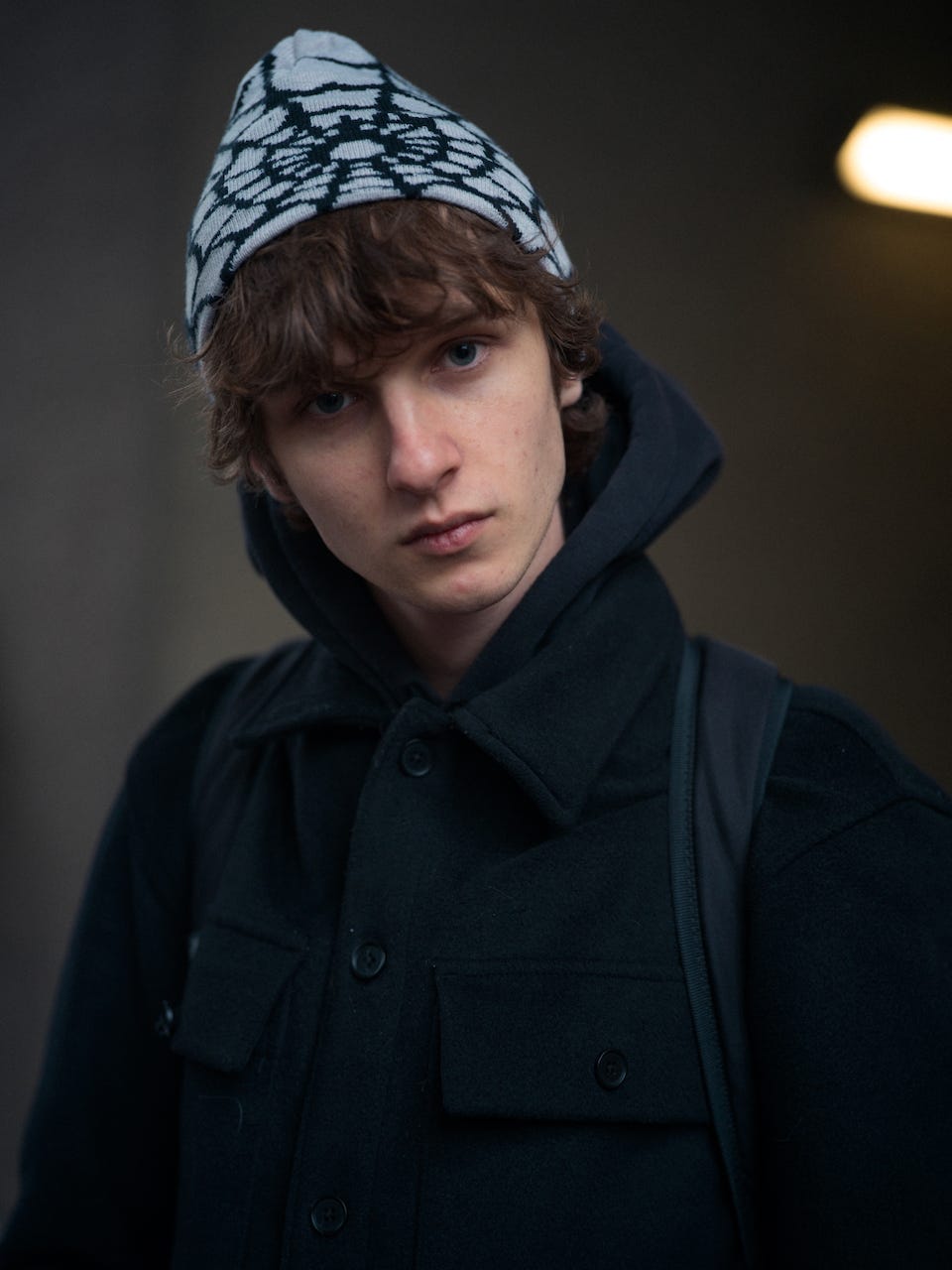
Year 12 and 13 A-level photographers' pictures
And here are some they shot on film:
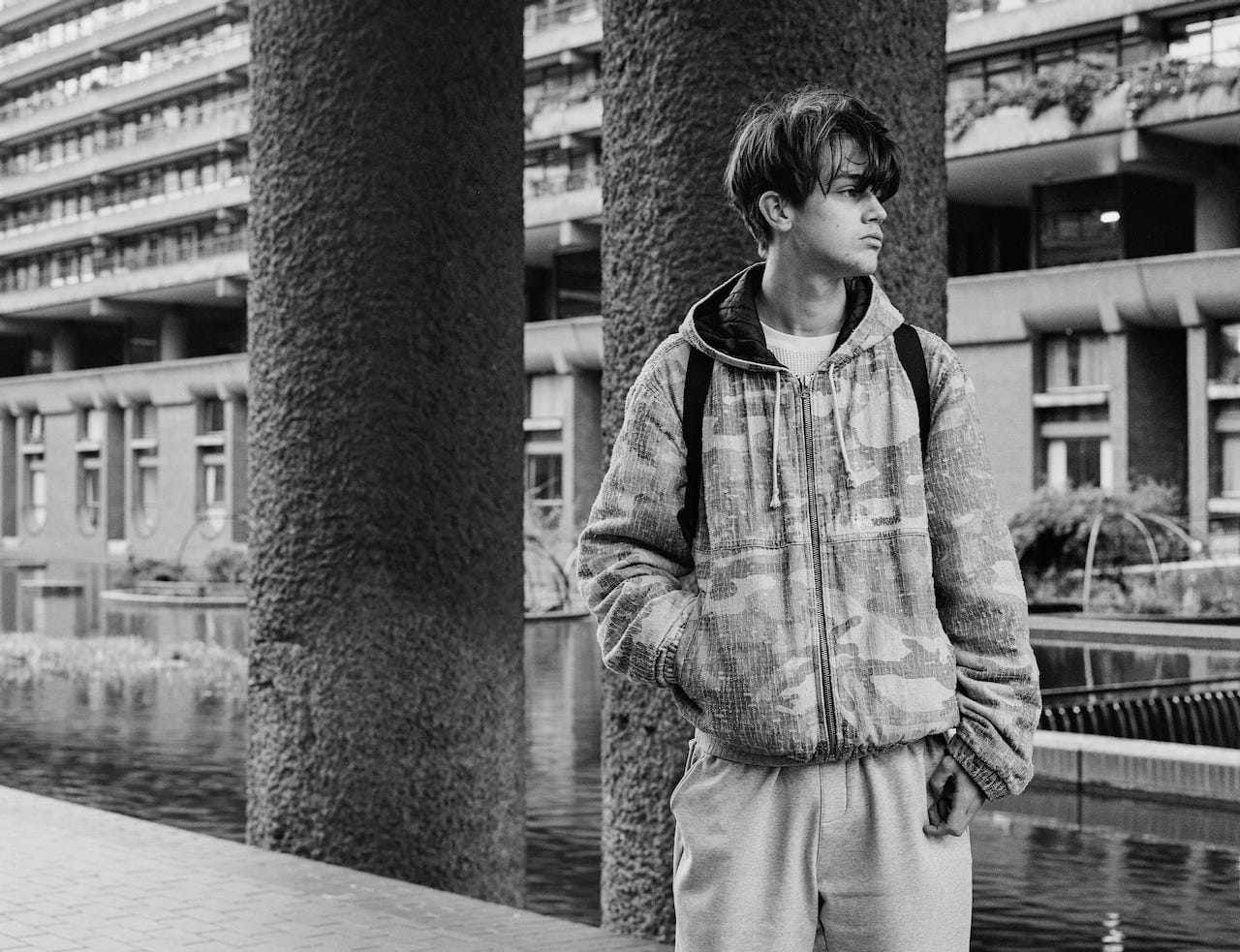
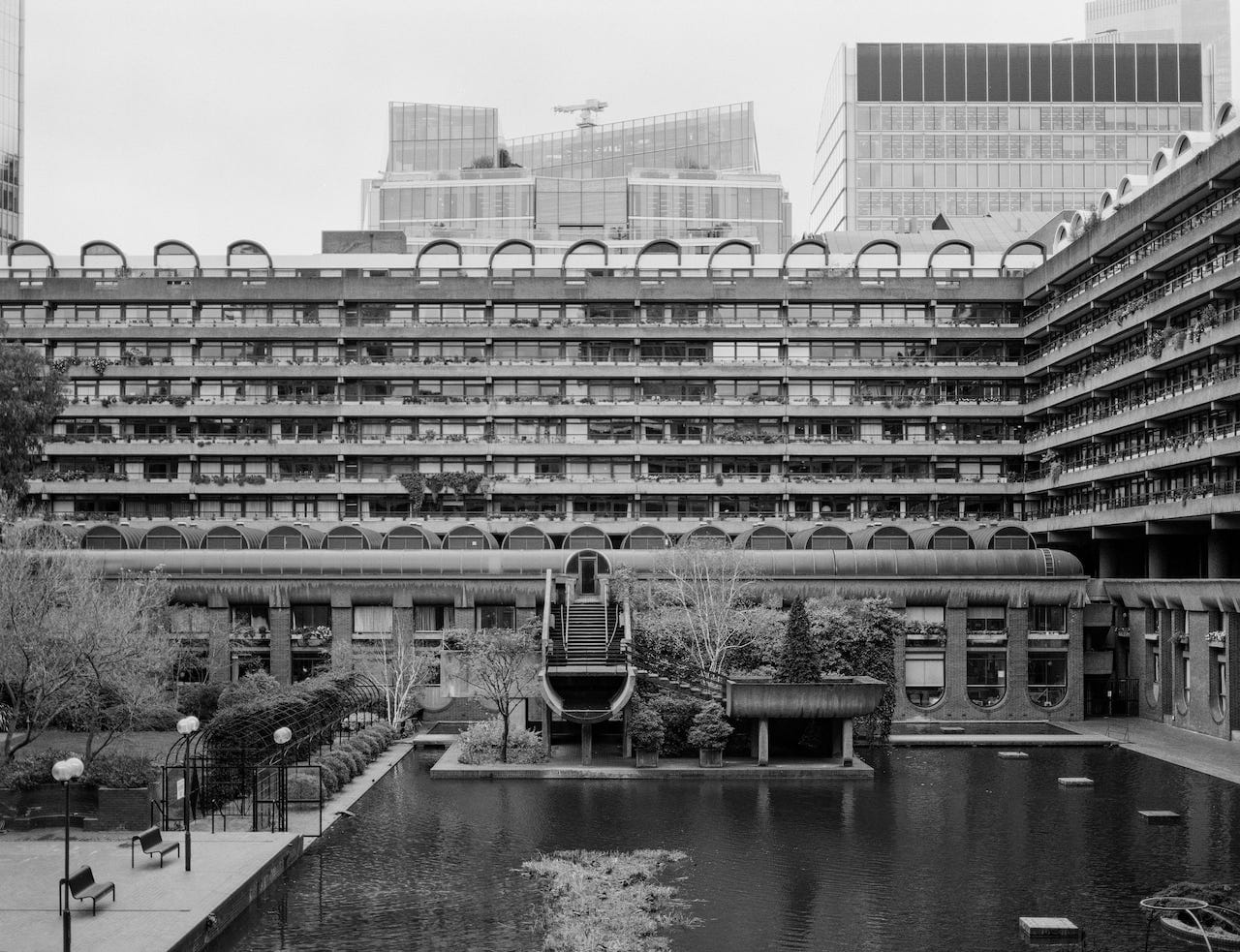
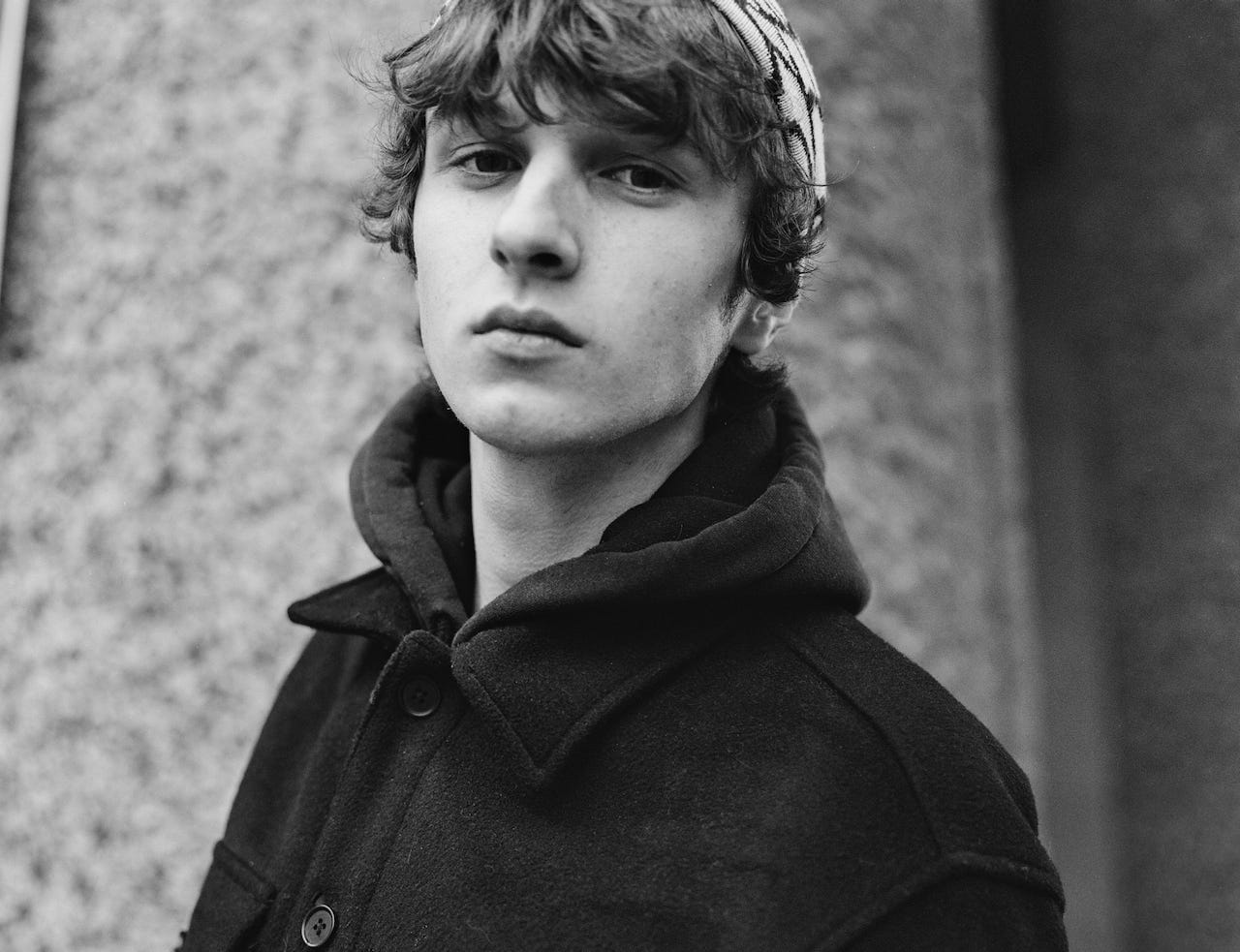
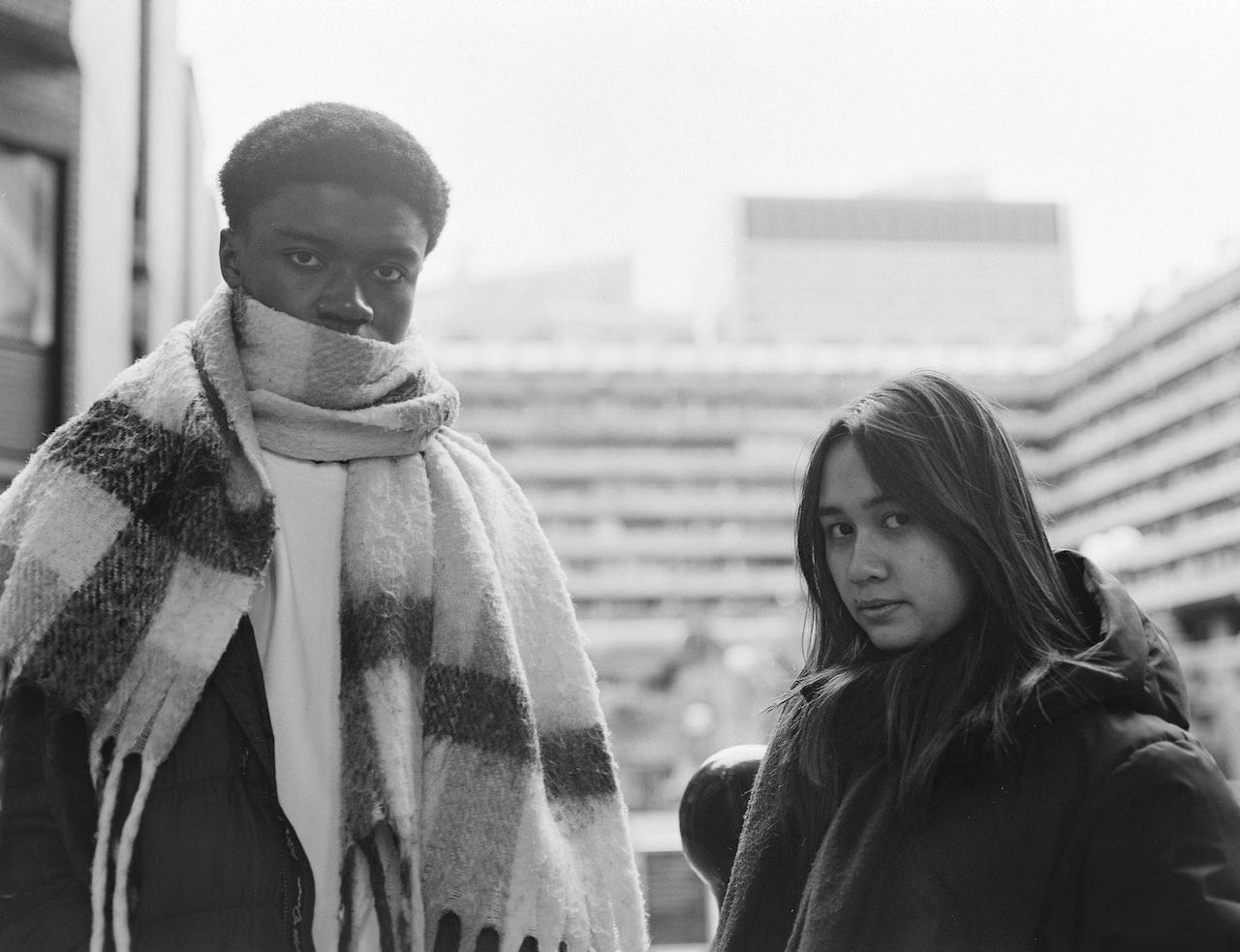
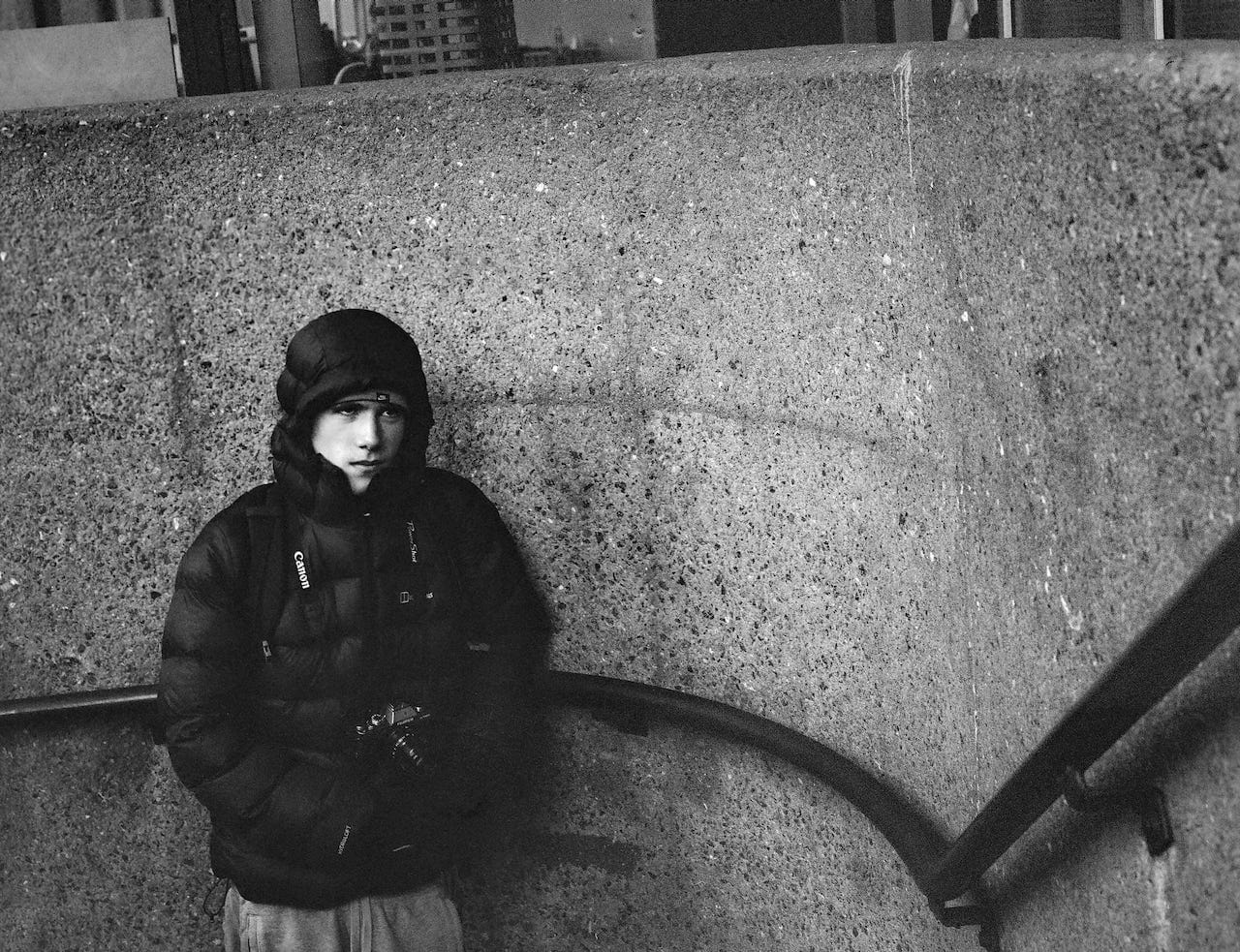
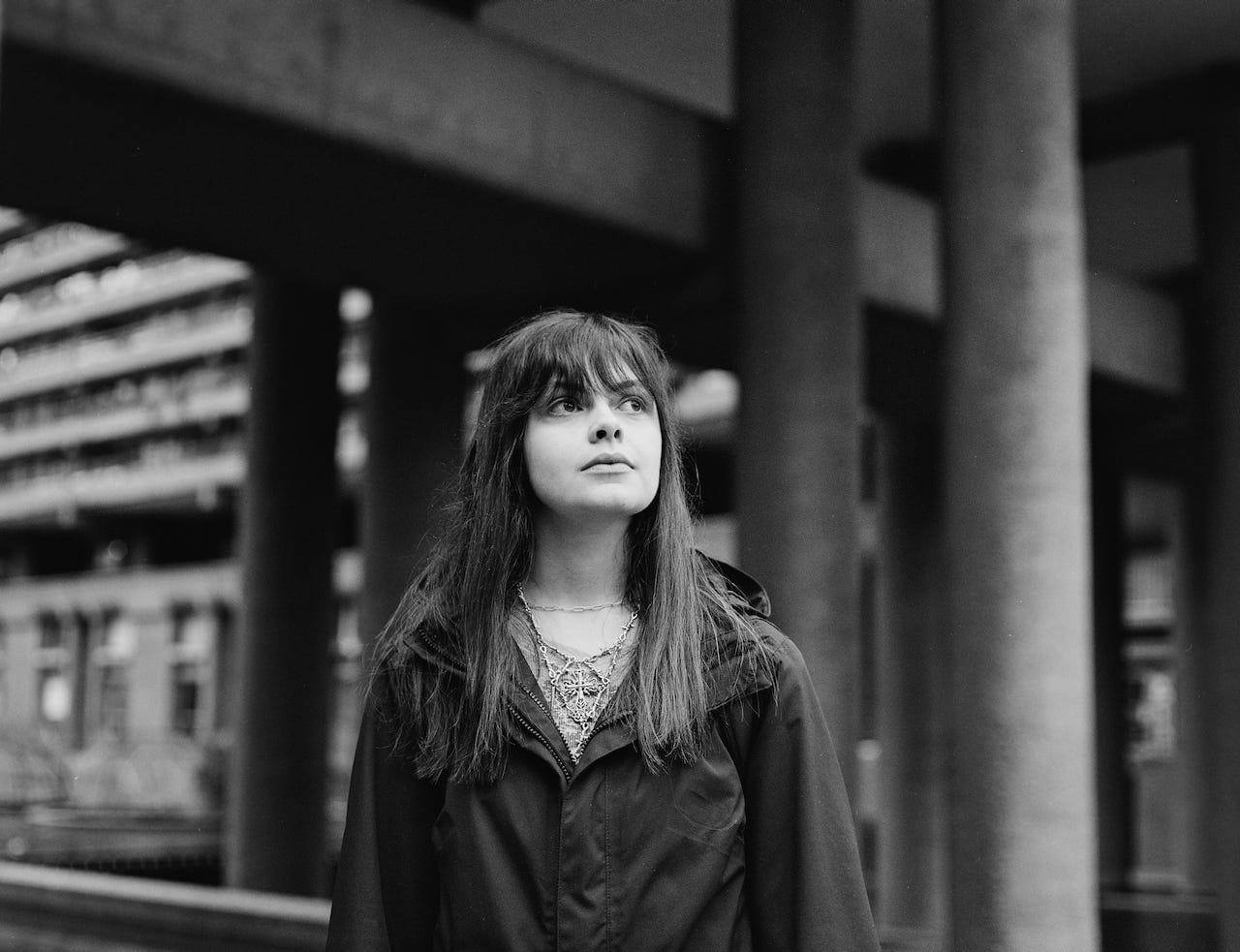
Portraits made by Year 12 and 13 photographers at the Barbican
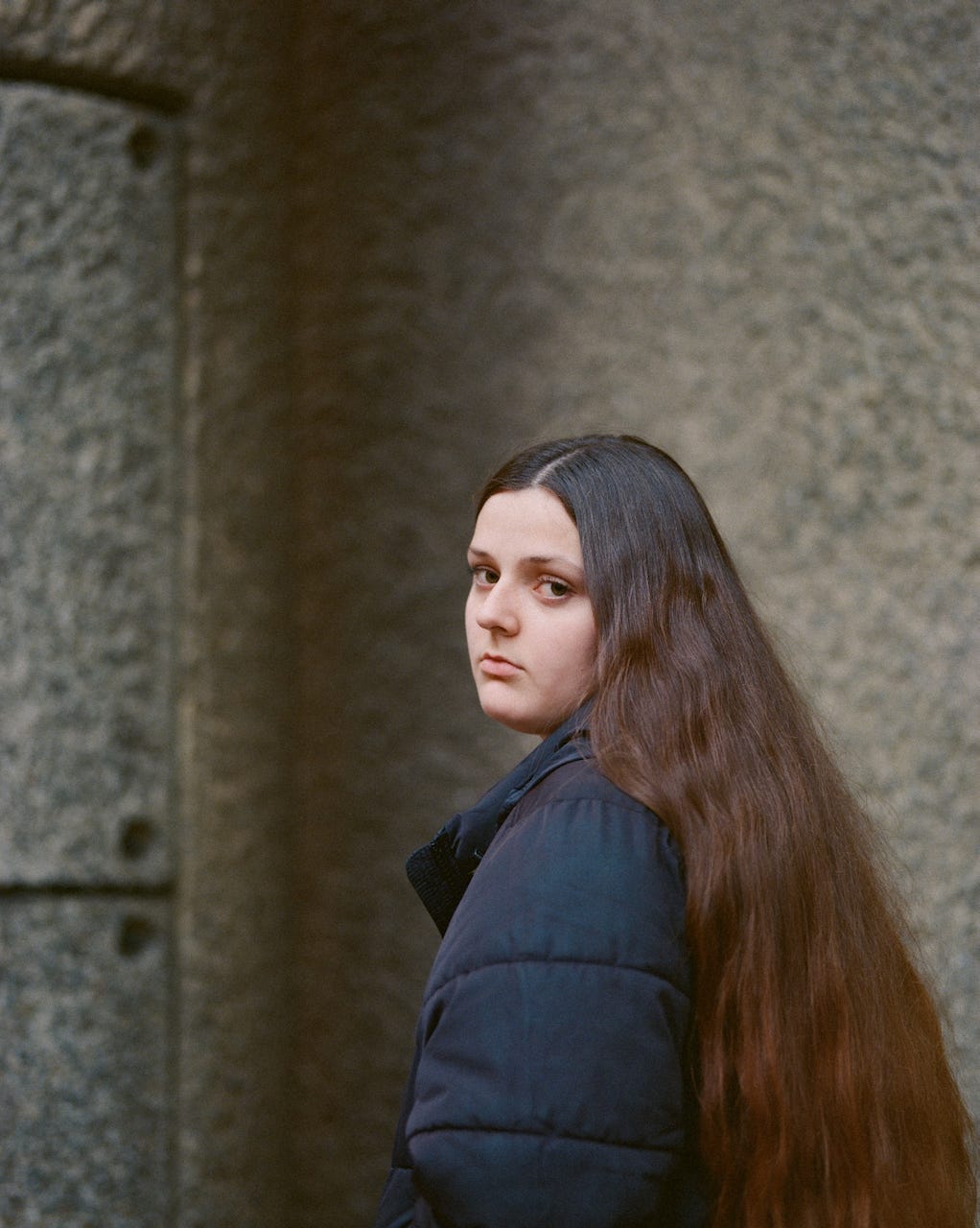
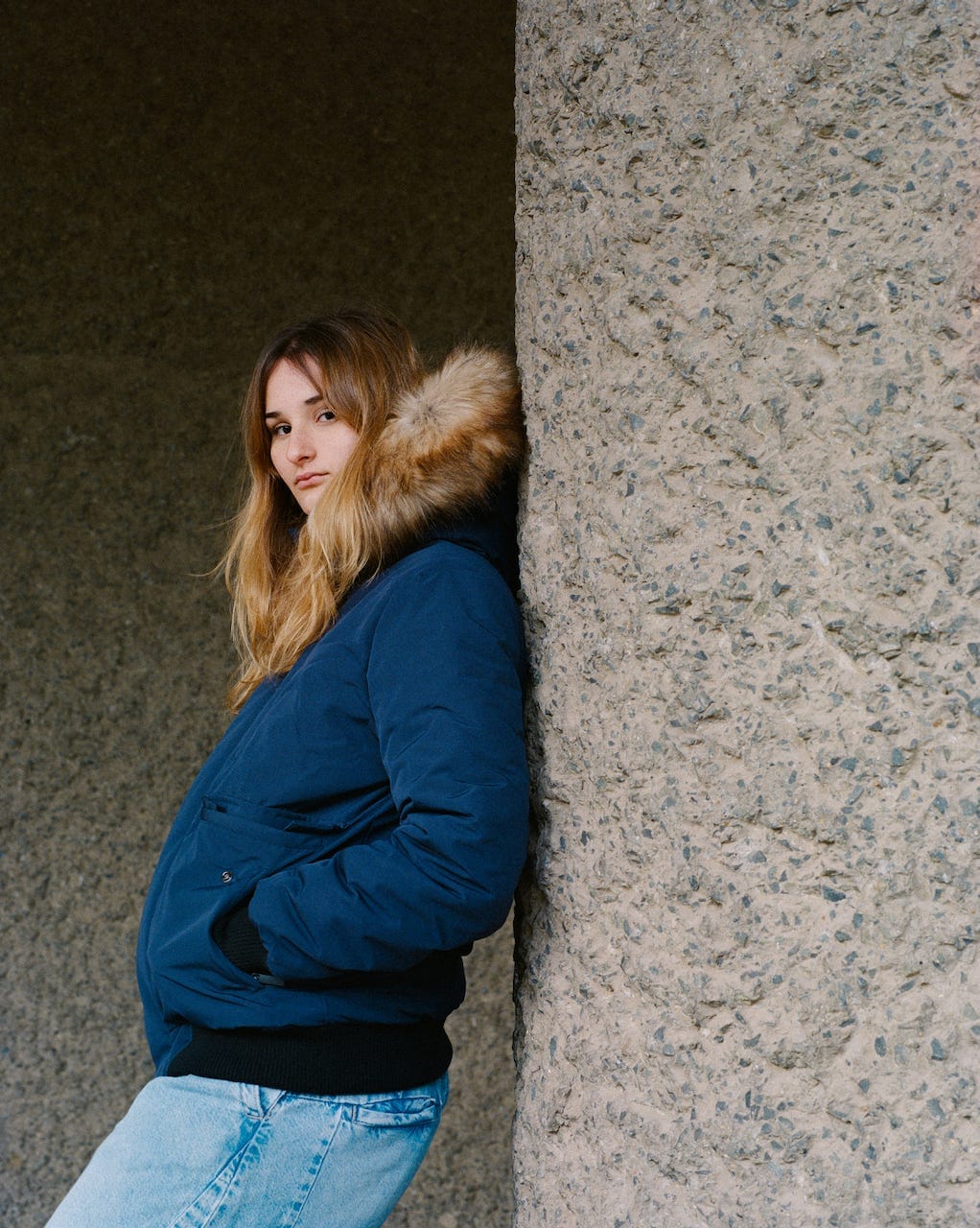
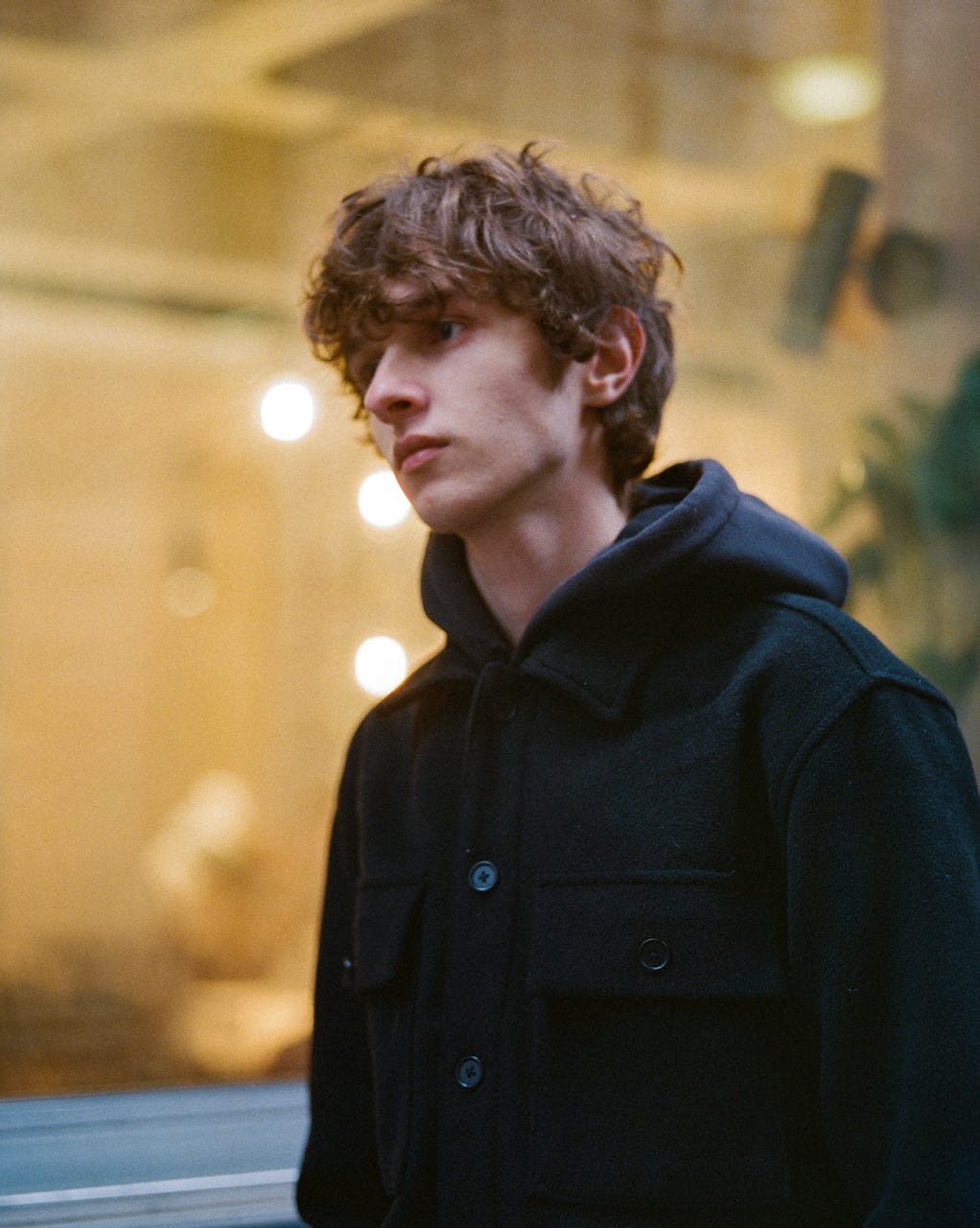
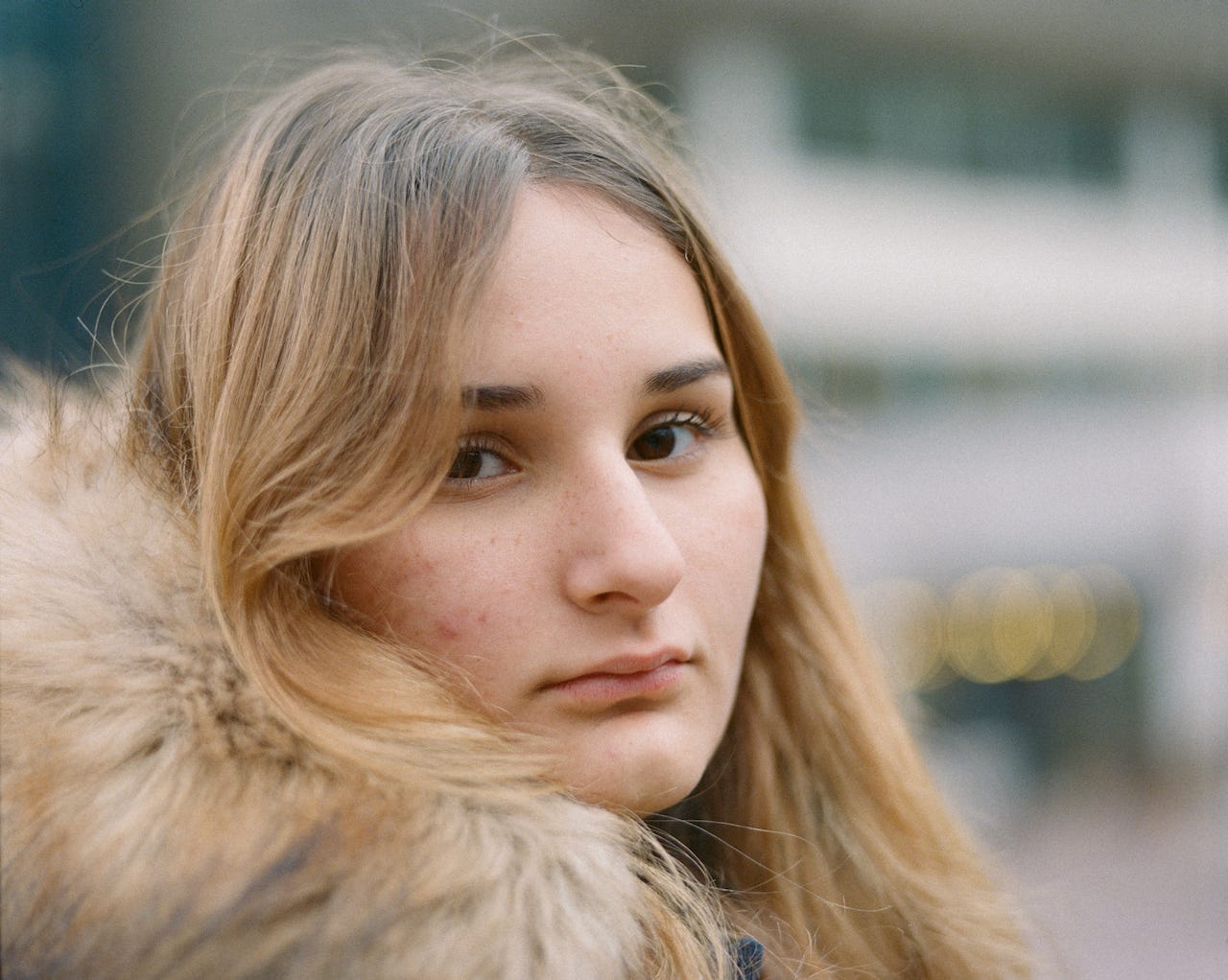
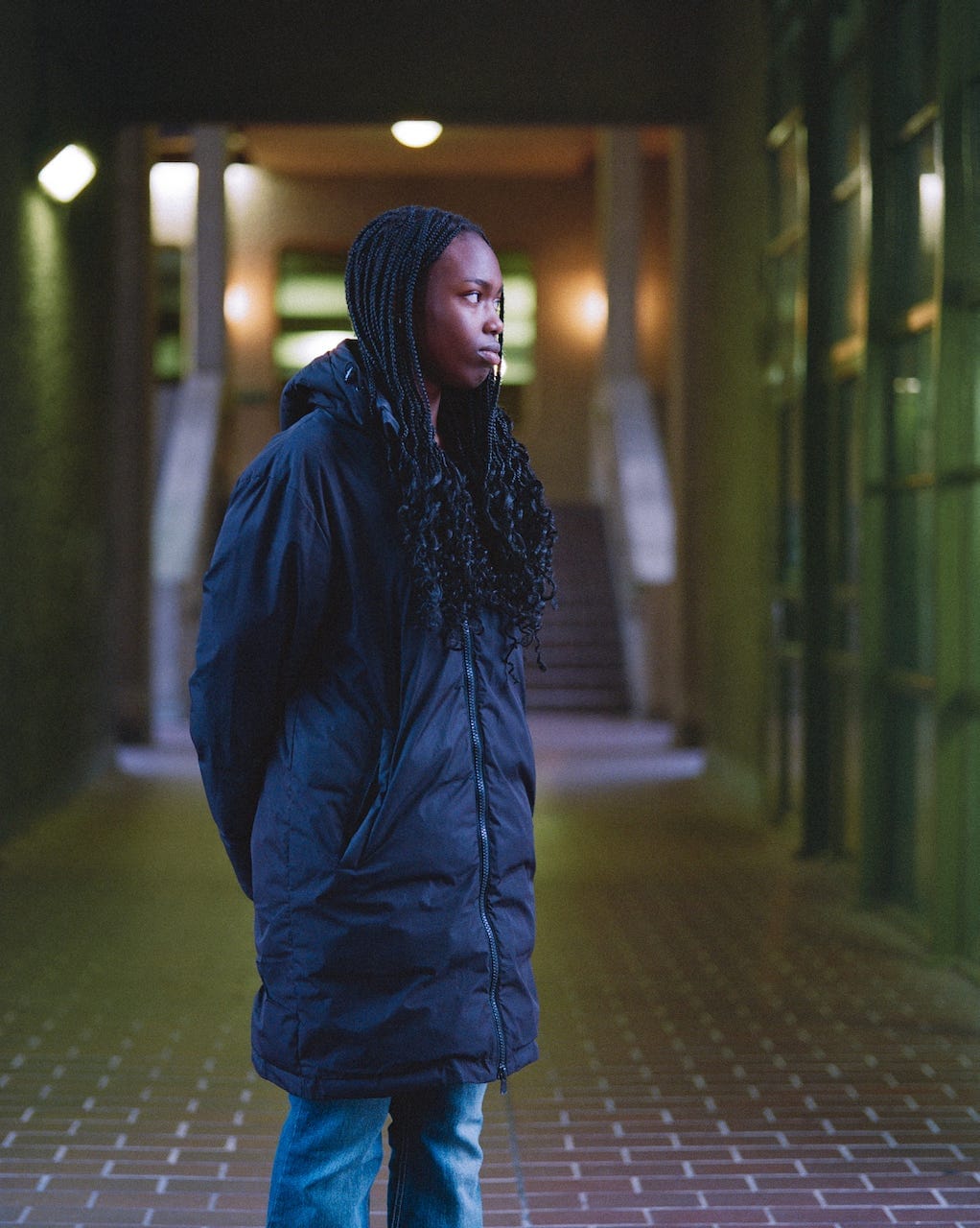
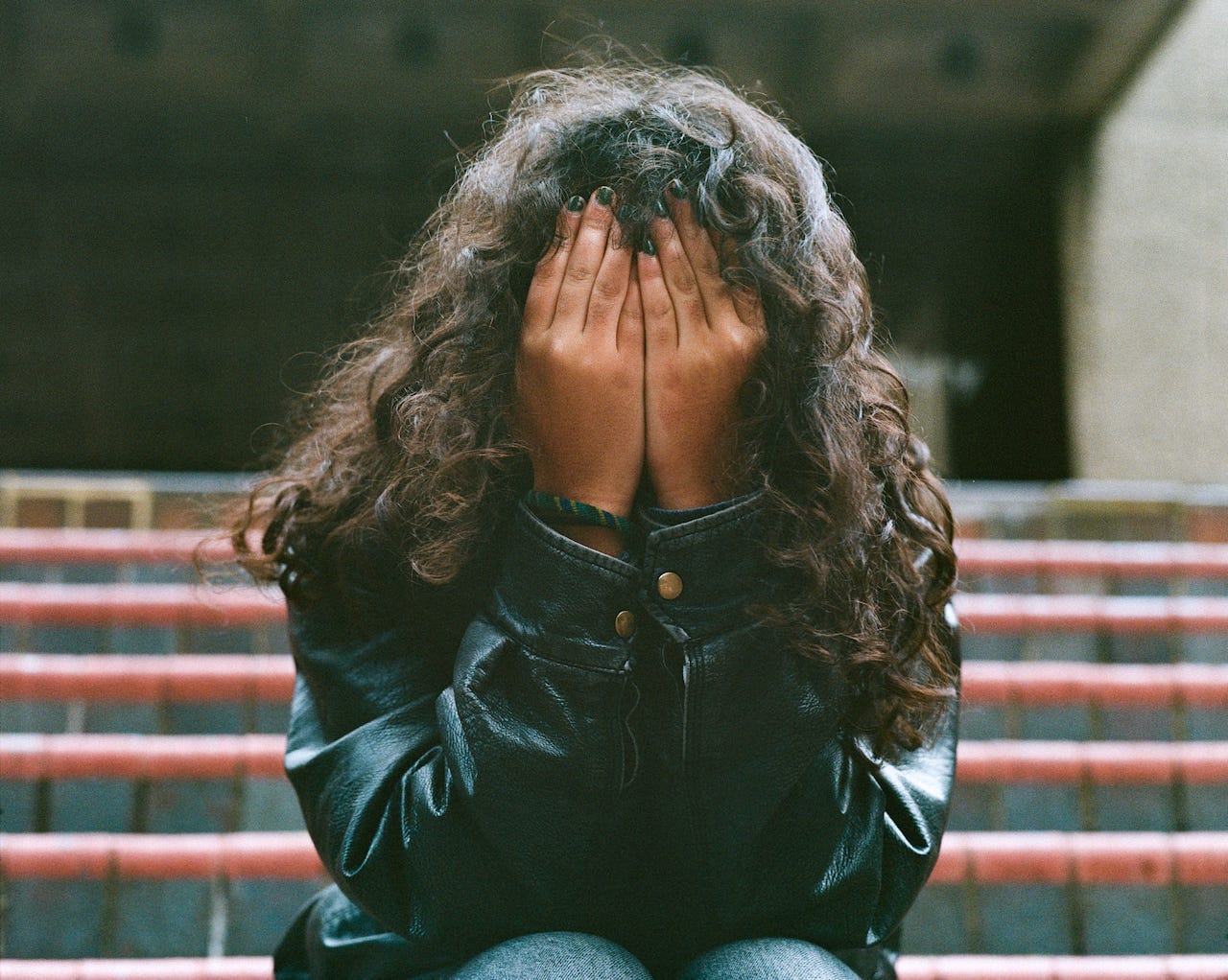
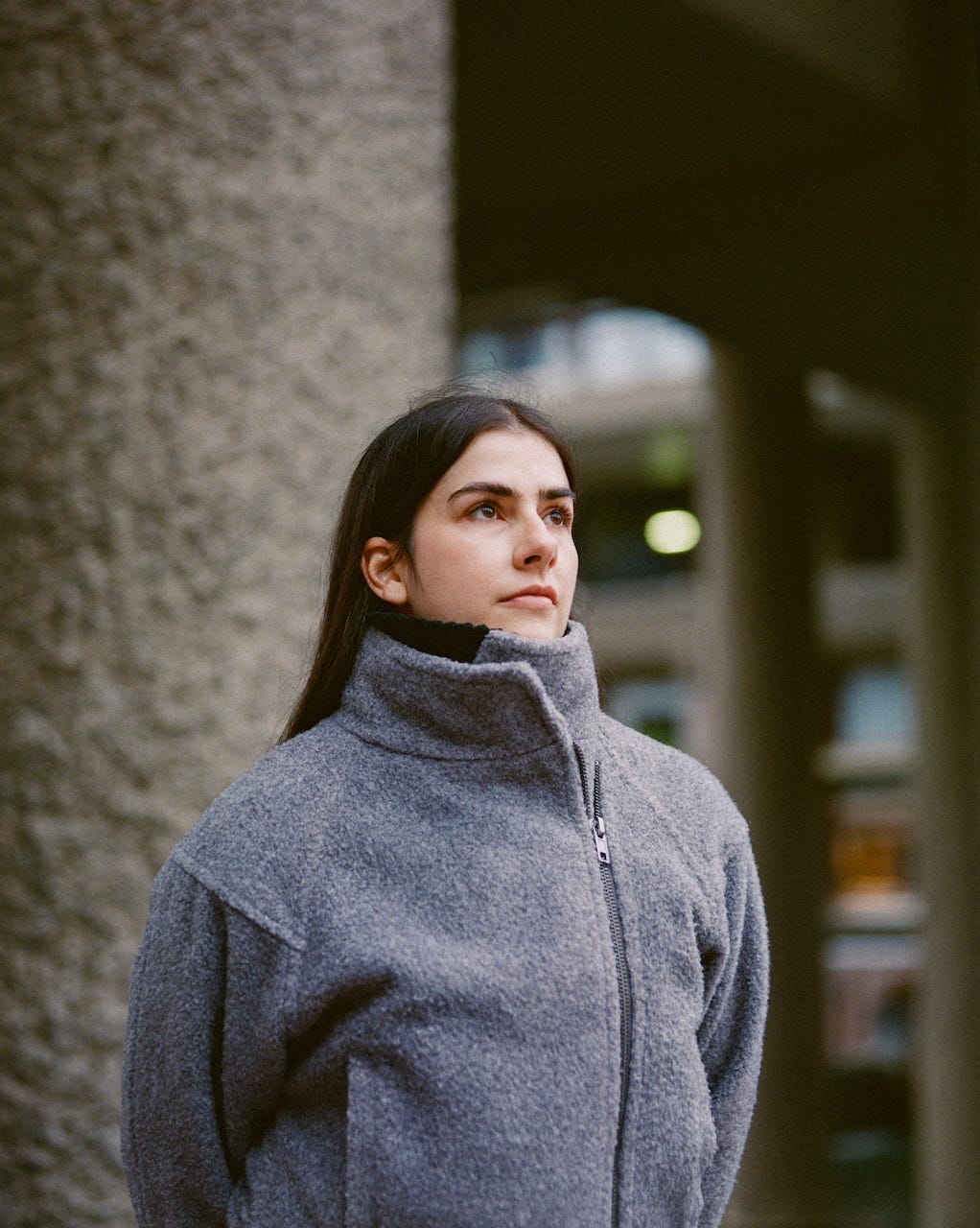
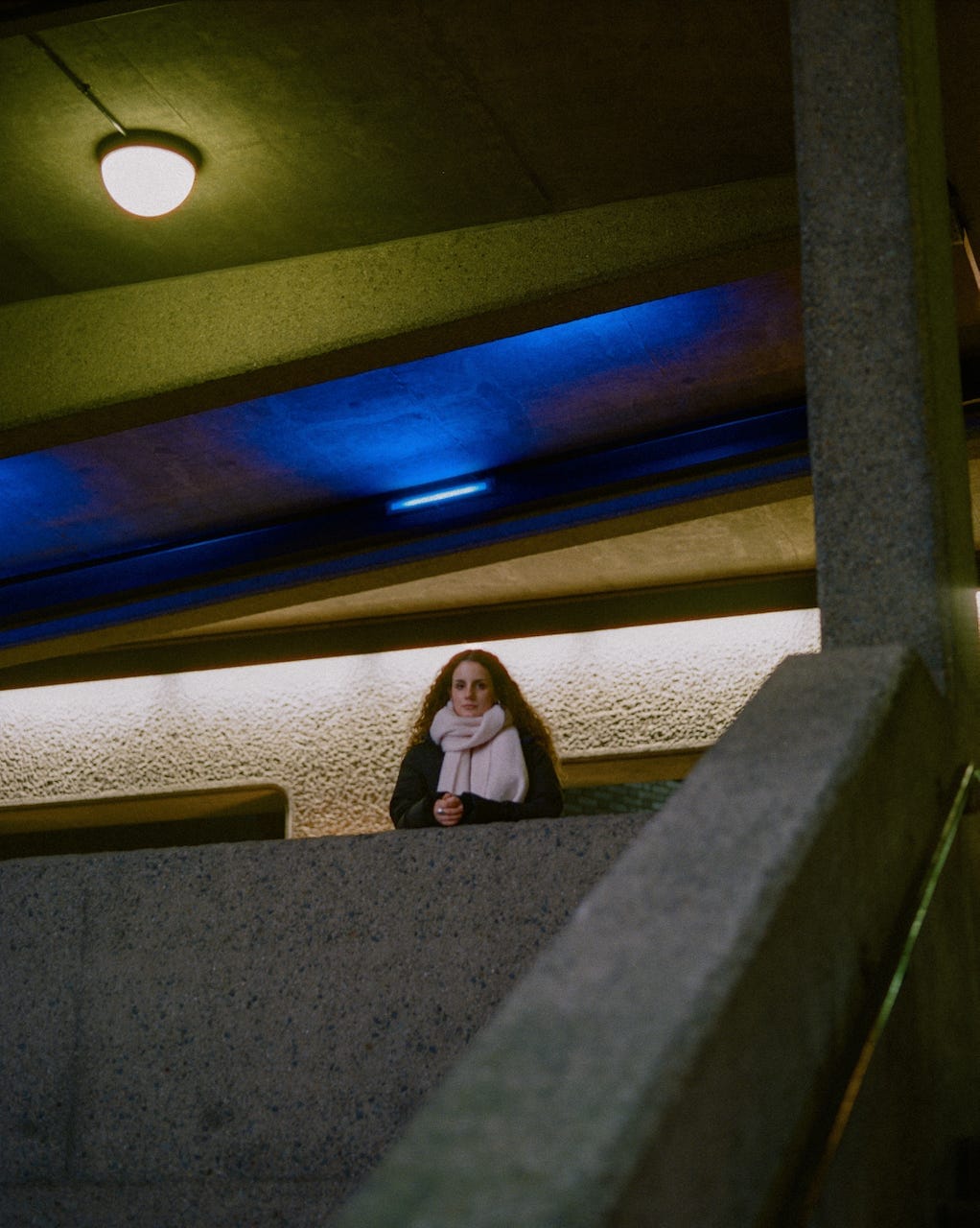
Portraits made by Year 12 and 13 photographers at the Barbican
It’s clear to me that both groups really benefitted from Tereza’s calm, encouraging and expert intervention. You can see it in their pictures. We’ve had some success in school on polishing our portraiture techniques, slowing down and looking carefully, but there’s nothing like hearing detailed, nuanced and wise advice from a professional photographer on location; someone who has refined their craft over a number of years, won prizes, had exhibitions and published books.
The magic ingredient
Here are Tereza’s reflections on the experience:
Spending two days with Jon and the students from Thomas Tallis School was such a rejuvenating gift and breath of fresh air for me. I love working with young people and miss teaching dearly, and so even bigger was my joy and reward to work with a cohort which is incredibly engaged, eager to learn and willing to experiment. From thoughtful reflections in the Autograph gallery, to playful experimentation with the portrait sessions, to the brave questions about what it is like to be a photographer in today’s world, they showed interest and care. It was an absolute joy.
— Tereza Červeňová
I am so grateful to Tereza for taking a risk on us and for giving the students such a valuable opportunity.
These trips were something of an experiment. Combining the exhibition visit with an artist workshop and mentoring, on location, using both digital and film cameras, was a new experience for all of us.9 Whilst it’s not always possible (restrictions of time and money are the most significant barriers) I’m determined to do this again, maybe even making it a model for future trips.
Of course, none of it would have been possible without the cooperation, creativity and good company of our lovely students, so thanks to them for making my job such an unbelievable pleasure.
Thanks for reading PhotoPedagogy! Subscribe for free to receive new posts.
These posts will always be free but, if you enjoy reading them, you can support my analogue photography habit, and that of my students, by contributing to the film fund. Thanks to those of you who have already done so. All donations of whatever size are very gratefully received.
* Gert Biesta has some very interesting views on this. Not school trips specifically, but in providing a good education that supports young people’s efforts to live in and with the world in a ‘grown-up way’. This essay is a great place to start if you’re interested.
† At least 2 hours and sometimes a whole day.
‡ We always offer to pay visiting artists, never presuming that they don’t need the money. We are keen to attract a mixture of young and more established artists. We have very long associations with some, who have gone on to great things and who we can no longer really afford!
§ A few years ago we were commissioned by The Royal Photographic Society to create a resource to support student visits to galleries/museums; an attempt to animate the process of looking at, working with and thinking about images.
‖ A massive thank you to Jolie Hockings, Autograph’s Engagement Curator, for her support and expertise.
¶ The two day event began at Tate Modern and moved to Autograph. Danny Treacy led activities on Day #1 with Tereza Červeňová taking over on Day #2, which culminated in this slightly surreal group performance:
** The book of this project, Nymph, is one of my favourite publications.
†† We made it clear that this wasn’t a shopping list. The students might develop a particular interest in a couple of different types of picture-making. But they should attempt to make a range of images, keeping the idea of an imaginary professional brief in mind.
‡‡ I’m hopeful we can get her into school soon to review the pictures with the students and answer some more of their questions.