Who Blinks First
Some thoughts on teaching for people who prefer to teach.

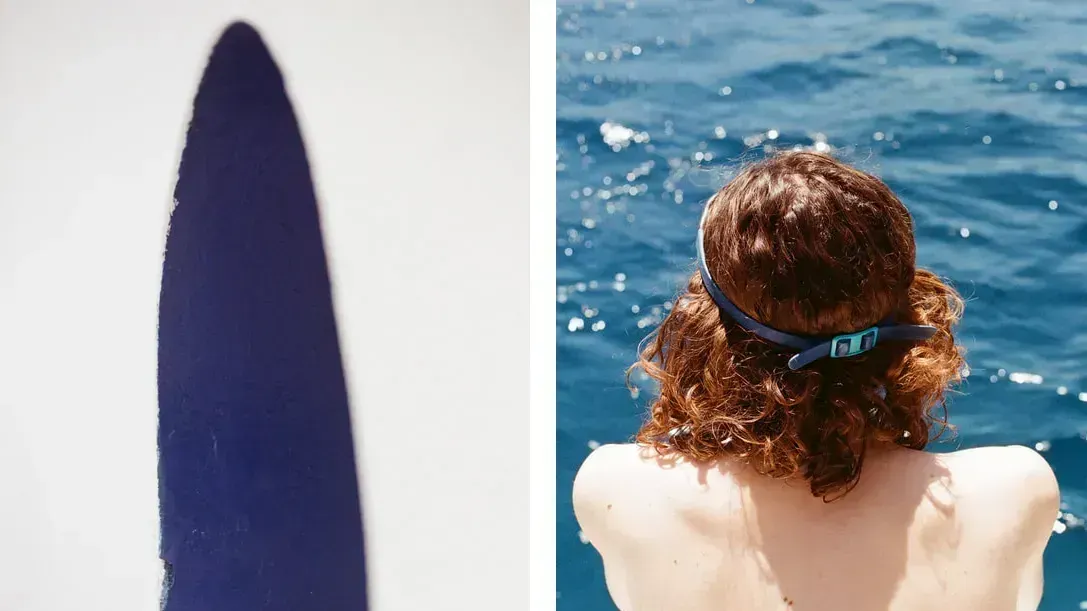
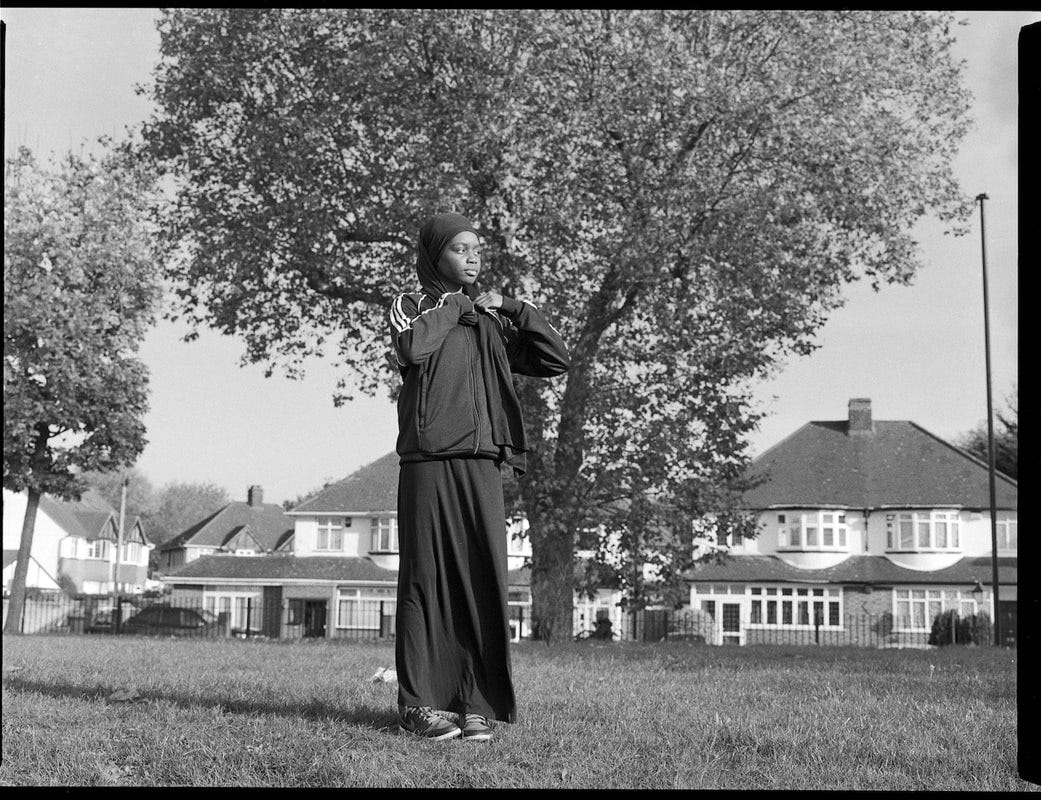
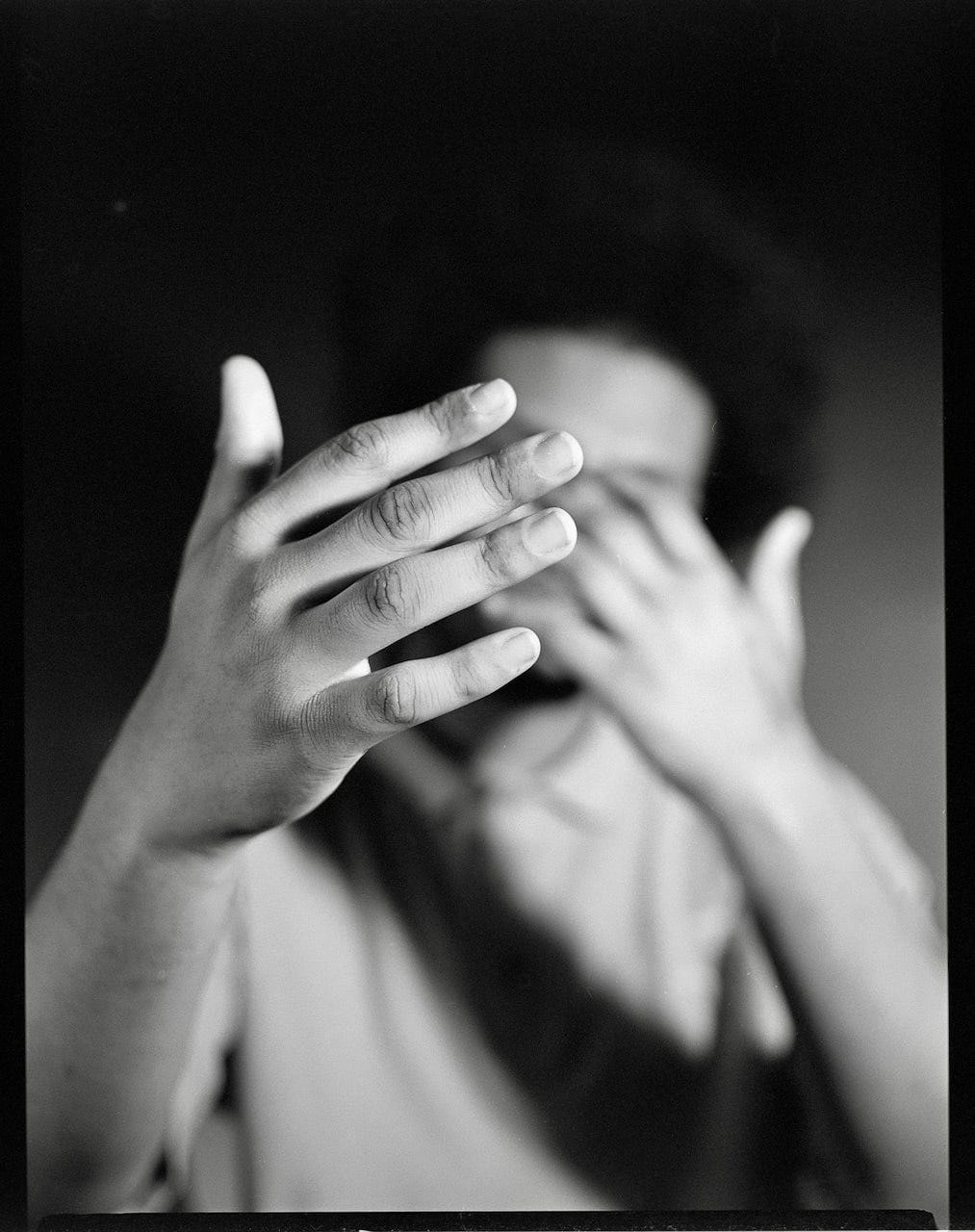
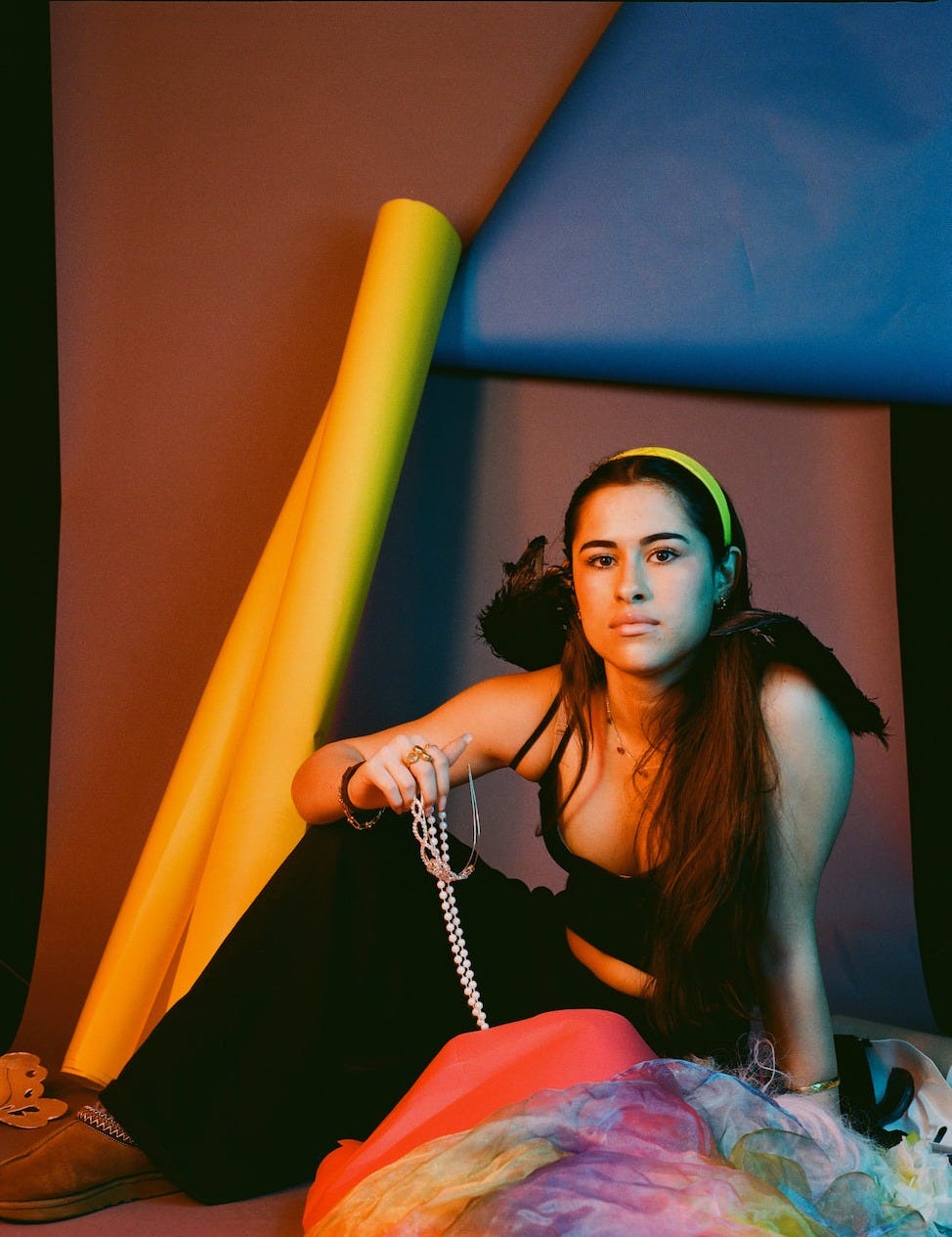
This post is dedicated to my last ever GCSE photography class, my graduating Year 13 class, and to all the young people who have found a home in photography, of whatever size. Some of their pictures are reproduced below.
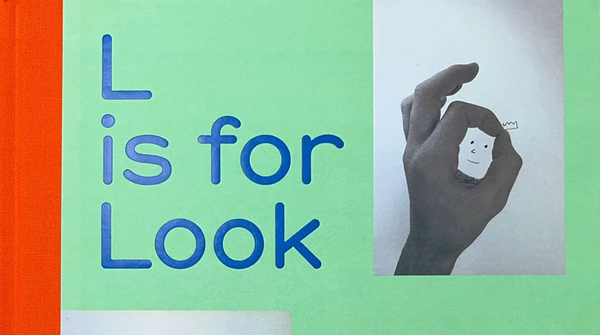
My eldest’s friend, India, bought me a book not long ago entitled Teaching for people who prefer not to teach. She thought I might like it.*
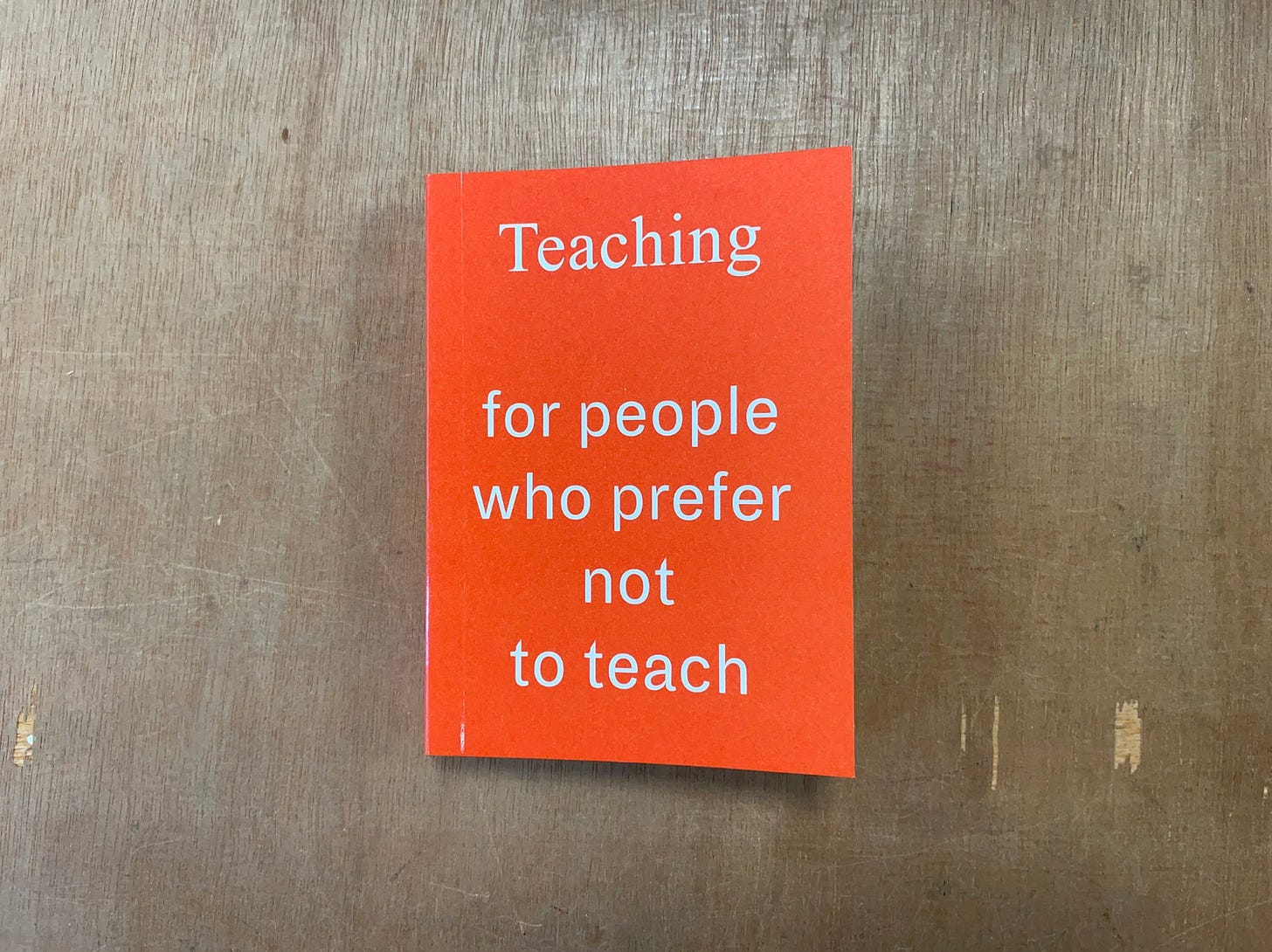
I only opened it until last night. To be honest, I was a bit put off by the title. I have preferred to teach for thirty-five years and I (mostly) love it. It seemed to be one of those books that is a bit snooty about teaching and teachers, viewing us as little more than spirit-crushers and agents of repressive, state-sponsored pedagogies.† I’ve come across this attitude in the context of art education in galleries. Artists, who run education workshops, often want to distance themselves from school-based education. They seem to struggle with the notion of being ‘teachers’, preferring something less official-sounding or potentially authoritarian: animateur, workshop facilitator, that sort of thing. Too cool for school?‡
True to form, this little red book begins with an early 1970s quotation from its radical older sibling:
If everybody dared to be honest with each other all the time, our present school system would collapse very rapidly.
— The Little Red Schoolbook §
However, rather than offer a coordinated set of carefully considered strategies for taking on The System, the authors of this modest volume accept that they have simply published “a messy collection of ideas.” It was created by artists who have found themselves sometimes ‘teaching’, amongst the many activities required to survive employment precarity. They say that they are “angry” about contemporary education but they’re not sure exactly who the book is for. What happens, they say, if you don’t give students “the standard slide show”? What happens if you don’t “deliver”?
We believe in letting things go so wrong that thinking about them ten years later still makes our stomachs hurt.
— Miriam Bayerdoefer and Rosalie Schweiker
Blimey. How wrong can things go?
This book then is a set of provocations, designed to undermine neoliberal, accountability-obsessed, standardised education practices.‖ It’s a bit anarchic and not entirely serious. It’s not unlike John Baldessari’s Post Studio Art: Class Assignments (optional) from 1970.
Some of the provocations are very silly indeed:
The teacher hides in the school grounds / As soon as the teacher is found, the lesson starts / Repeat weekly / HIDE AND SEEK
Some are intriguing, disruptive and potentially useful:
Come up with different grading system as a group / Write down criteria / Grade each other’s work / Add written evaluations if it seems a fun thing to do / BACK TO NATURE
or
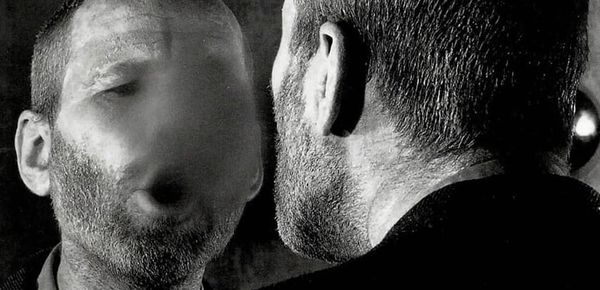
Don’t start the class / Listen to the students chatting / See what happens / WHO BLINKS FIRST
Some are just dull:
Pull names from a hat / Write about each other’s work / MAGIC TRICK
However, I found the spirit of the book strangely refreshing. Despite the often puerile or petulant nature of some of the provocations, they caused me to reflect on my own attitude to teaching. If you’ve been doing the job a long time (like me), there’s always the risk of lapsing into a Blue Peter style “Here’s one I made earlier” approach.¶ And if you’re new to the profession, you may find yourself having to work with resources you haven’t made yourself, that aren’t very inspiring (another Pop Art project anyone?) including visually illiterate Powerpoint presentations.
How do we resist the urge to settle into familiar patterns and processes? How do we keep our classroom practice fresh and interesting?
I think we would do well to adopt the spirit of play that runs through this little red book. Even if the suggested activities are a bit bonkers, they can surely inspire some new ways of thinking about our relationships, our furniture, our walls and sense of humour, alongside the schemes of work we may be required to teach. The way we teach the visual arts should mirror artistic ways of making, being and doing and once you’ve closed your classroom door, anything can happen.** Teaching doesn’t have to be routine, rule-bound or entirely predictable.††


For example, here are some things I’m willing to try in the new academic year.‡‡ I don’t see a conflict between good teaching and strategies more familiar to contemporary artists. I may create my own little red book entitled Teaching for people who prefer to teach:
- Re-arrange the furniture, thinking carefully about how it helps to choreograph students’ behaviour and actions. Use tables as gallery walls. Turn things upside down. Remove all chairs. IKEBANA
- Some students write captions for imaginary photographs. Other students make photographs. Match photos to captions. COPY & PASTE
- Assign specific letters of the alphabet to the students. They research and write down a photographic term beginning with each letter. They photograph each other, making letters of the alphabet with their bodies (typophoto). Design a class glossary featuring the typophotos. A to Z
- Pair up and give each other a simple photography task e.g. photograph some rubbish. You have 15 minutes to accomplish the task. Bring back proof. TASKS
- During a two hour lesson, ask each student in turn to make a photo and print it. Give each photo to the next student. Ask them to respond to the photo they’ve been given by making another photo. Continue until all students have taken part. PING PONG
- Ask students to choose a photograph on their phone that communicates something important about them. Display selected images on phone screens side by side. CLOUD
- You have 15 minutes to photograph someone you’ve never met before. LOCAL
- Everyone picks a song to make into a playlist. Play the group’s music during the lesson. DJ
- Make your own playdough. Sculpt your worst fear. Photograph it. PHOTOSCULPTURE
- Using a few magazines, students cut out pictures and/or words that interest them. Make a group collage. READER’S DIGEST
- Make an advert for a future lesson. ADVERTISING
- Exchange one item of clothing with each other at the start of the lesson. Wear new items during the lesson. UNIFORM
- In the first term, rearrange the seating order repeatedly, according to zodiac sign, age, colour of hair, number of siblings etc. PATTERNS
- Bring a photograph you’ve taken of a photograph. Only those with photographs of photographs are allowed into the lesson. PASSPORT
There’s nothing very radical here. I’m not asking them to smear their feet with mustard or go busking.§§ There’s just enough nonsense to nudge me out of my comfort zone. I’m sure I’ll think of some more of my own activities as the year progresses.
I’ll be teaching two groups of A-level photographers in Years 12 and 13. Some of the students know me already, but others don’t. Regardless, I’m sure they all expect me to behave in a certain way. I’m the wrong side of sixty and semi-retired. Too much frivolity can be irksome, but a dash of irreverence never hurt anyone and the role of surprise and delight in education is vastly under-rated.
Can I still surprise my students? Will they be delighted? Let’s see.

Thanks for reading PhotoPedagogy! Subscribe for free to receive new posts.
These posts will always be free but, if you enjoy reading them, you can support my analogue photography habit, and that of my students, by contributing to the film fund. Thanks to those of you who have already done so. All donations of whatever size are very gratefully received.
*I wonder why? Do I look like someone who would prefer not to teach?
† I suppose, by now, I should be used to the negative press given to schools and teachers.
‡ To be clear, I have met some fantastic artist educators over the years and not all of them have been uncomfortable with the notion of ‘teaching’. I also encounter this attitude from some university educators who tell their first year students to forget everything they have learned about the visual arts at school. School art isn’t proper art, apparently.
§ https://en.wikipedia.org/wiki/The_Little_Red_Schoolbook
‖ I don’t have much experience of what goes on in higher education but it sounds like things aren’t that different to the secondary school sector.
¶
I wonder if John Noakes really did make those things earlier?
** I realise the surveillance culture in some schools is strengthened by transparent walls and patrolling members of the senior team. You could post a lookout!
†† I’m not advocating for total anarchy in the classroom. I think schools and teachers are important because they provide young people with powerful knowledge. I love a routine and I’m fairly predictable, but I’m certain that there is also room for a little more surprise and delight, at least in my own practice.
‡‡ All of these ideas have been inspired by and/or adapted from activities in the little red book.
§§ Both of these activities and many more just as bonkers can be found in Teaching for people who prefer not to teach.