Peace Photography Postscript
Imagining and Imaging peace with Post 16 photographers.

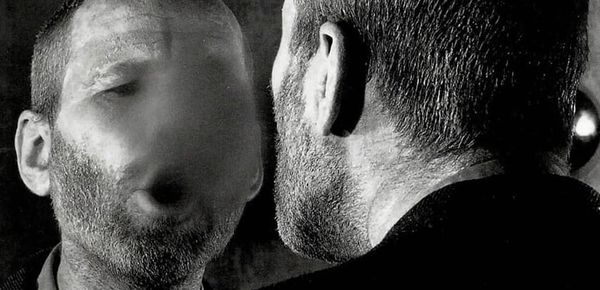
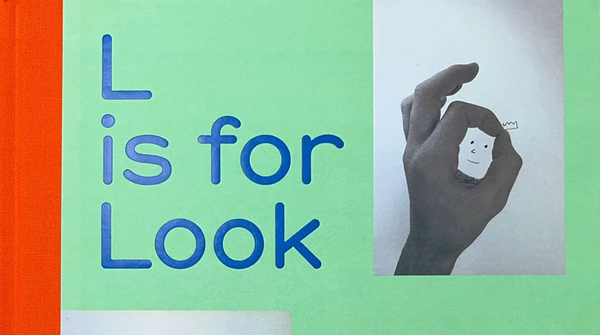
You may remember that I recently wrote about a wonderful exhibition, and related resource, on Peace Photography.
 Jon Nicholls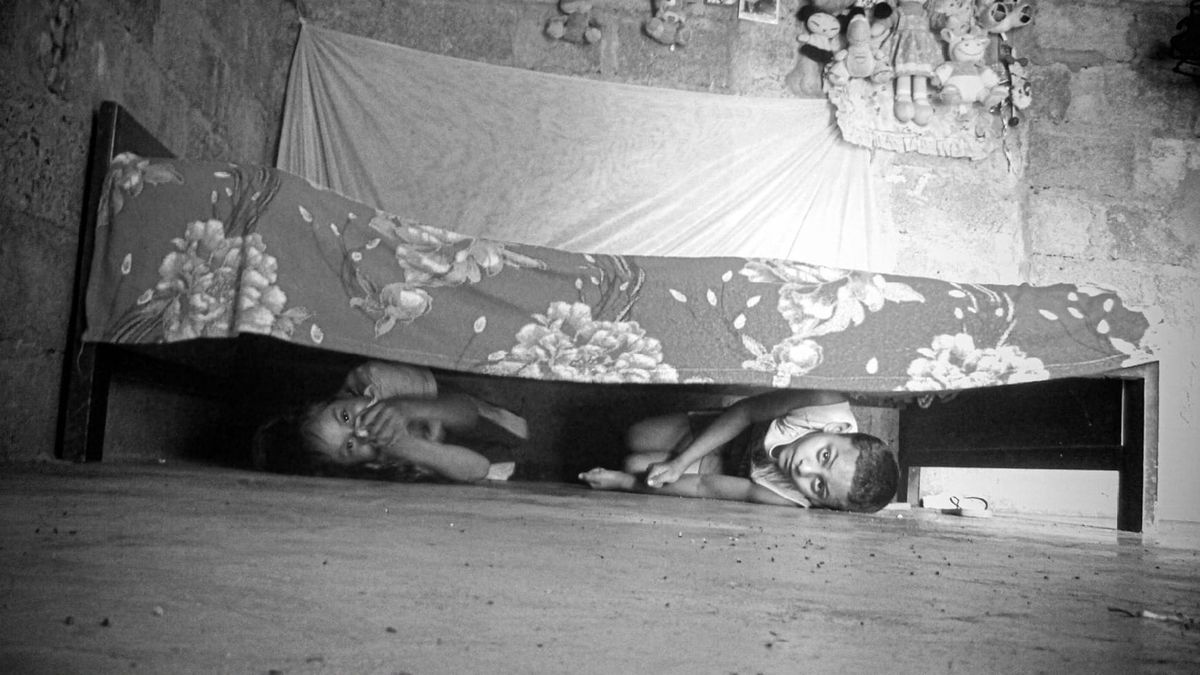
Jointly curated by Tiffany Fairey and Ingrid Guyon, the exhibition and guide explore the genre of Peace Photography as a recognised set of practices with conventions and methodologies, accompanied by a rich assortment of exemplar projects from around the world.
Having spoken to Tiffany and reviewed the exhibition, I decided to take my Year 12 photographers to see it and spend an afternoon attempting to make peace photographs. This turned out to be easier said than done.
I did have an ulterior motive. In the last week of the summer term, my school has a Community Day. It’s one of three such days throughout the year. Students are off timetable, organised for this one into vertical, mixed age groups (Years 7 to 12), and based in subject areas. Each discipline responds to the elected theme. This year it’s Tallis Activism: Celebrating our mission to change the world for the better.1 The photography department has chosen Peace Photography as its theme for the day. Some of the Year 12 photographers will be joining in, supporting the younger students, so it seemed sensible to involve them in researching the topic and gaining some experience of the process of making peace photographs, rather than just throwing them in at the deep end.†
We spent a double lesson having a careful think together about what peace photography might entail. What is it and how do you do it? The guide really helped us identify issues and challenges, understand some of peace photography’s distinguishing characteristics and begin to imagine strategies for making appropriate images.‡ We talked a fair bit about our relatively privileged situation - living and working in a peaceful place. Do we take this peace for granted? Almost certainly.
However, we also discussed some of the stresses and strains of contemporary life, especially for young people. We may have no direct, personal experience of violent conflict, but some members of our families have and no-one is completely immune from mental health challenges or physical ailments. We could all remember times when we felt less than peaceful.
Part of the argument for a better popular understanding of peace photography is that by imagining and imaging peace, individuals and communities stand a better chance of experiencing, valuing and protecting it.
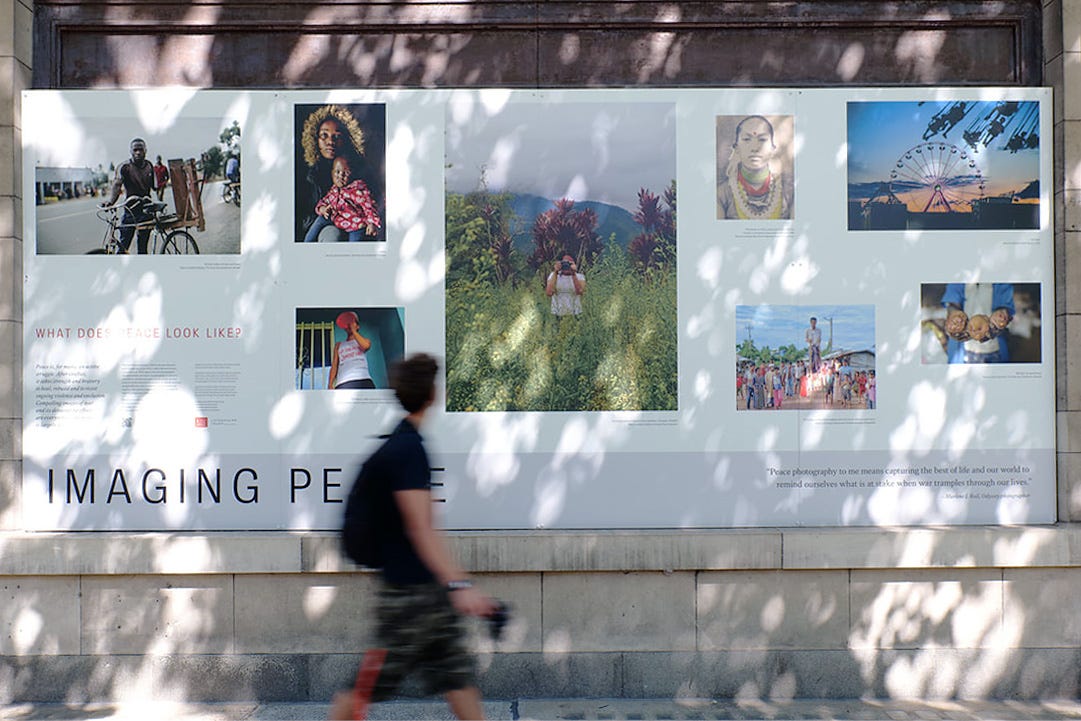
The first part of the trip involved a visit to the exhibition at the foot of Bush House. It was a beautifully sunny day and I encouraged the students to document the exhibition carefully, paying attention to its physical location and relationship to the new pedestrian area nearby.
We talked about the challenges of making peace photographs. Images of peace on the Internet are almost entirely clichéd. Peace is a relatively abstract concept, hard to grasp; almost invisible. It’s everywhere and nowhere simultaneously. We recognise it most vividly when we experience its opposite. It’s defined by what it’s not. And yet it’s something we all need for a healthy, creative and fulfilling life. It’s essential for human flourishing.
But how to depict it without resorting to fluffy kittens and smiley faces?
“A photography of peace requires imagination on the part of the photographer and it requests imagination on the part of the viewers.” — Frank Möller
That morning, I’d made some hasty notes for myself, which I subsequently sent to the group:
Peace is hard to see - most of us take it for granted. How do you view peace if you have (or don’t have) experience of war or conflict?
Who feels at peace? Modern life is stressful and anxiety-inducing.
Peace clichés and symbols - doves, hearts, flowers, sunrises, holding hands, CND logo etc.
What is enabled by/through peace? What can’t you experience in war/conflict?
E.g. Freedom of movement, control of time, enough to eat and drink, warmth, a home, culture and recreation, community, care and neighbourliness, being bored or experiencing mundanity, the everyday, a feeling of safety and security, hope for the future etc.
What is threatened by war?
E.g. Institutions, infrastructure, architecture, borders, bodies, food supplies, education, freedom, life etc.
Peace Photography might encourage those who live in peaceful places to ‘see’ it, appreciate it and care more for it (in order to preserve it).
How do you photograph something that is not easily ‘seen’? How do you avoid visual clichés?
Consider:How you use your bodyWhere you choose to lookYour physical proximity to the subjectYour control of light (and shade)The composition/balance of your images etc.Abstraction (i.e. non-literal depictions) - patterns, rhythms, textures, shapes, forms, colours/tones etc.
Think about how you photograph as well as what subjects you choose. How can you suggest the qualities of peacefulness in the way you work?
We split up into smaller groups and began our quest, with an arrangement to meet a little later at The Photographers’ Gallery.§
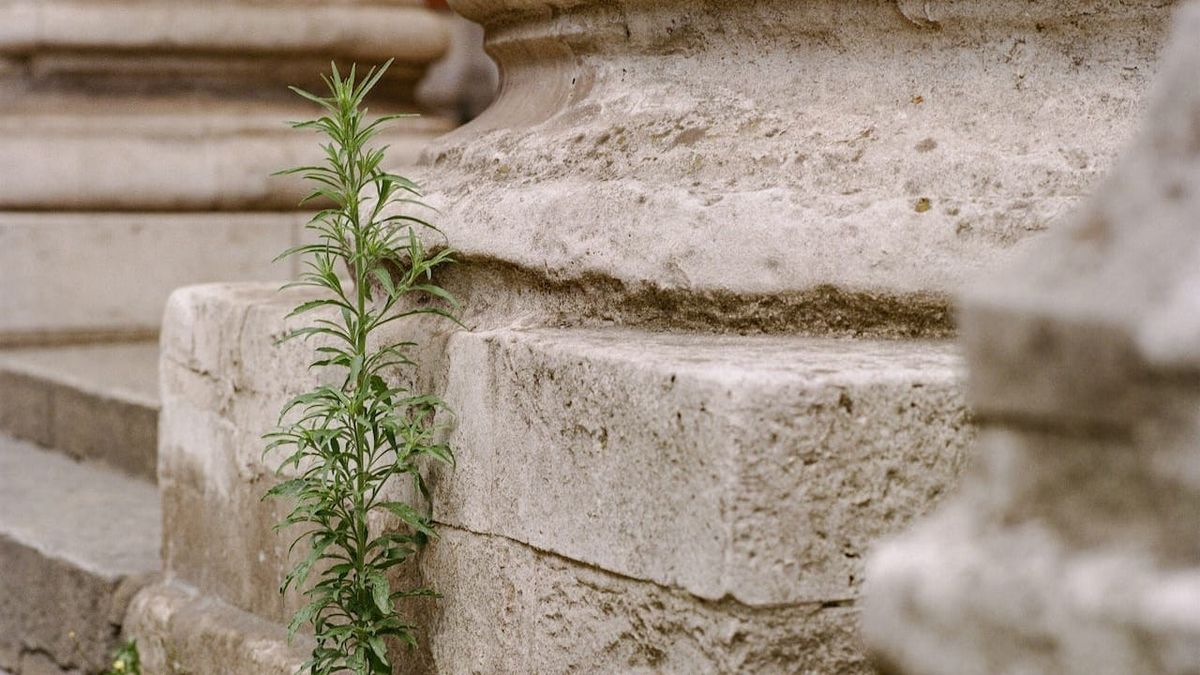
I’d brought a medium format camera and some colour film so decided I too would attempt to make some photographs of peace. Not surprisingly, I found this really hard. I made a few images in central London, on the day of the trip, and then spent an afternoon in south east London, near where I live, making a few more. I was thinking about the things we take for granted in peacetime - everydayness, relaxation, community, travel, safety - and metaphors for resilience, growth and stability - buildings, institutions, nature (especially weeds). I thought a lot about the fragility of peace and the privilege of taking time to ‘see’ it.
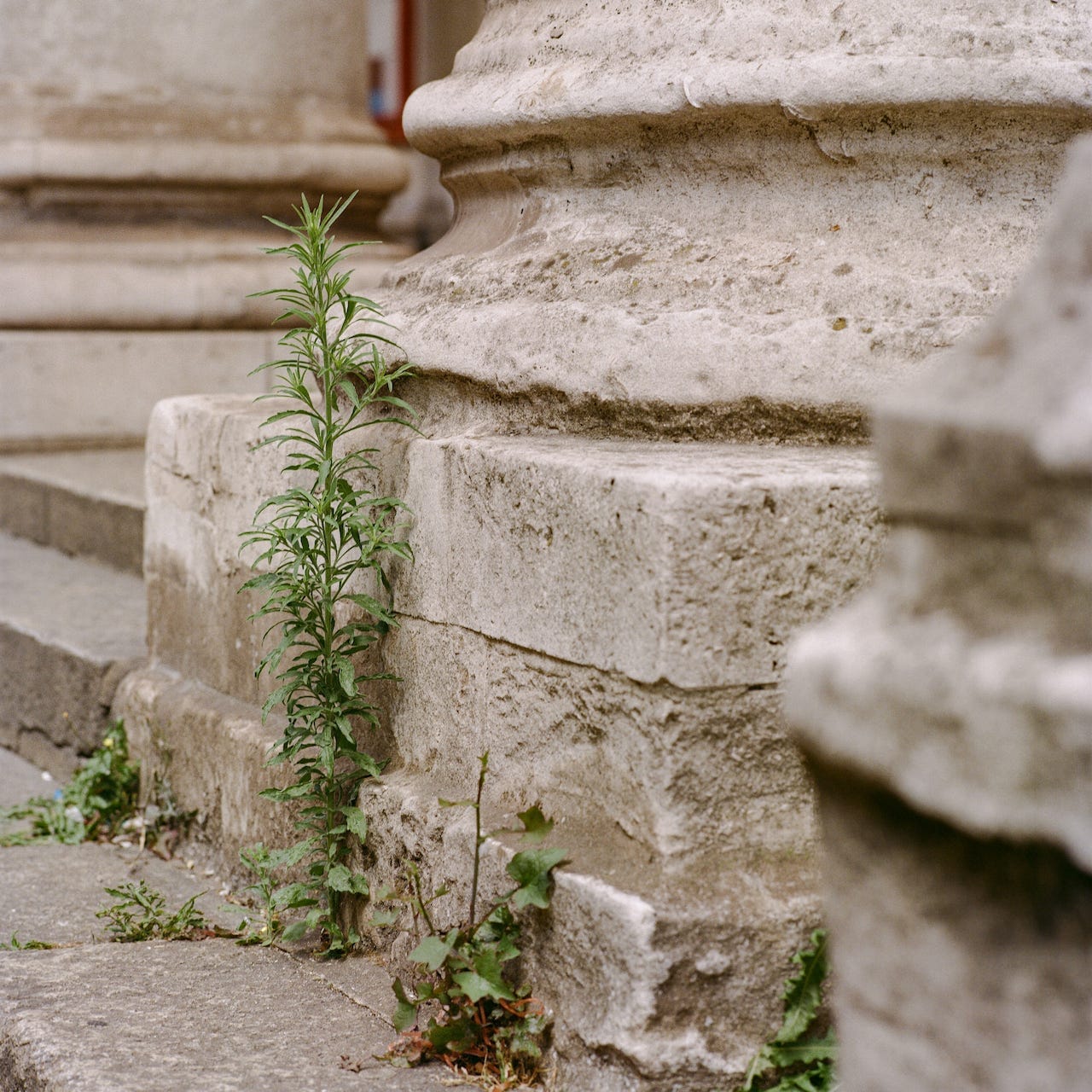
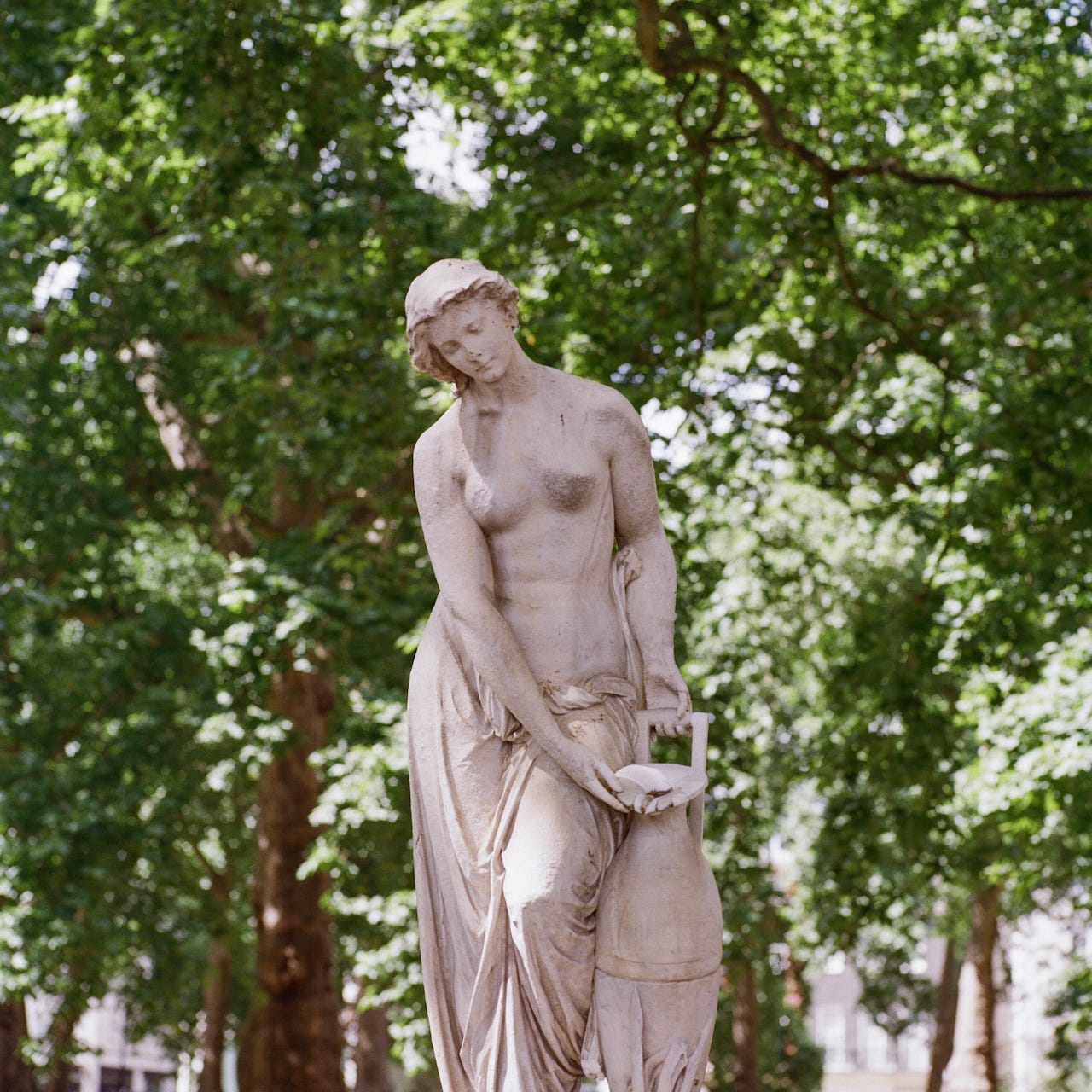
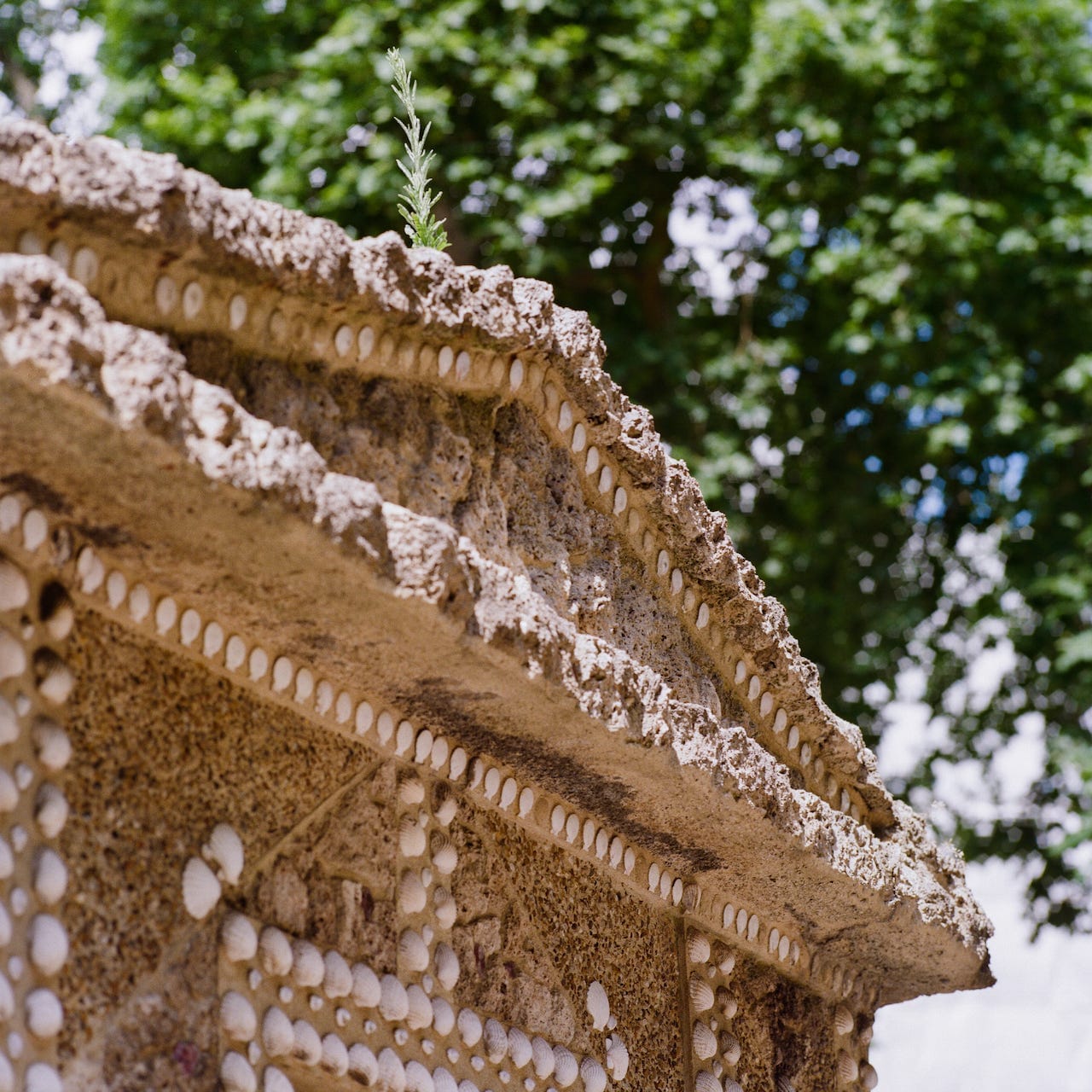
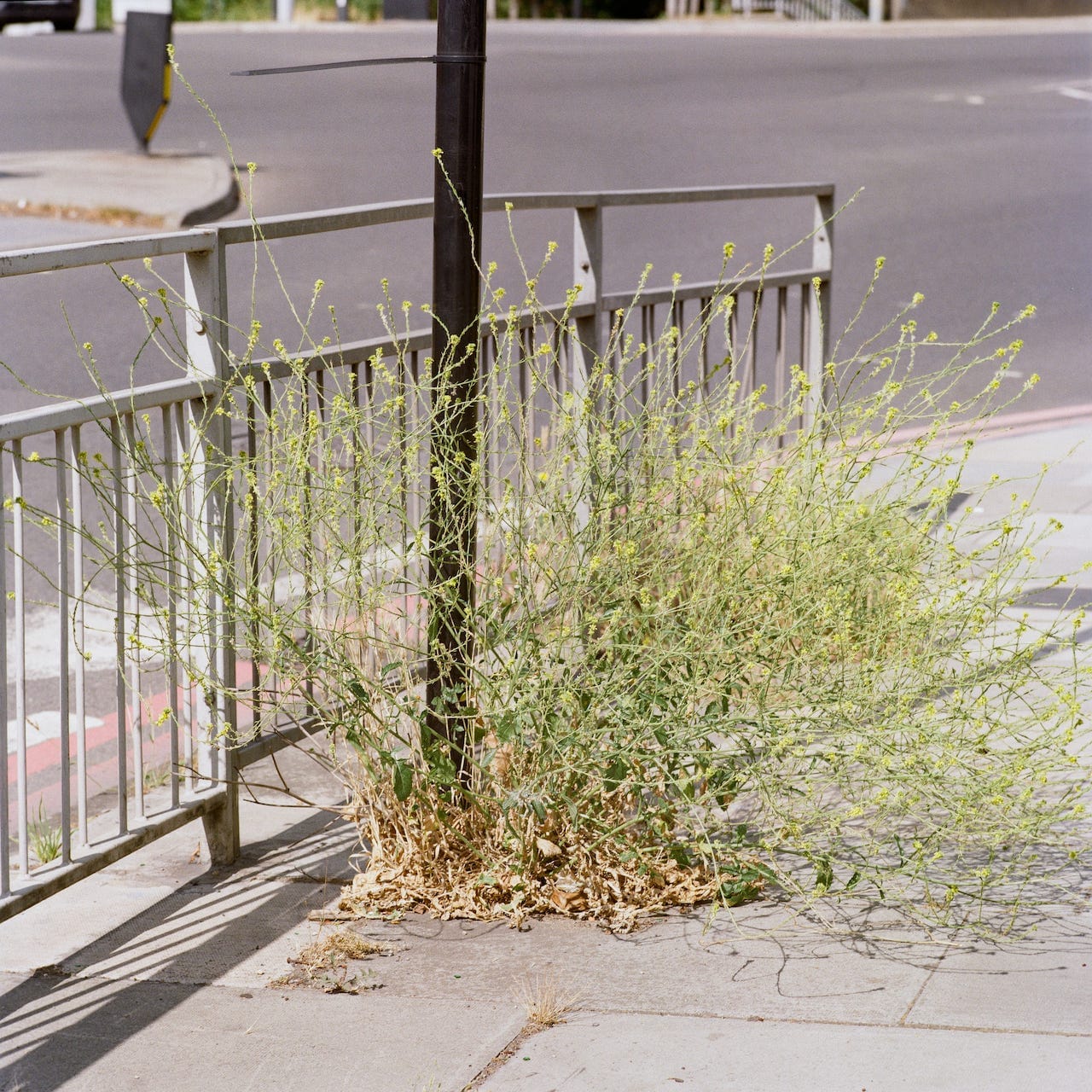
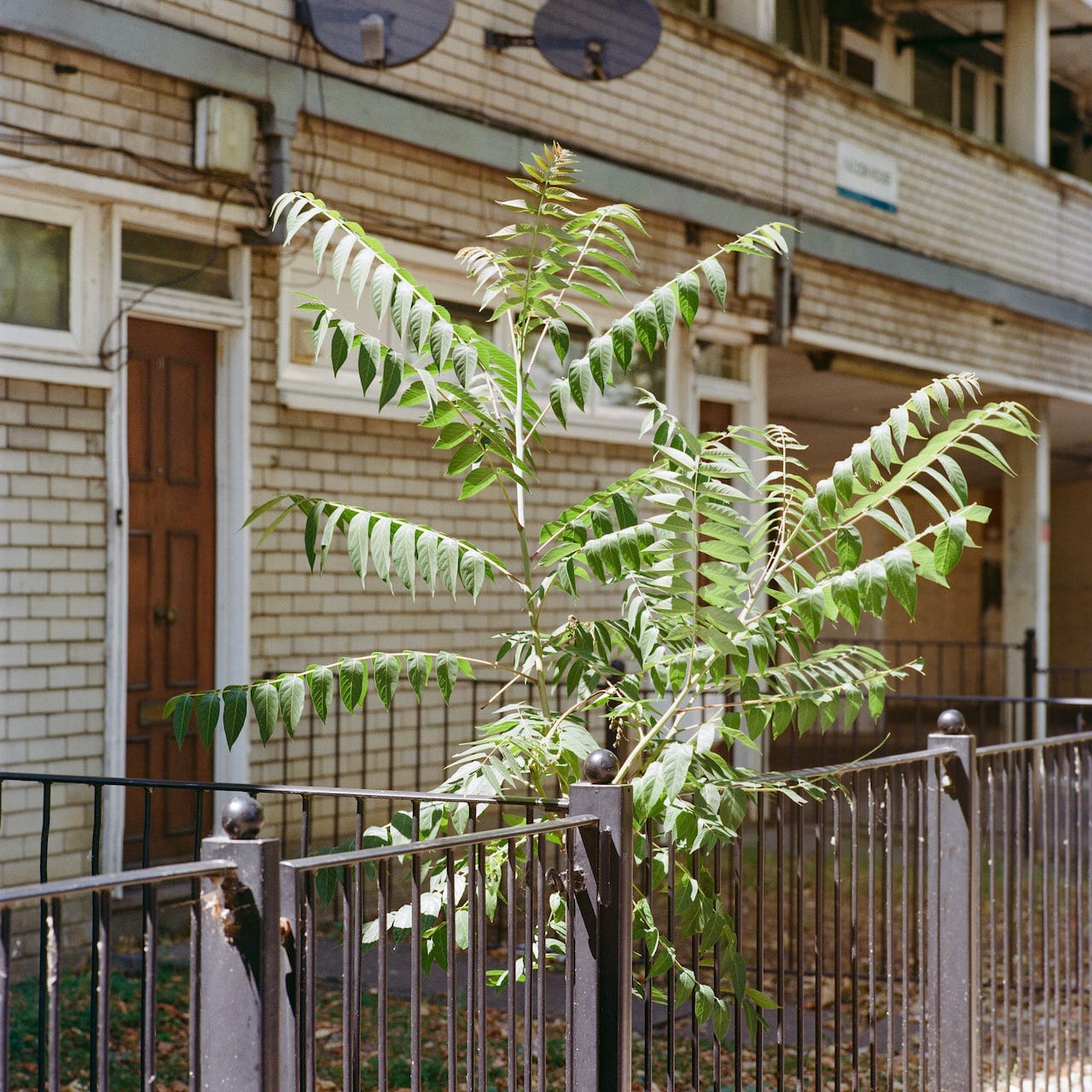
Jon Nicholls - Peace Photographs, 2025
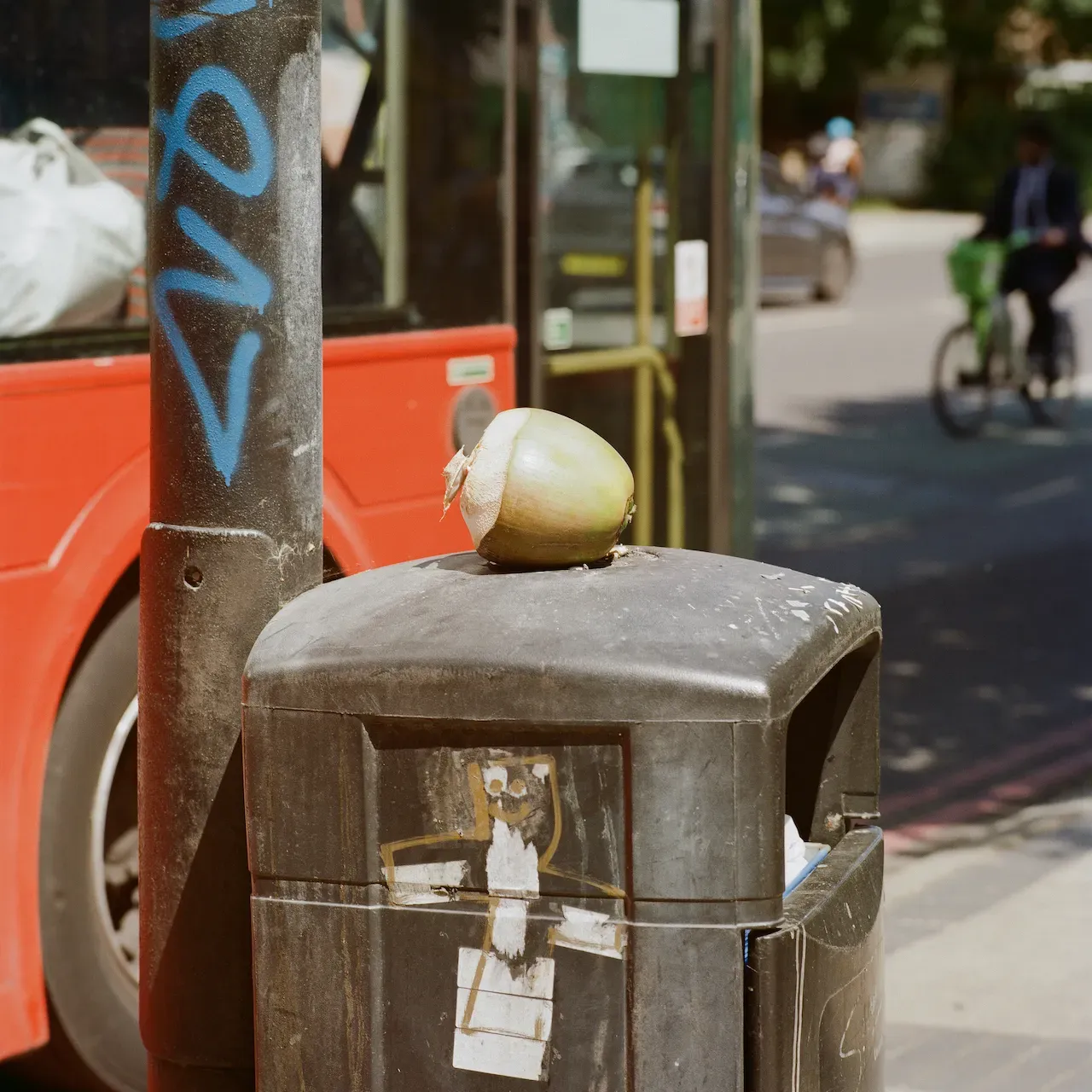
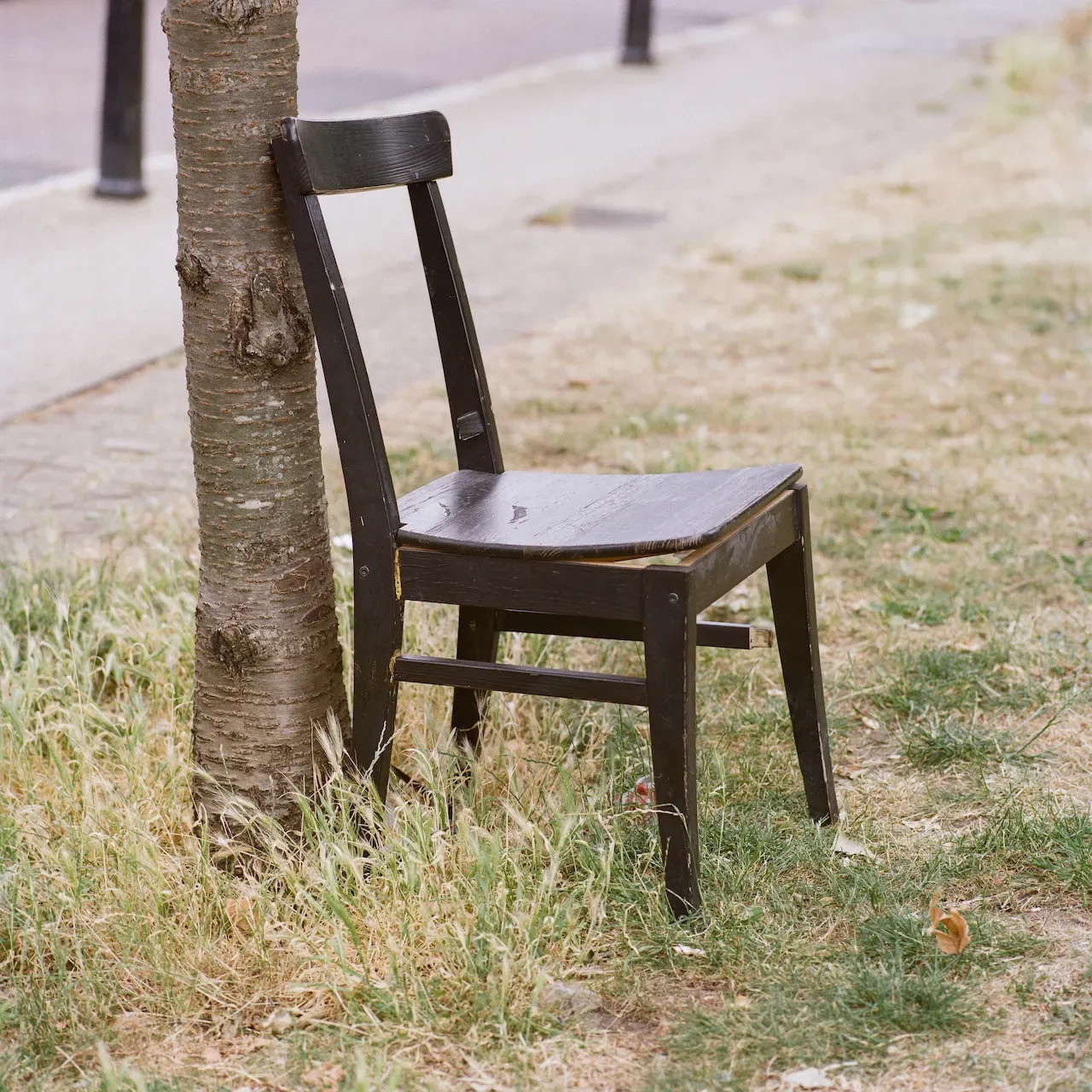
Jon Nicholls - Peace Photographs, 2025
I’m not really sure how I feel about these images. Do they suggest or evoke peacefulness? Are they unhelpfully banal, just pictures of stuff? Are peace photographs only useful in post-conflict situations, as therapeutic and community-building tools? Can they help shape our understand of and feelings about peace?Spending a couple of days making photographs, whilst also thinking explicitly about the value of peace, was certainly a novel and unusually challenging activity, one I can heartily recommend.
It’s been interesting to see how the students have responded to the challenge. I’m keeping a close eye on their websites for updates. I’m also excited to see how younger students respond on Community Day.
How would you photograph peace?
Why not give it a go and let me know how you get on? I’m sure Tiffany (and her colleagues in the Department of War Studies at King’s College London) would be fascinated to see the results. You can submit your images via Instagram and potentially see them displayed as part of the exhibition.‖ I’m excited about the new book that’s due to be published later this year.
I sometimes reflect on all the terrible things that photography has done (to people and the planet) and wonder about the ethics of being a photography teacher.¶
Projects like this renew my faith in the whole business.
Thanks for reading PhotoPedagogy! Subscribe for free to receive new posts.
These posts will always be free but, if you enjoy reading them, you can support my analogue photography habit, and that of my students, by contributing to the film fund. Thanks to those of you who have already done so. All donations of whatever size are very gratefully received.
* Thomas Tallis School. Education to understand the world and change it for the better.
† They’re even helping to design the resource, including creative prompts, that we will use on the day.
‡ You can download a free copy of the guide here.
§ To take advantage of the free entry for under 18s and to see the excellent new Dennis Morris retrospective, along with other inspiring exhibitions.
‖ If you and/or your students want to take part, why not consider submitting your photographs of peace to Instagram (@kings_imagingpeace | #ImagingPeace) and see them displayed for the public in the exhibition? See this submission guide for more detailed information.
¶ This blog post was originally published on the PhotoPedagogy website. It is reproduced here, along with Part 2, because I think it’s still relevant to photography education. In fact, given the seemingly inexorable shift to the right in the political realm, perhaps it’s more relevant than ever.